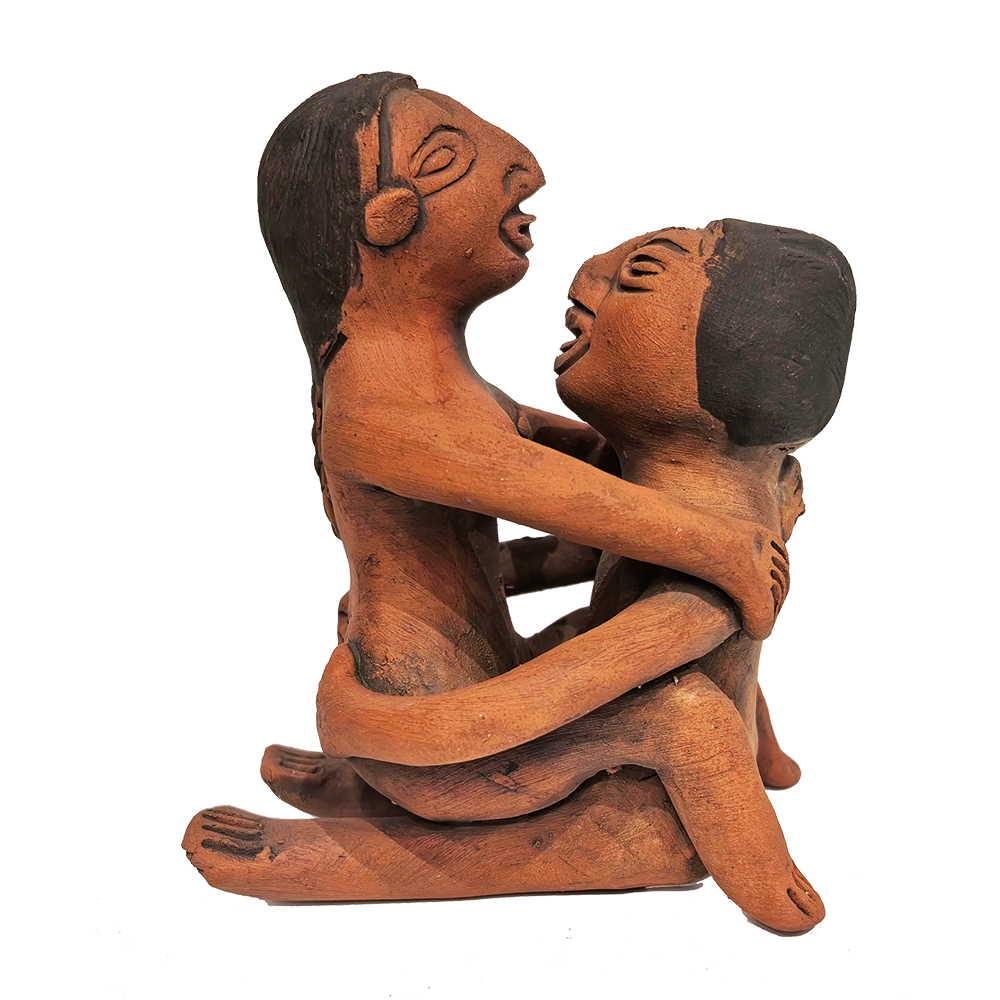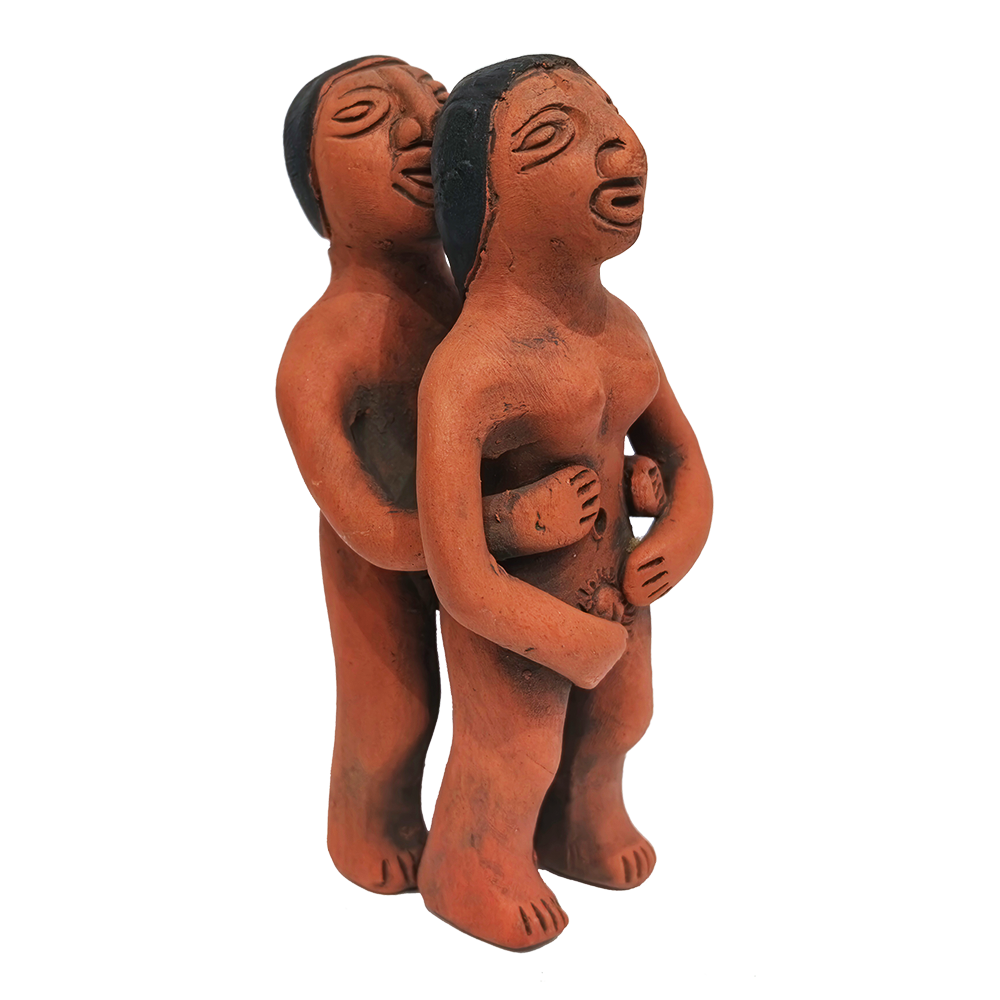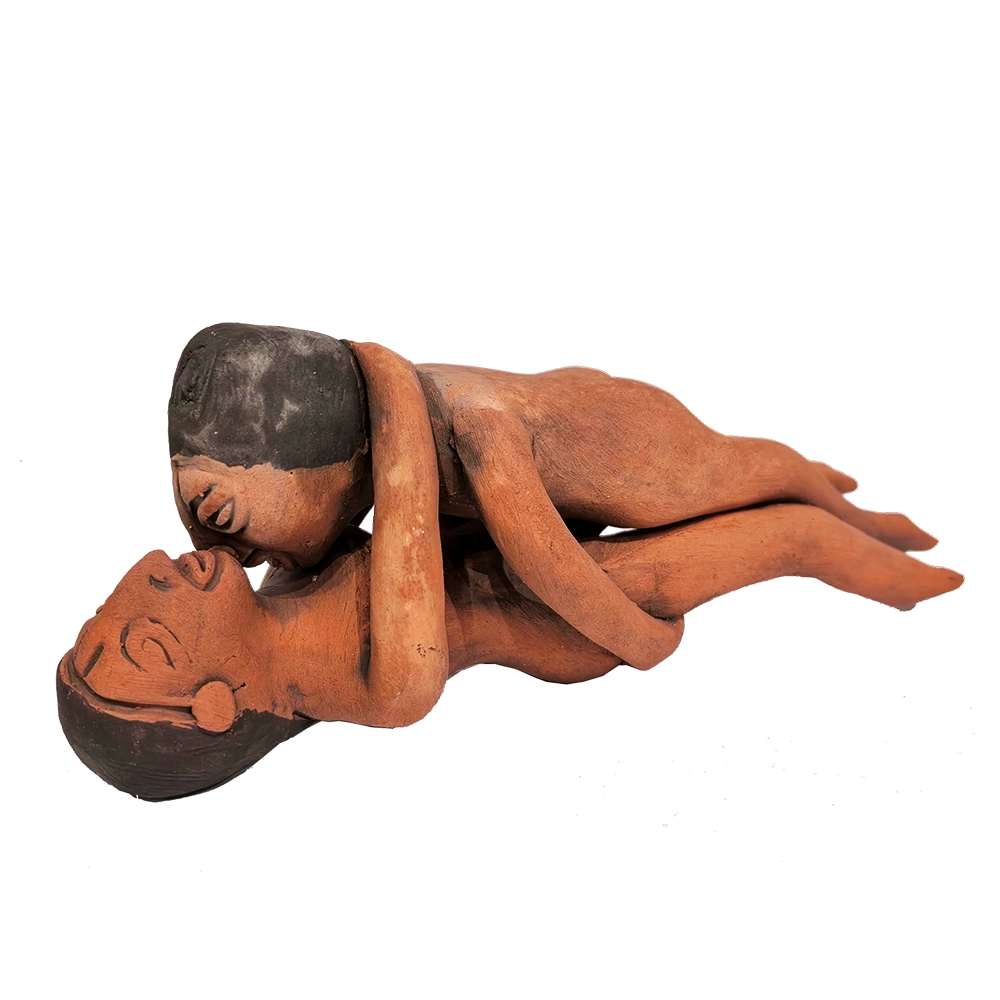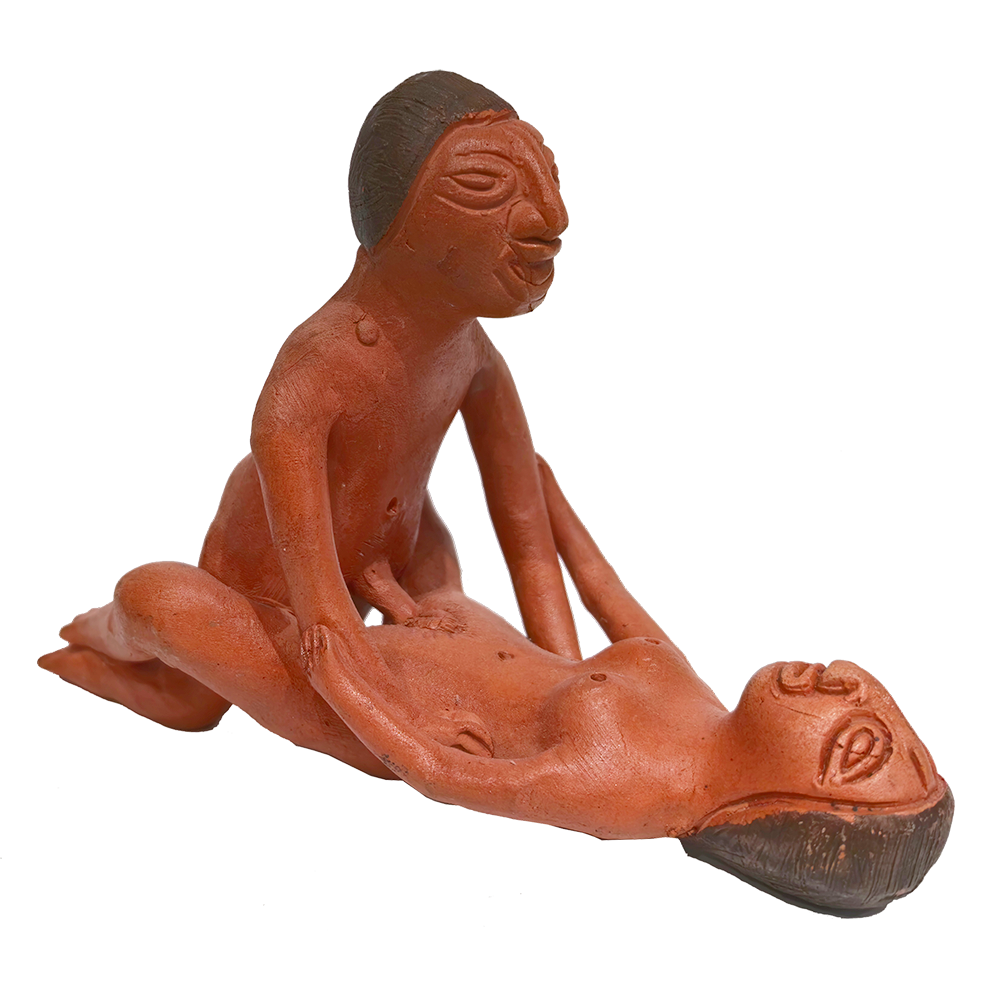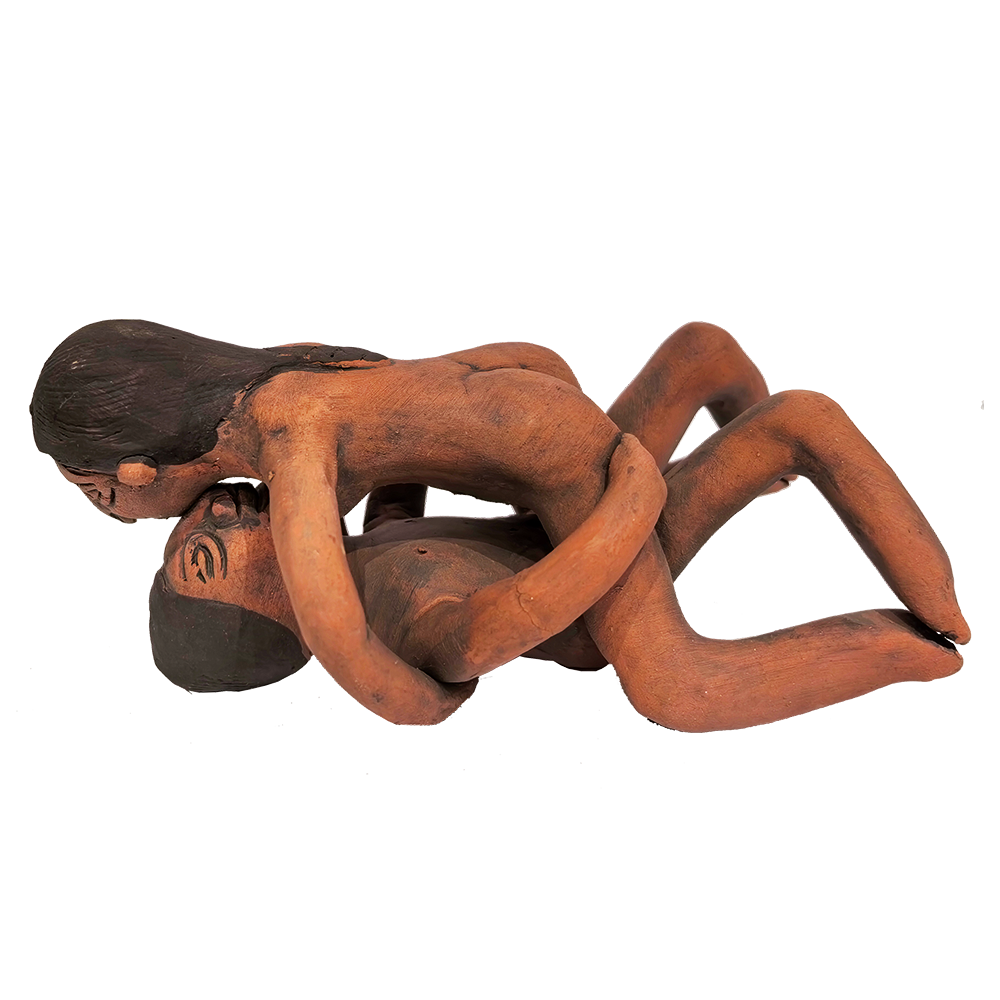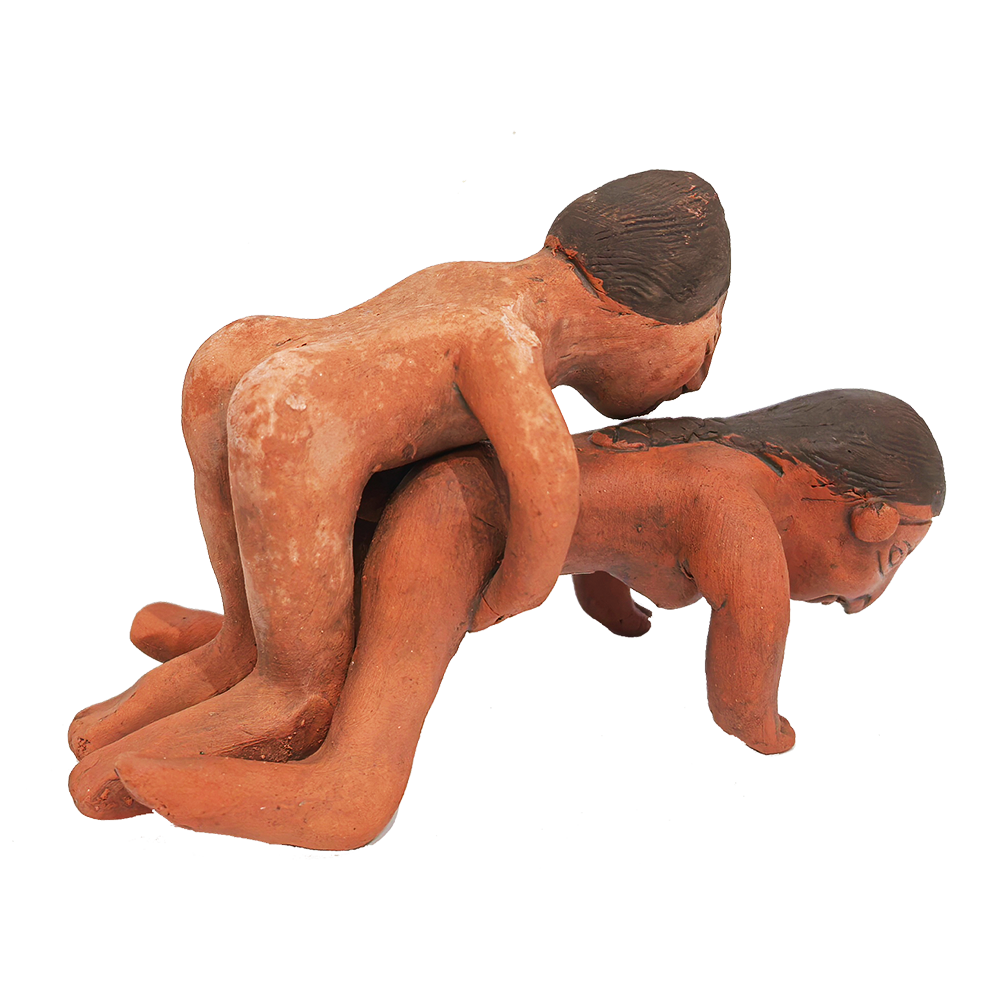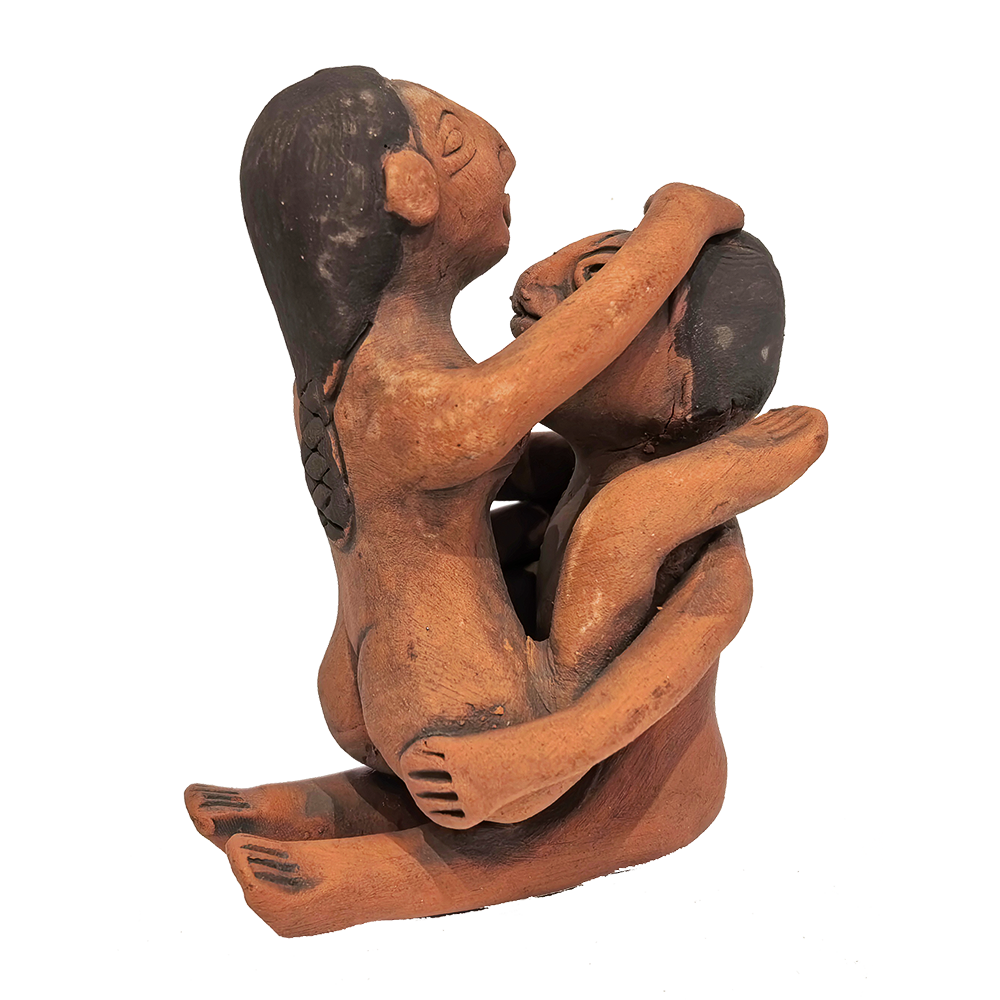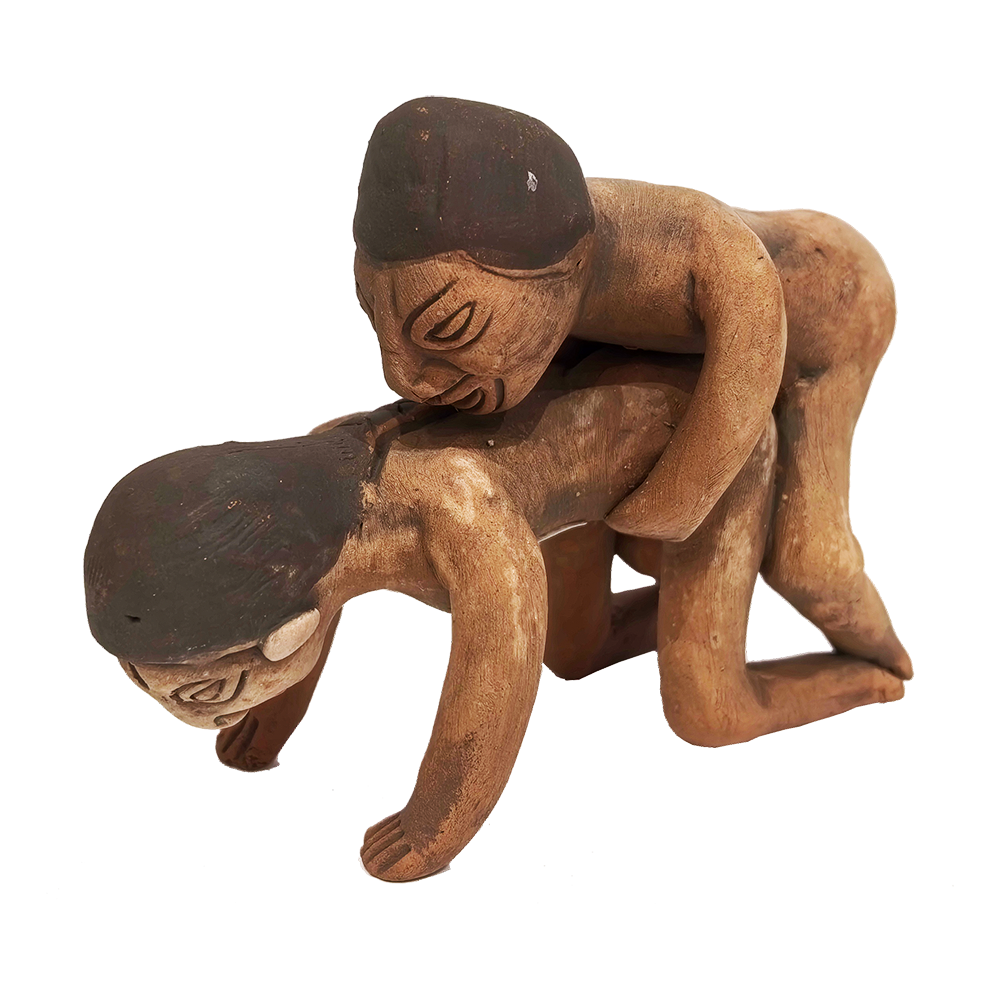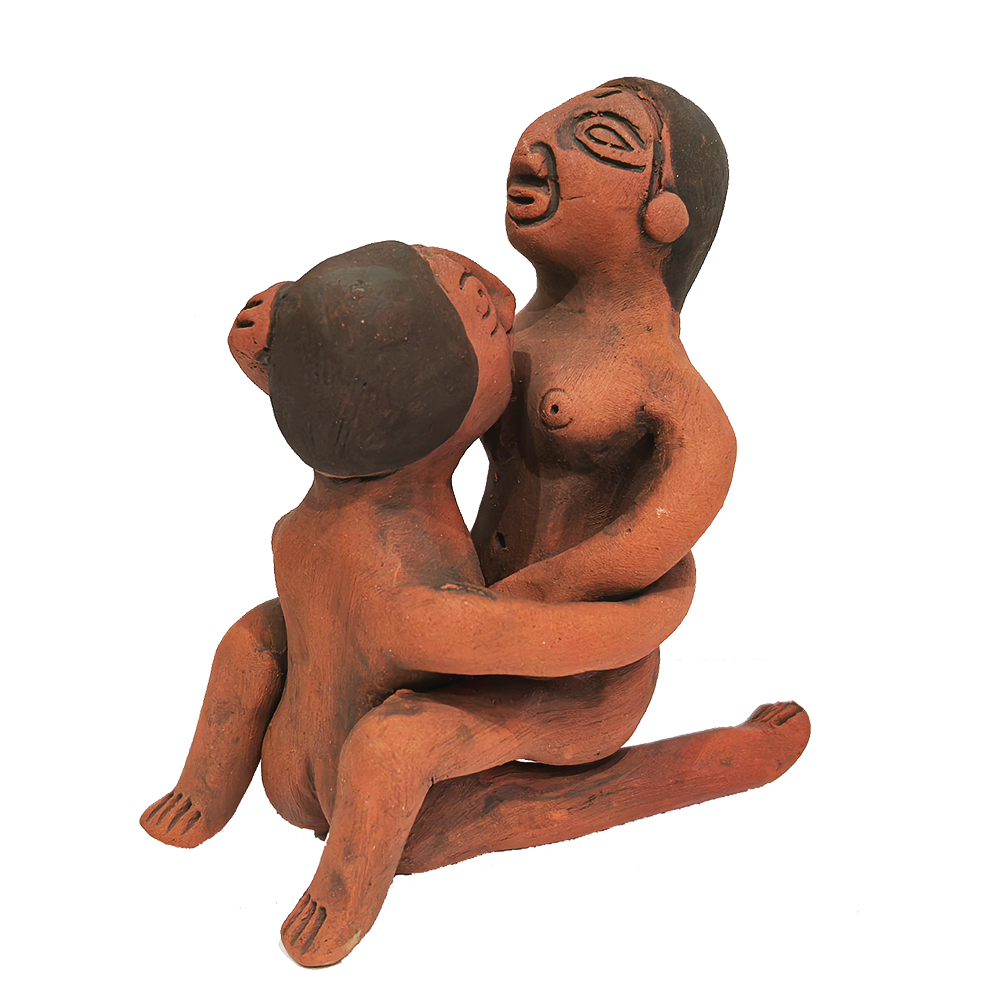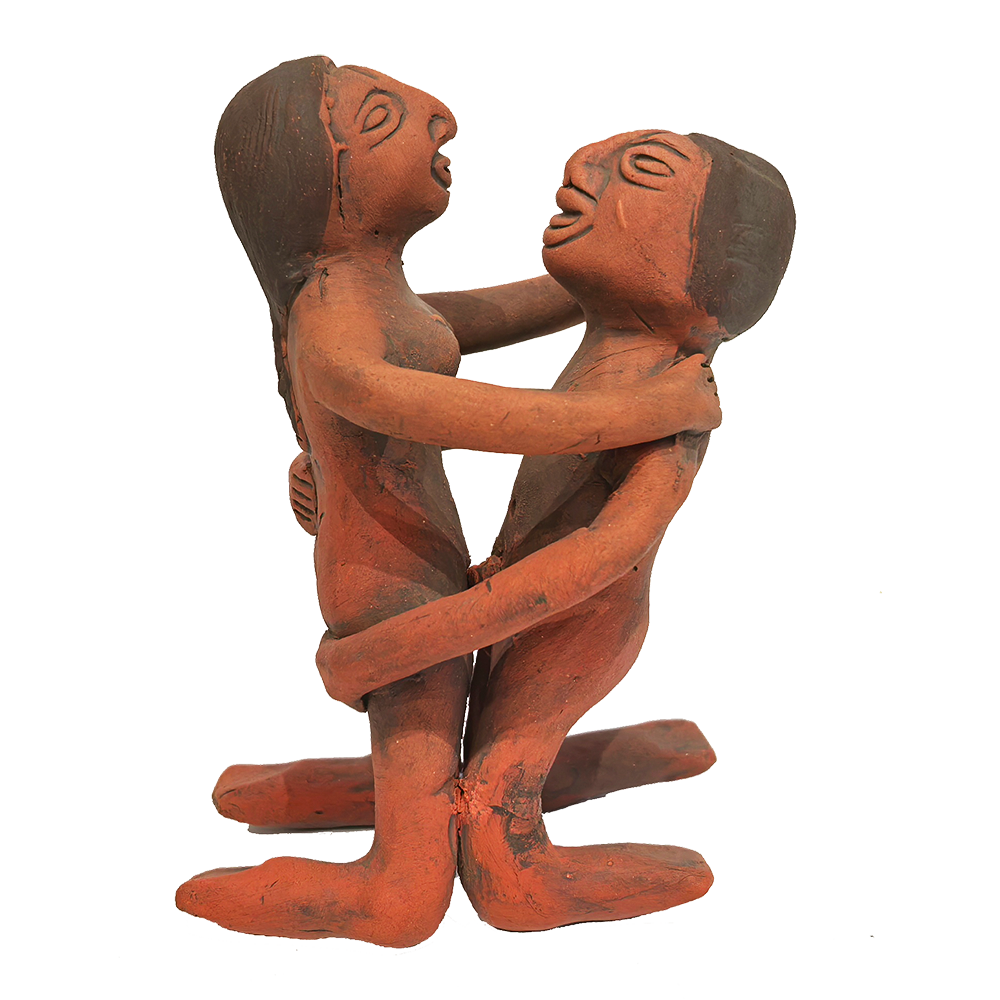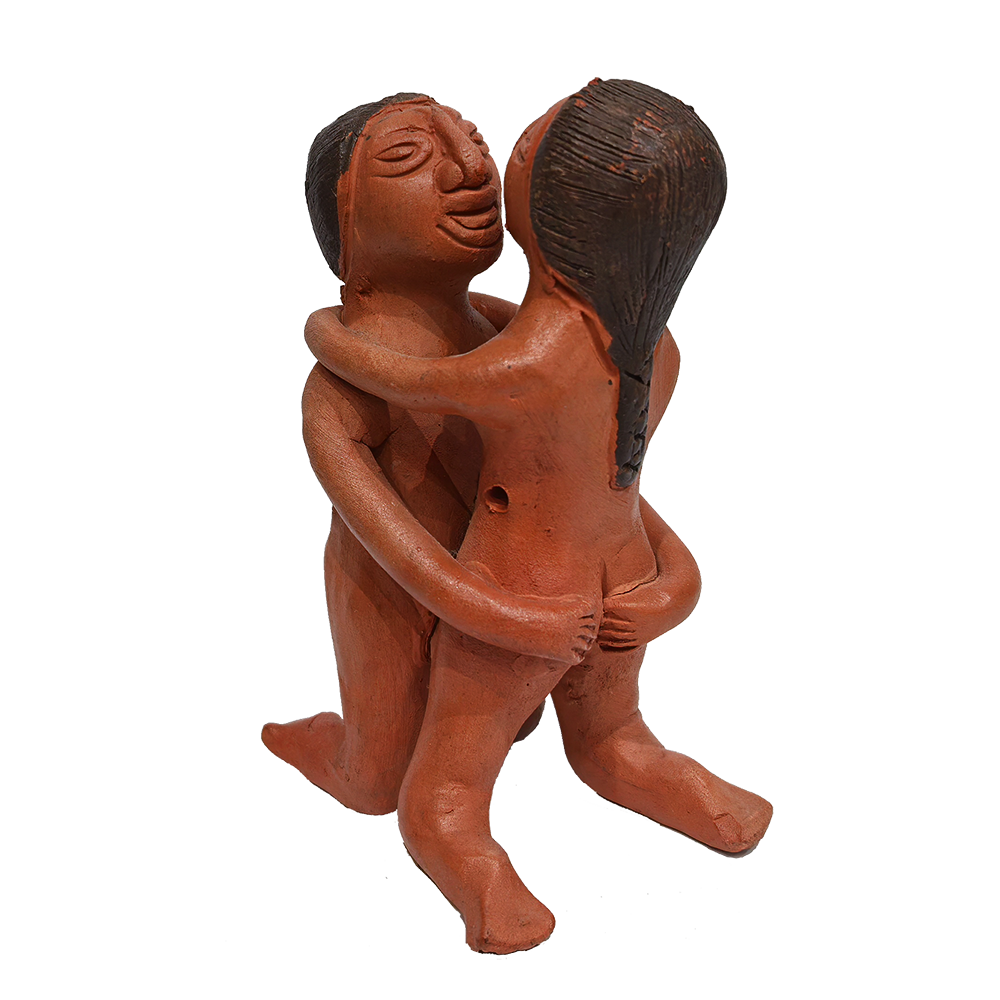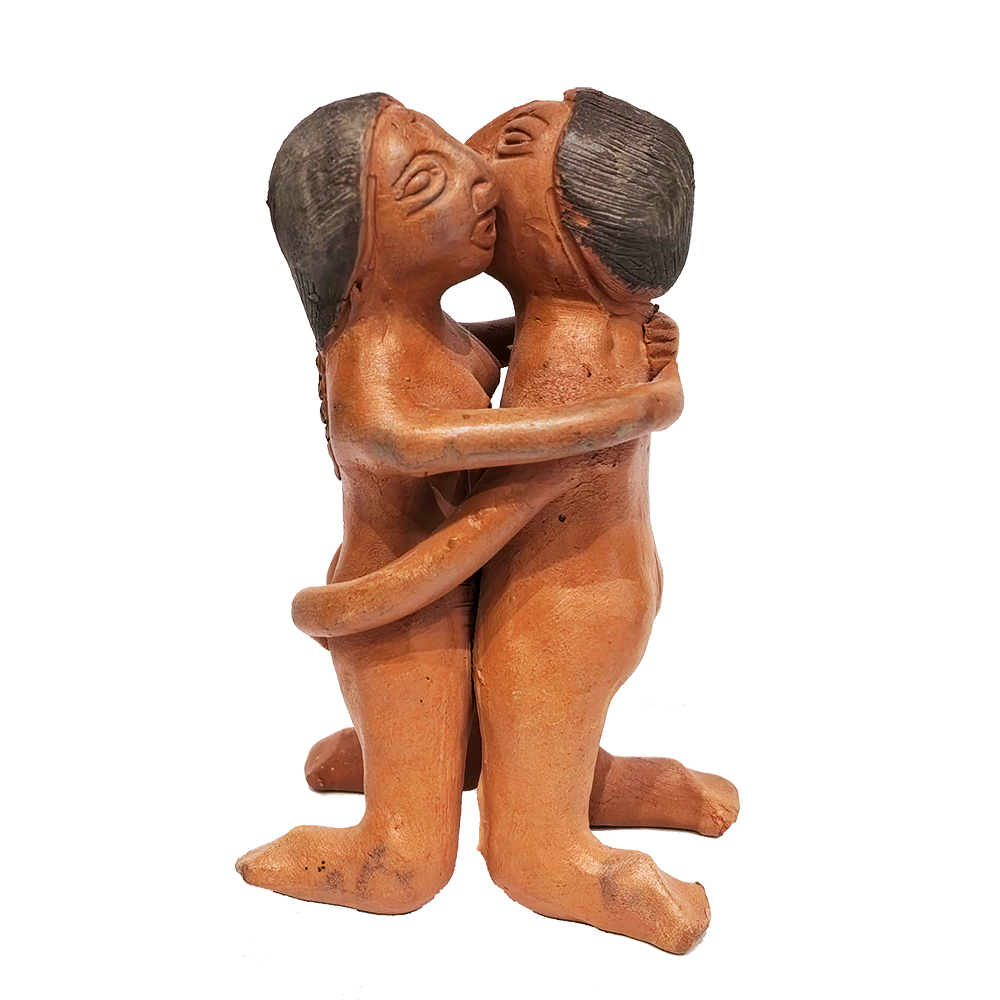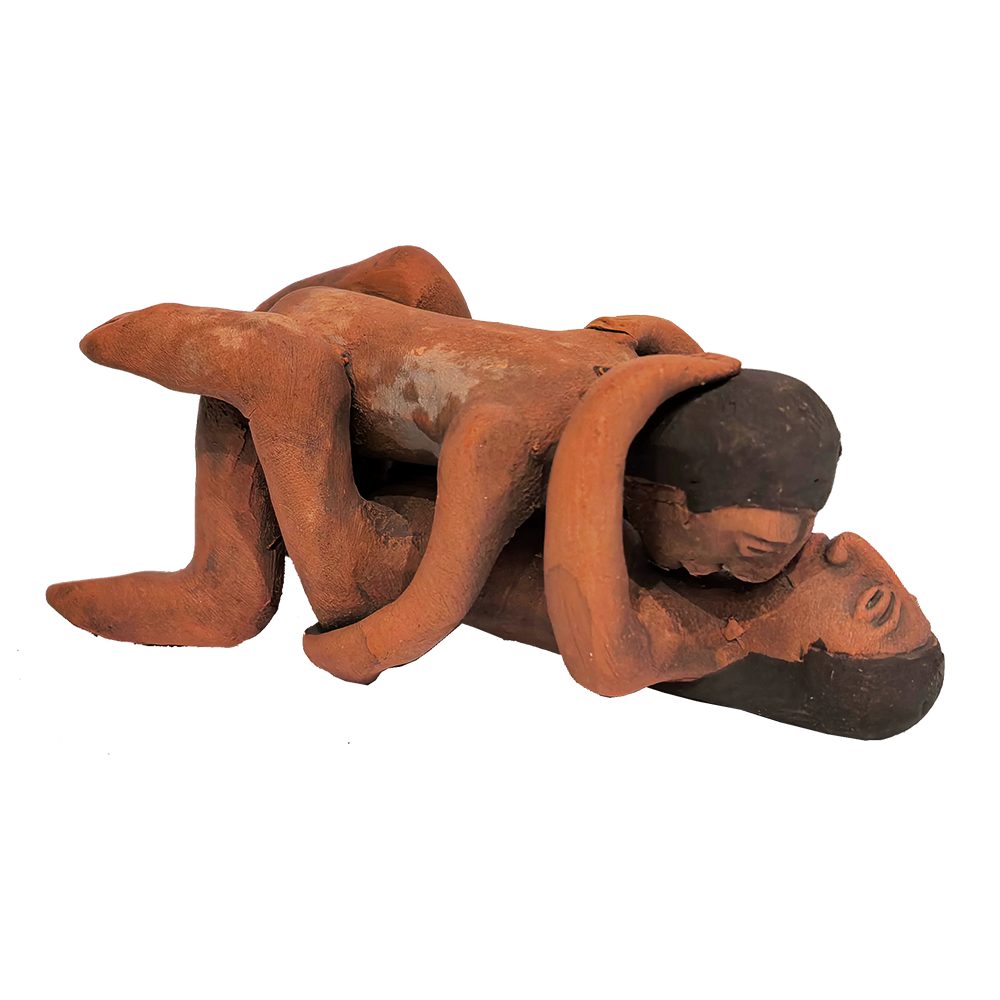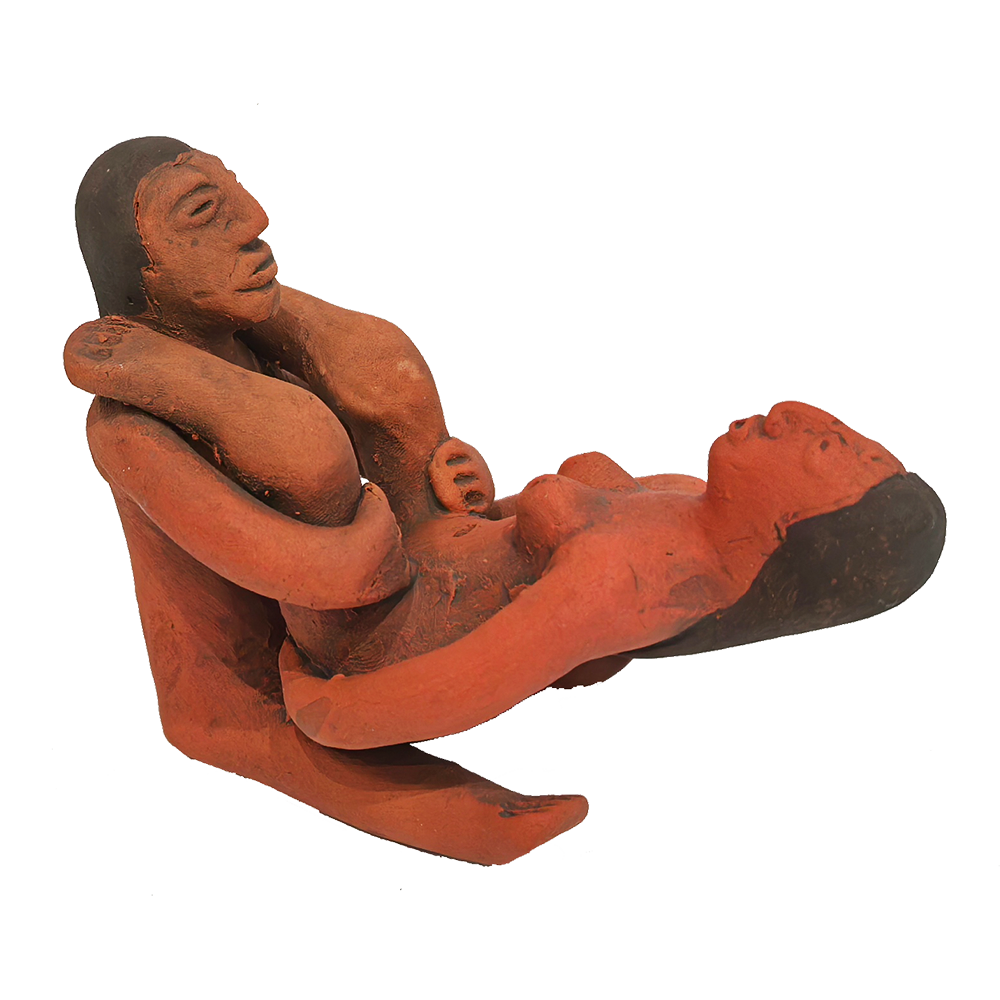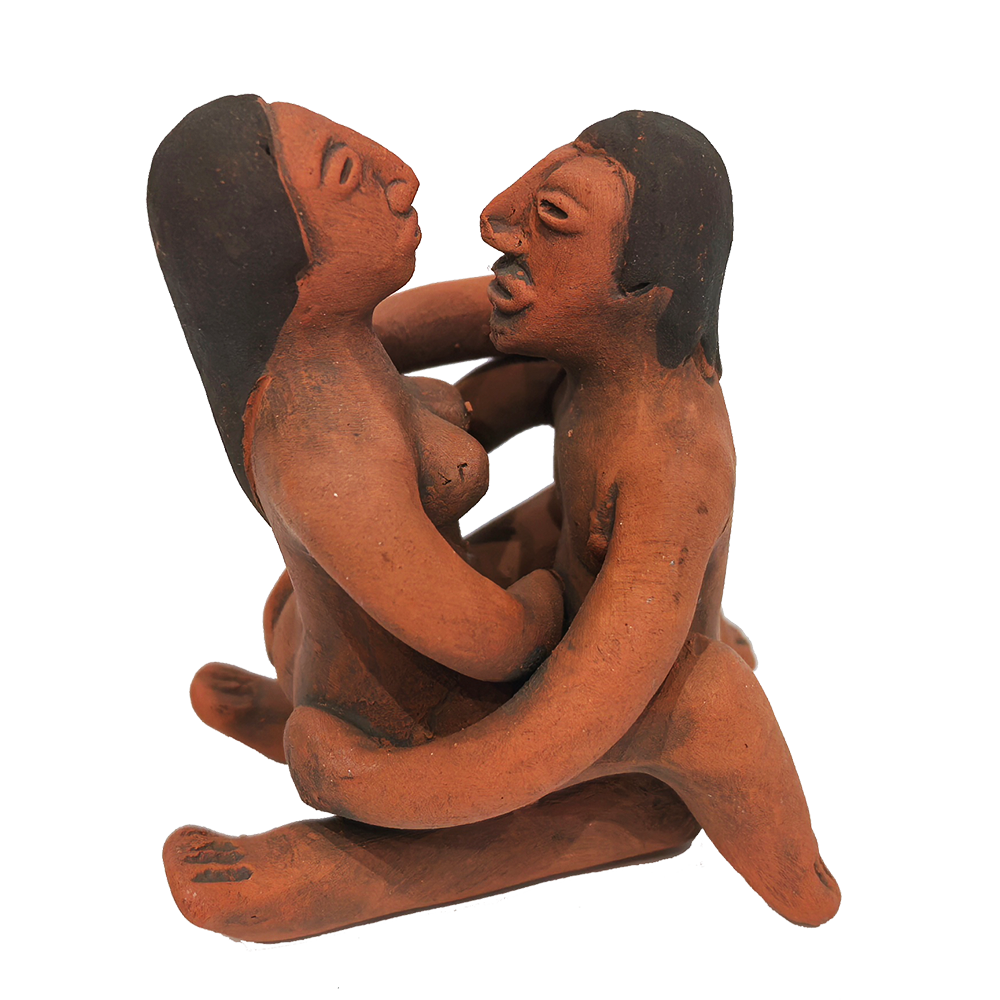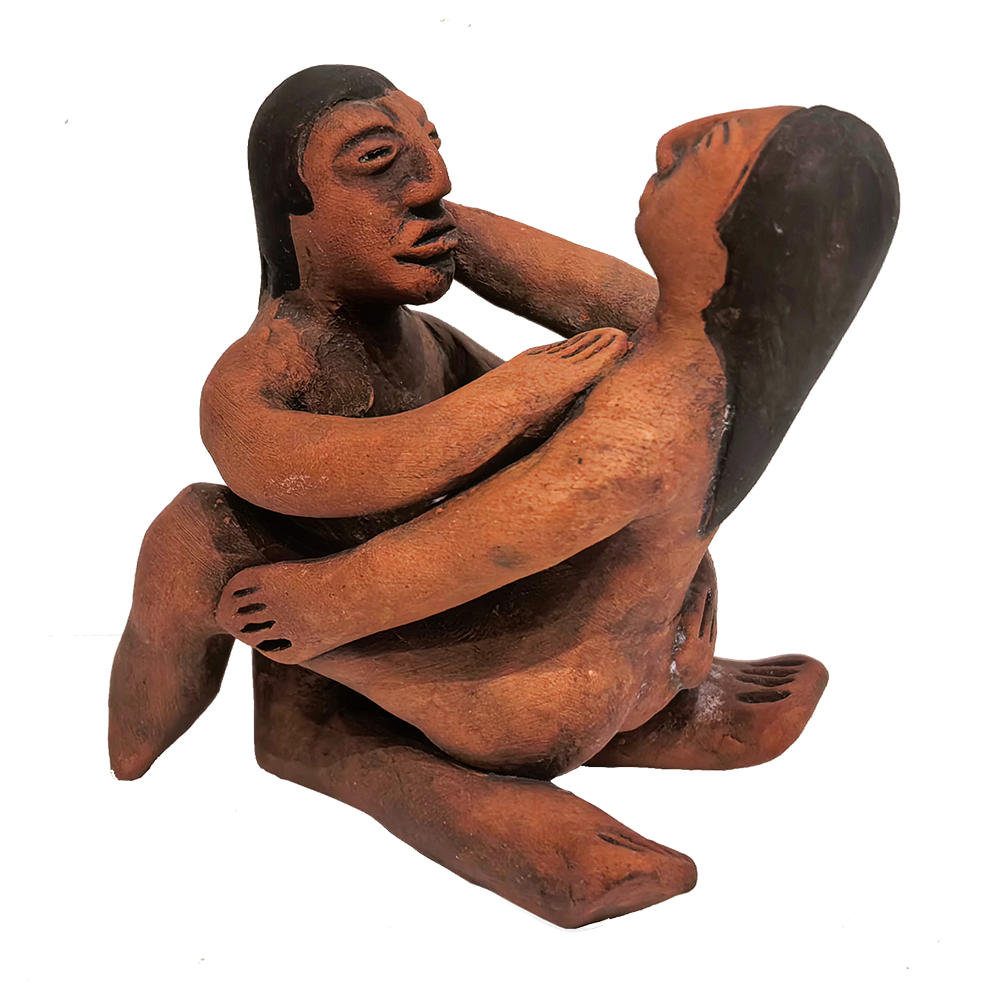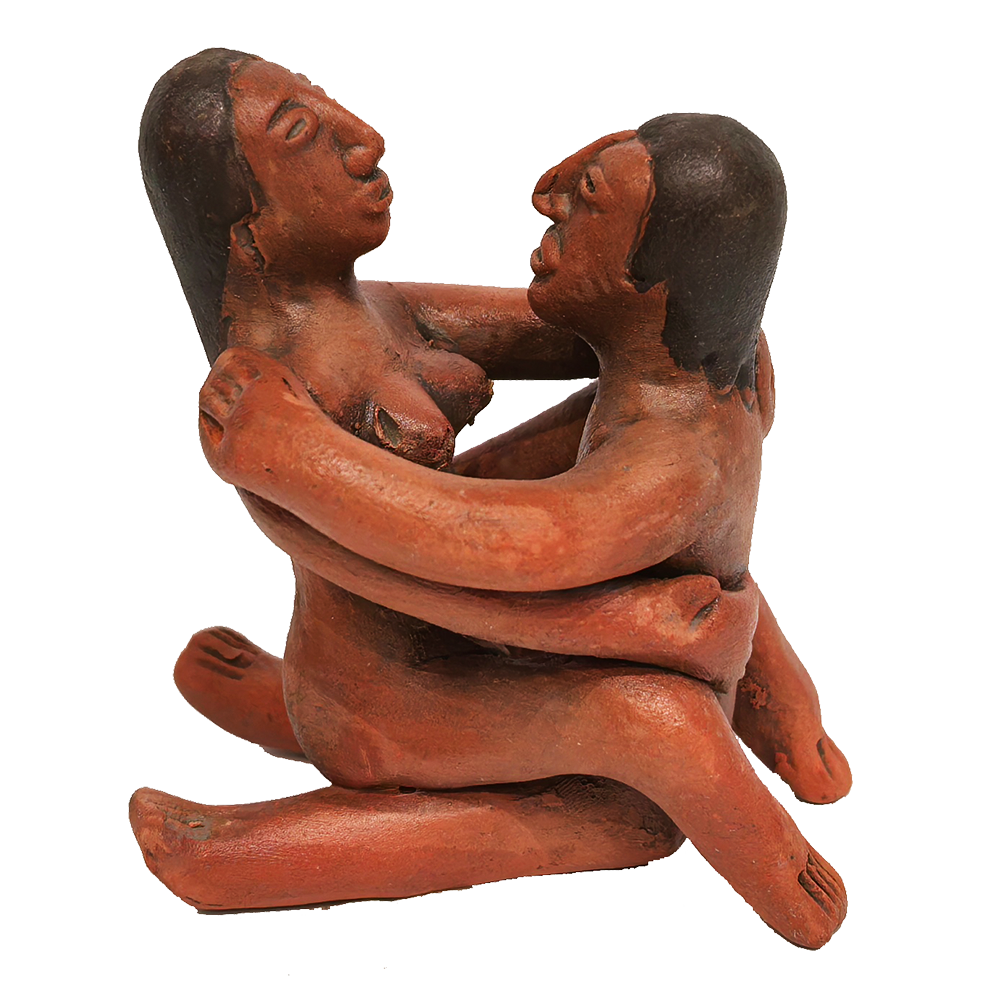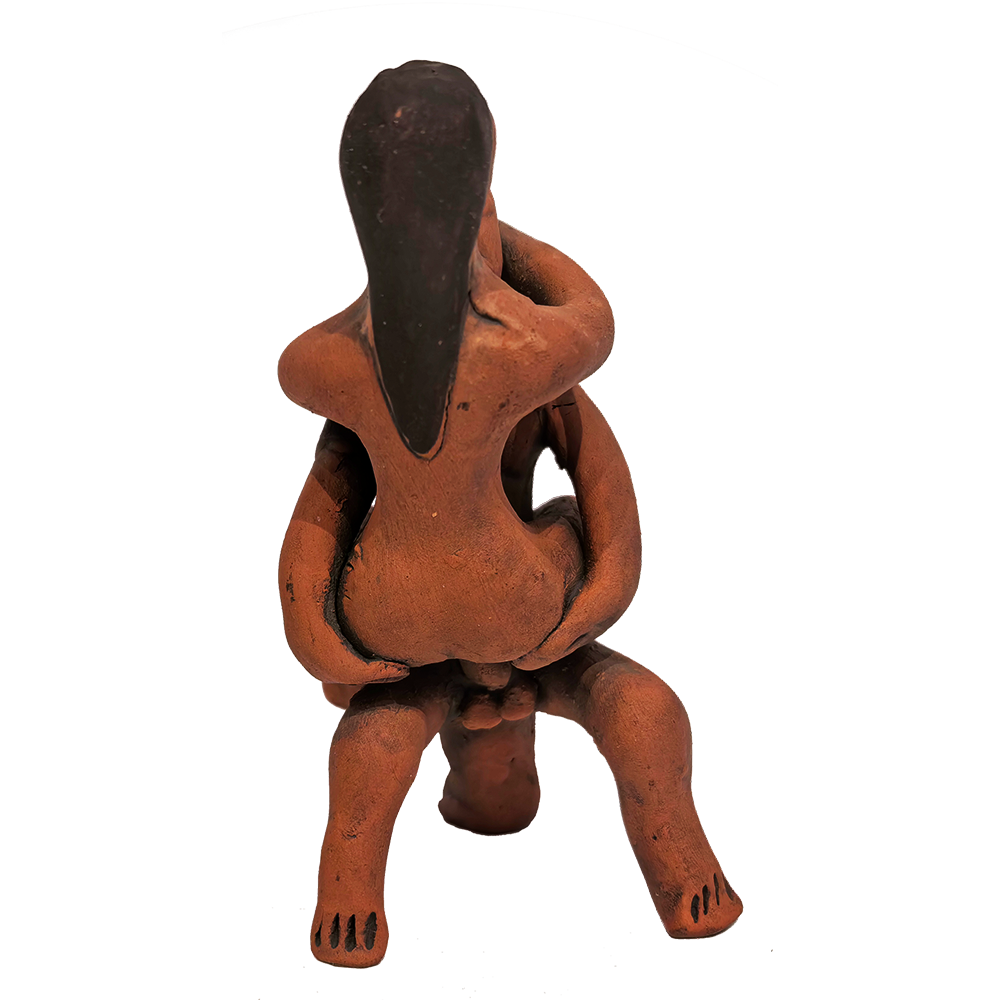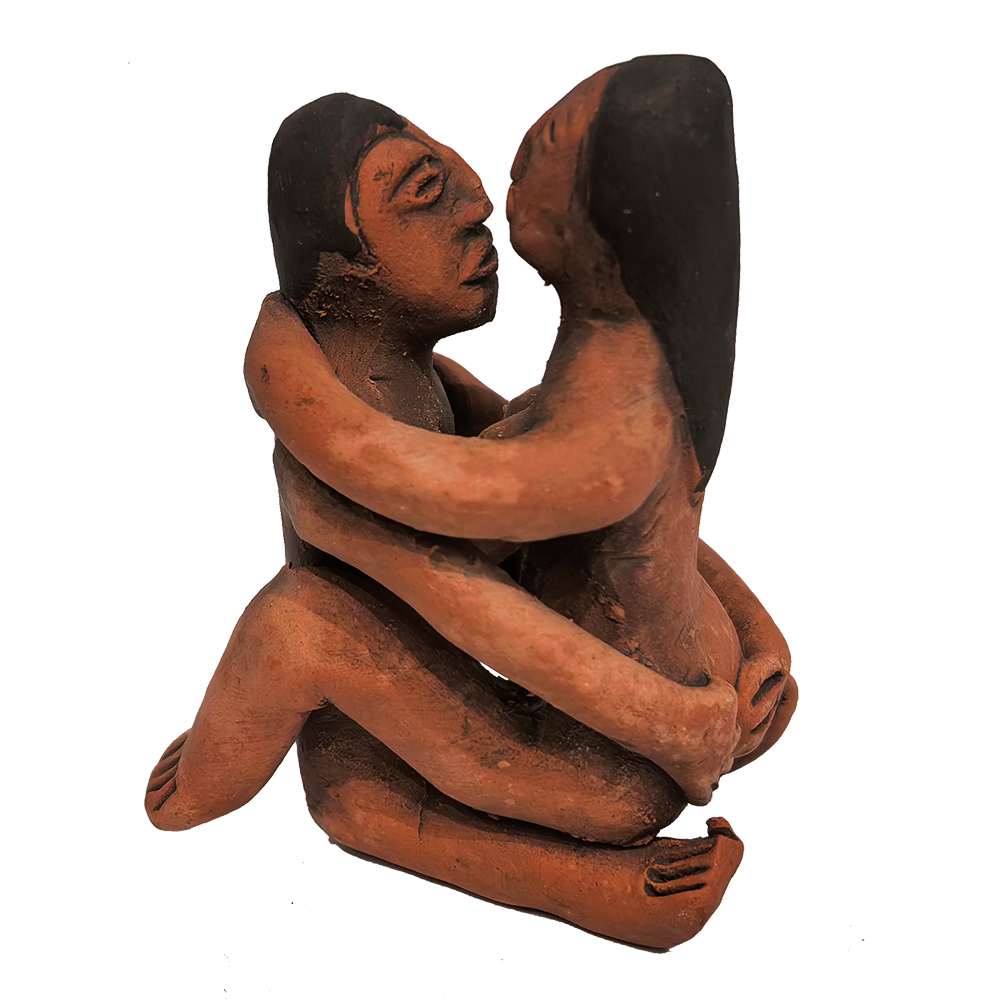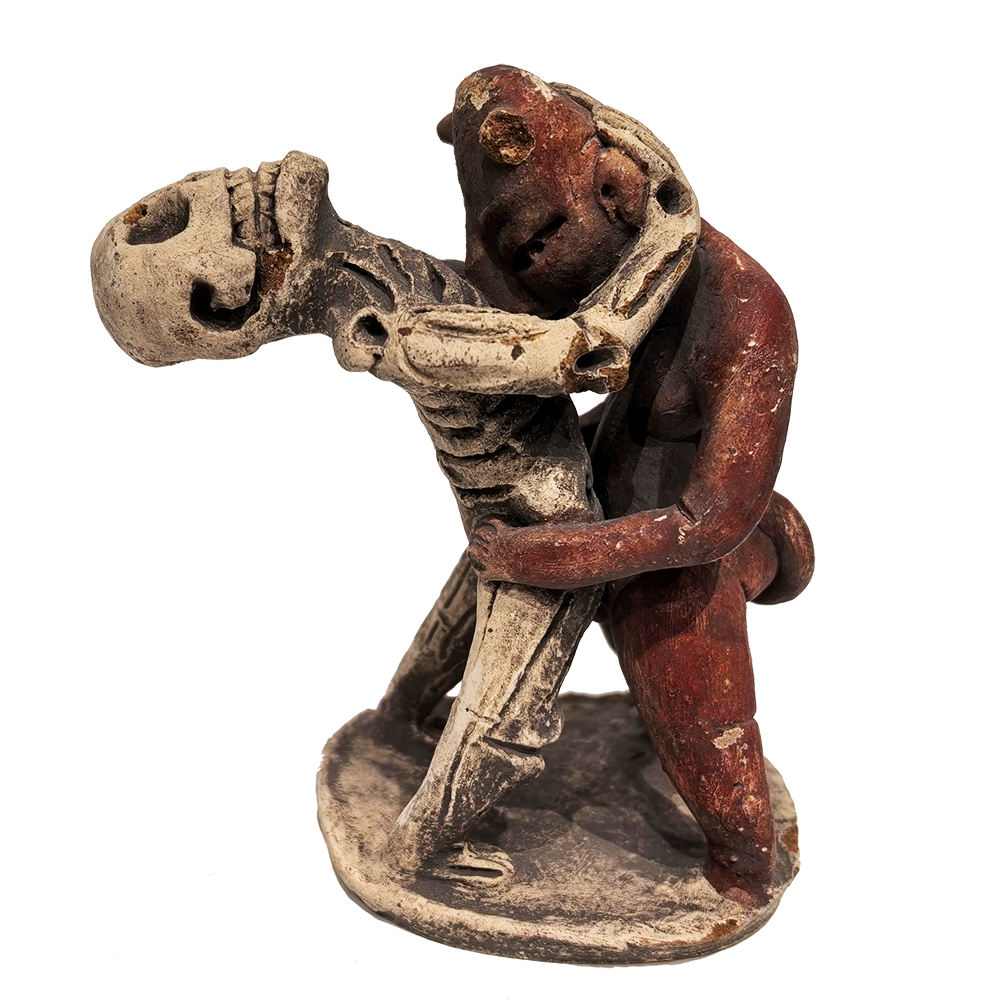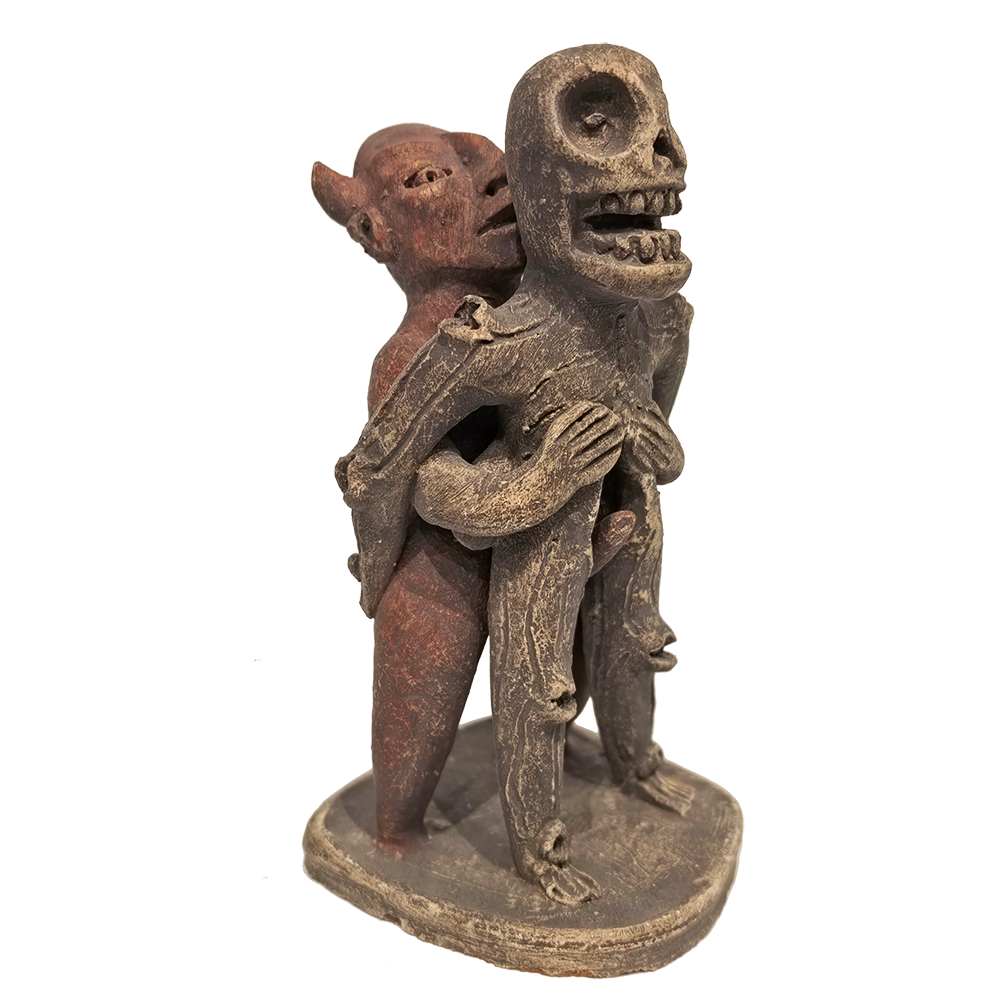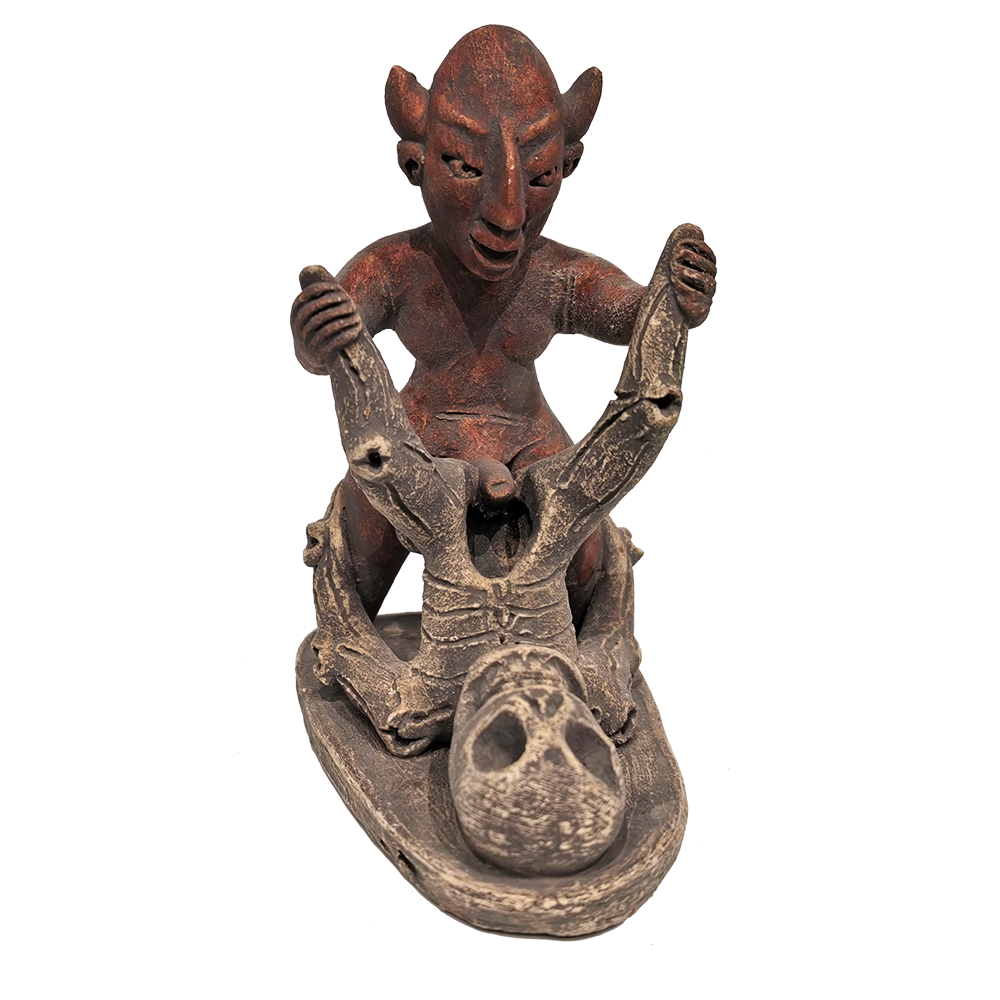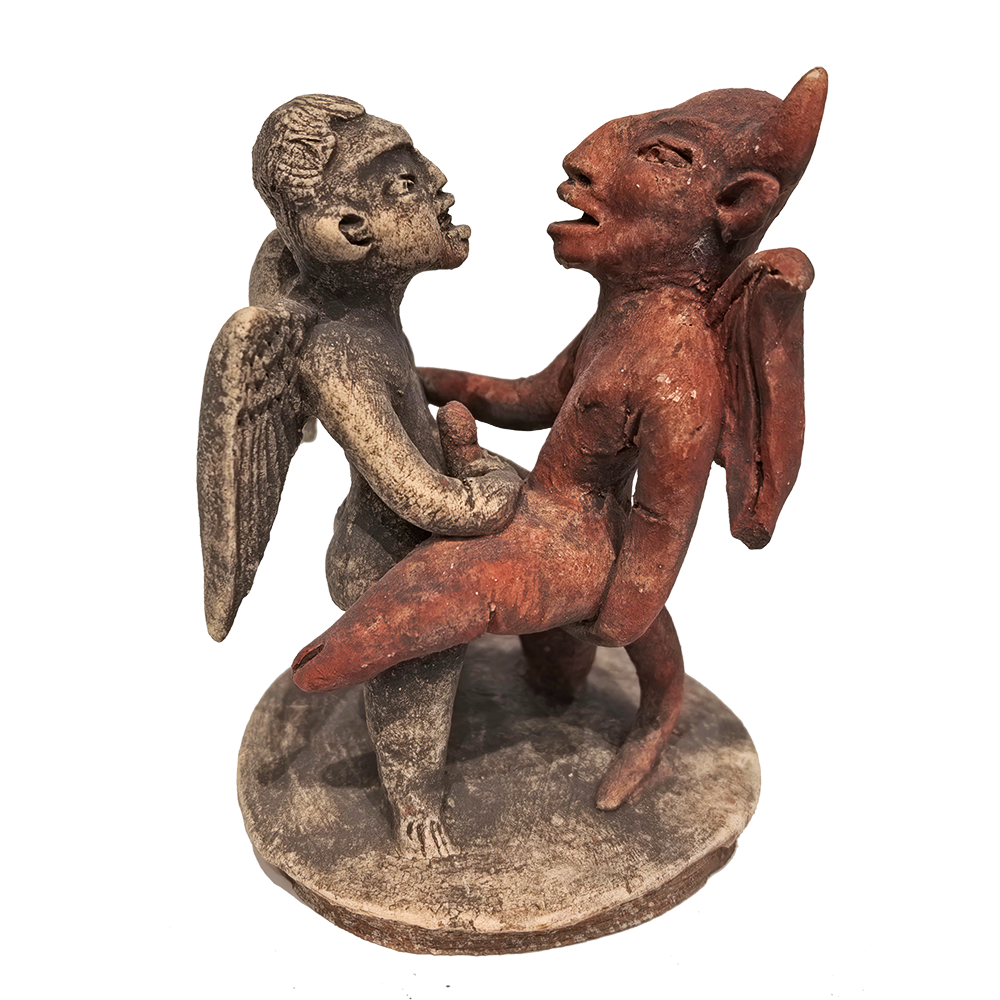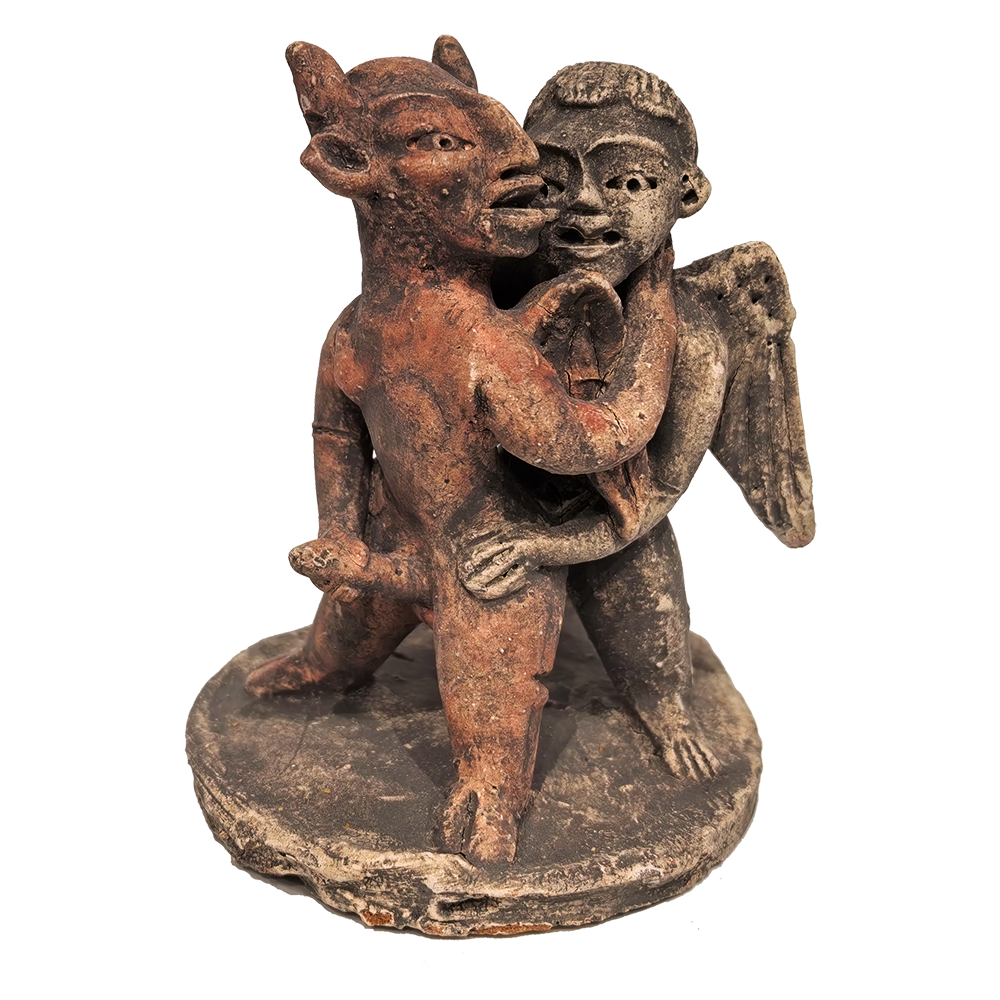
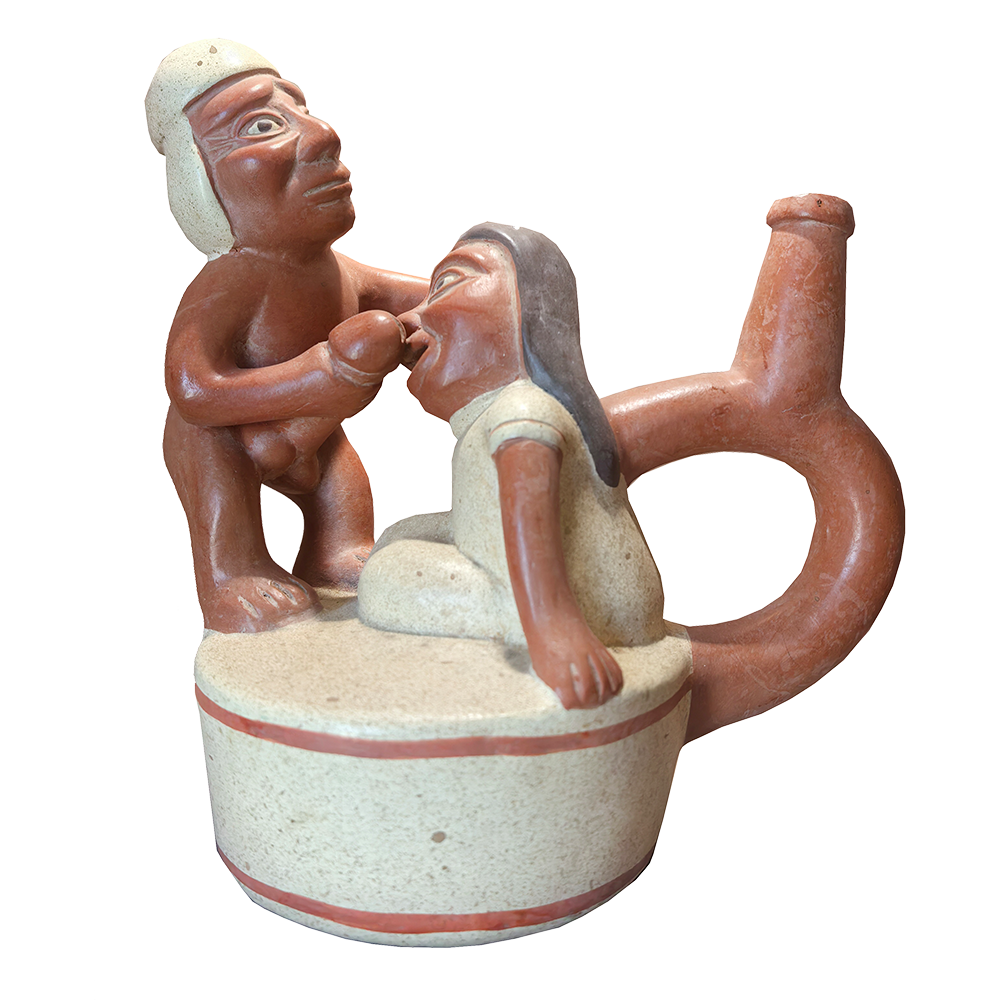
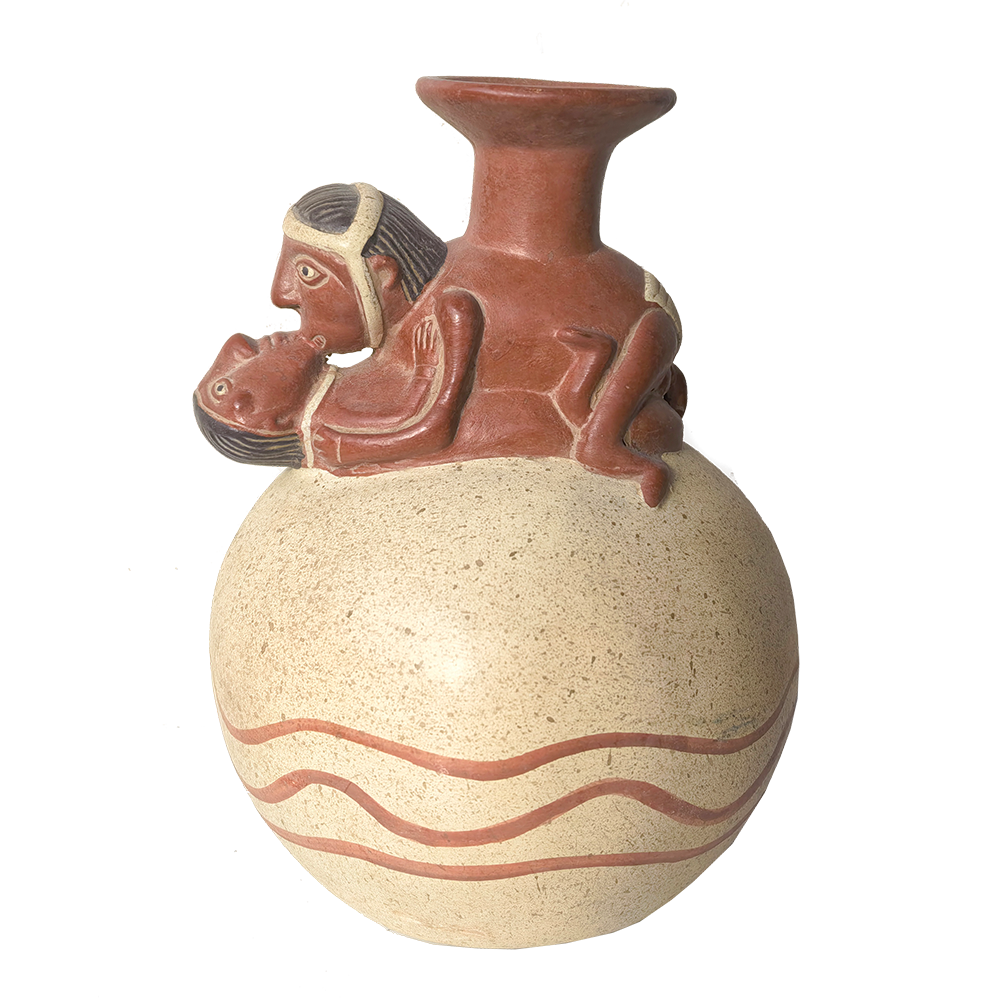
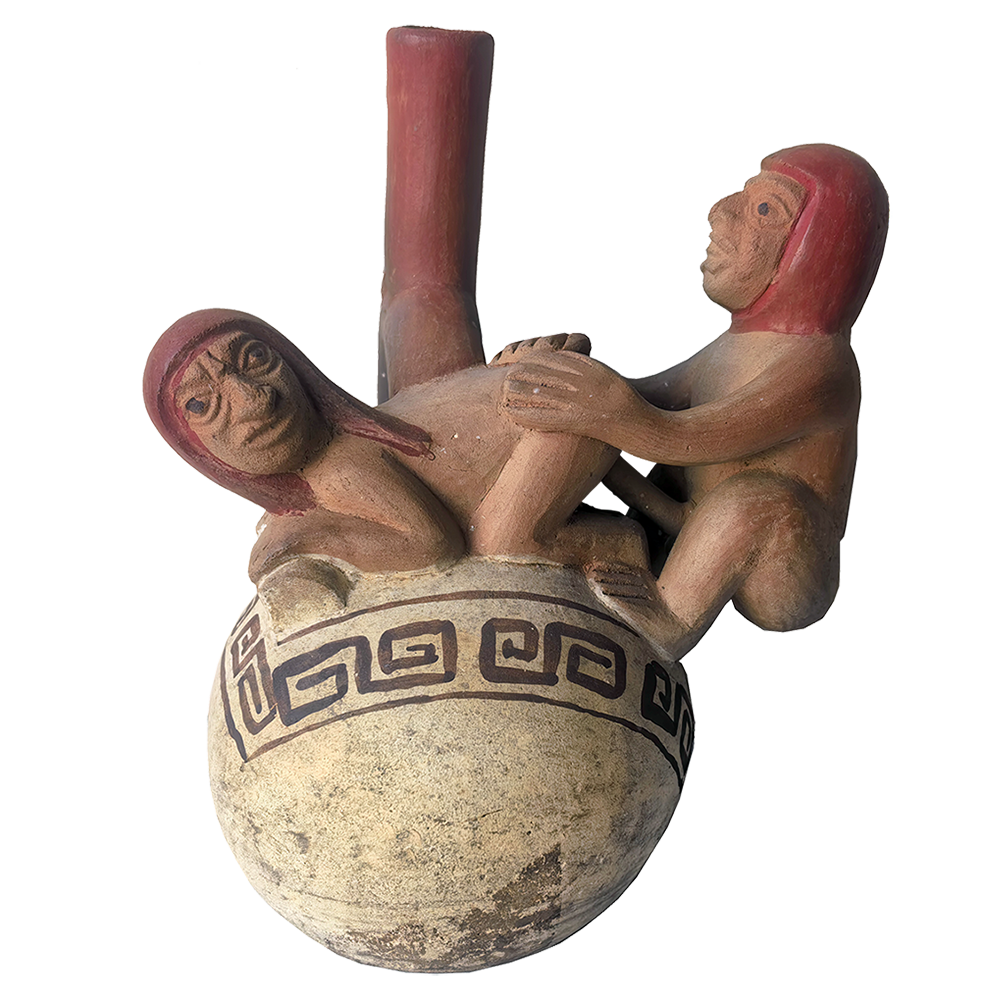
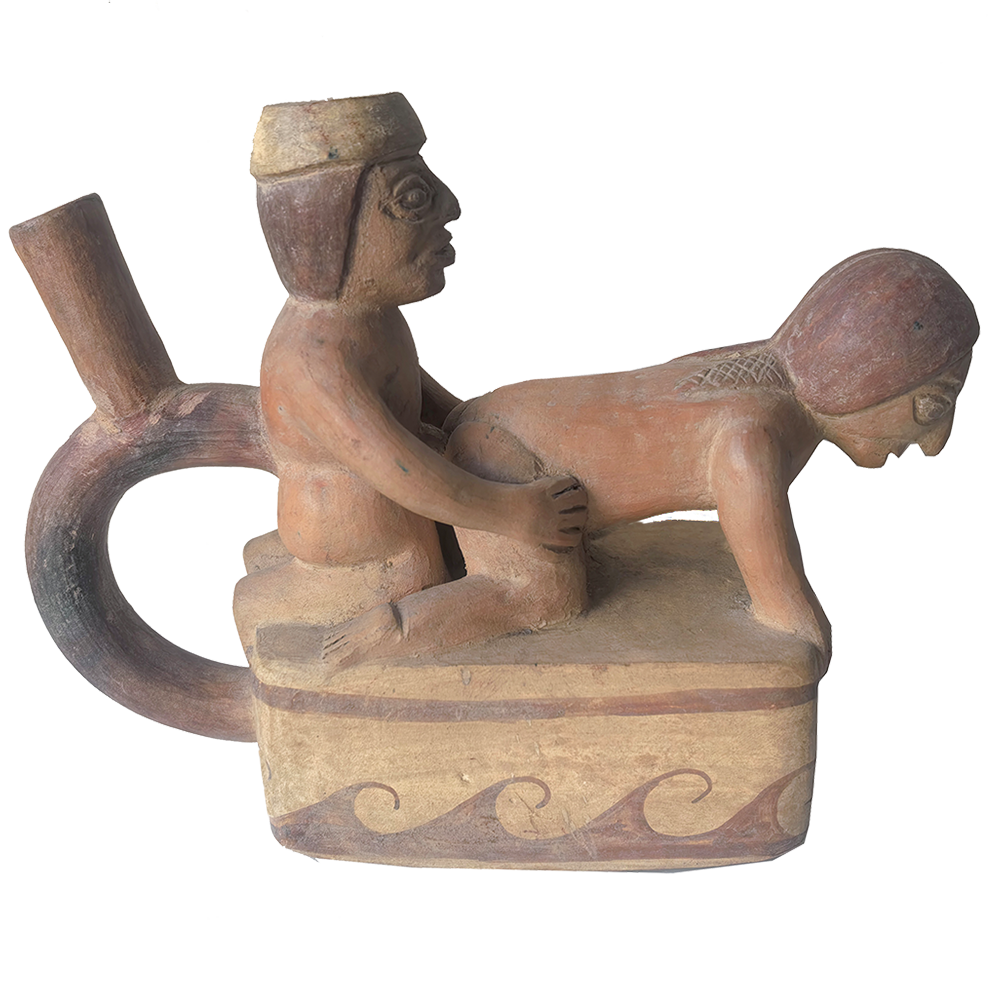
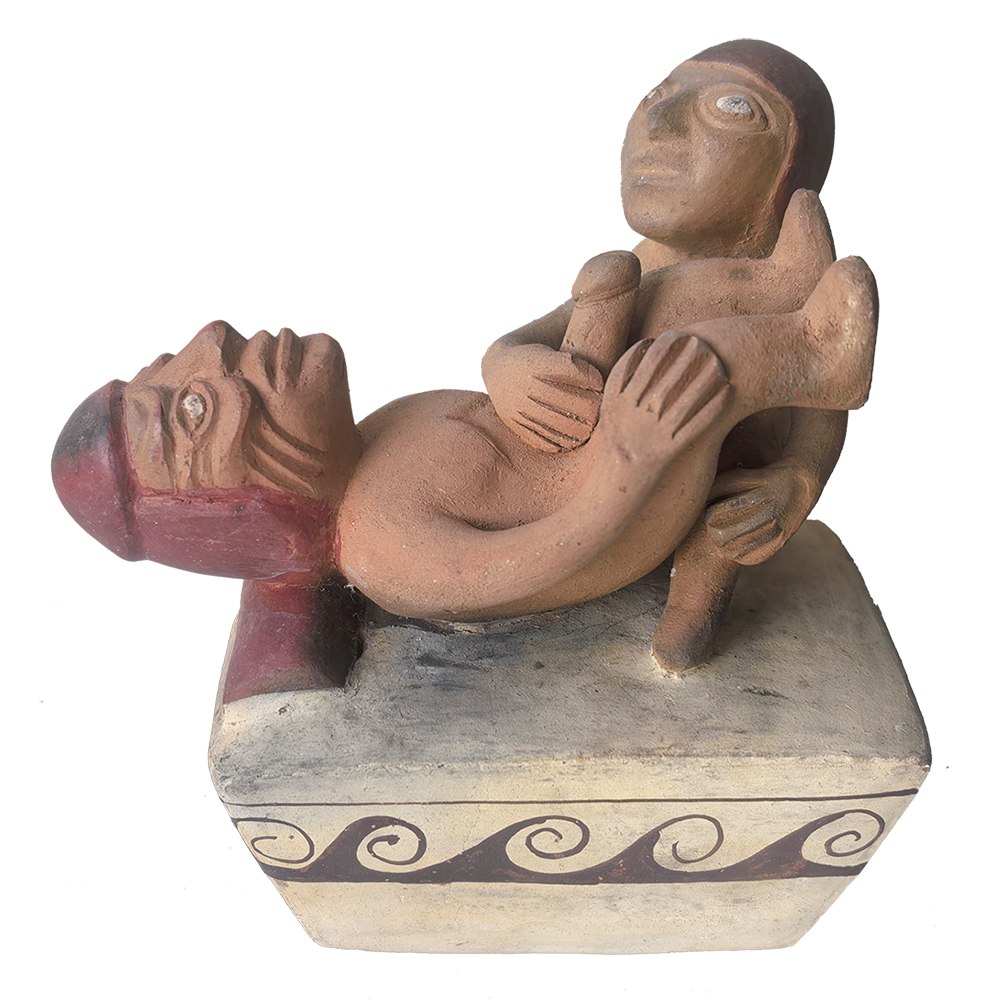
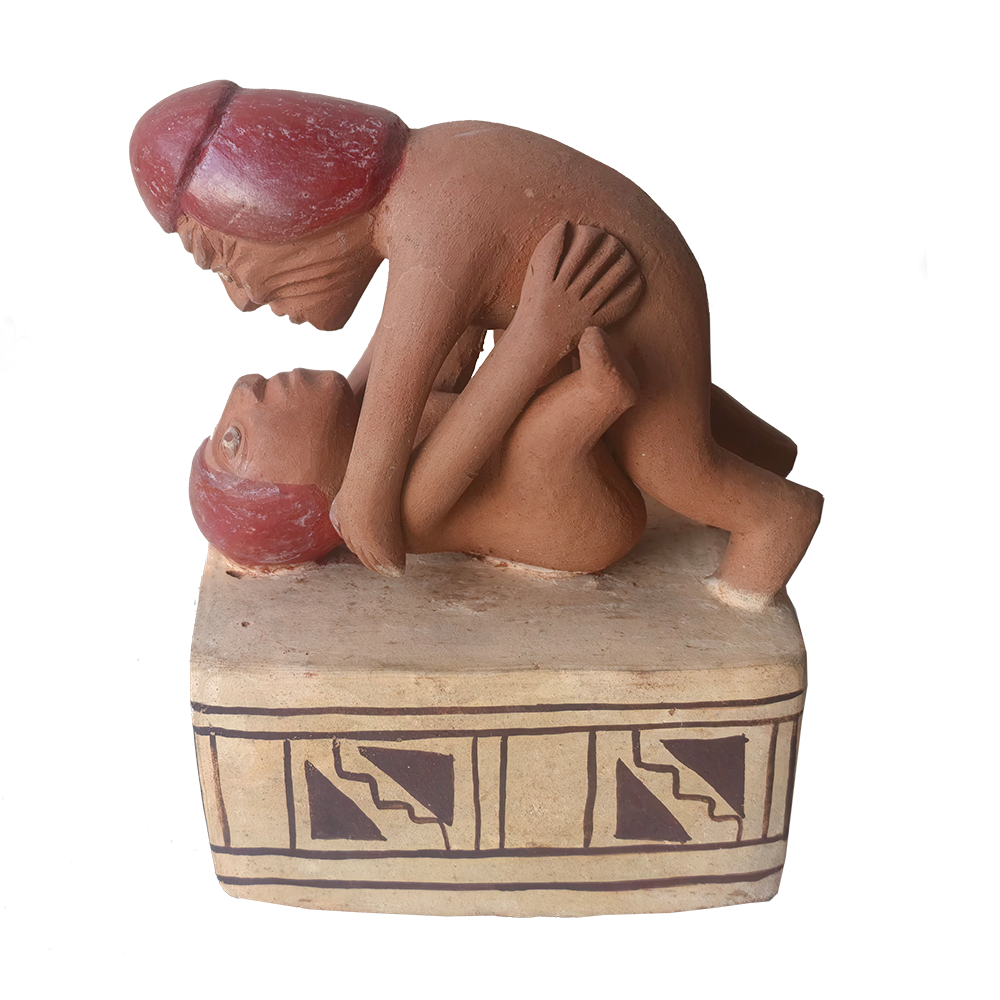
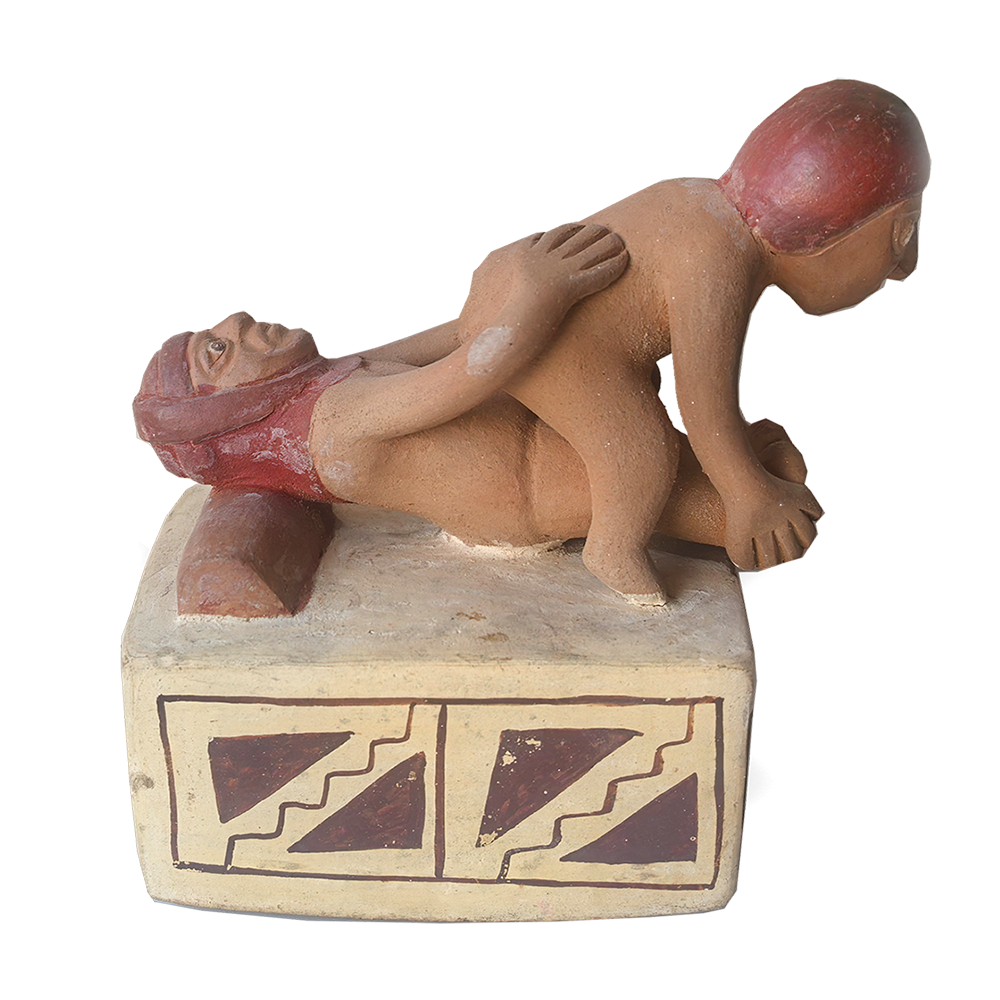
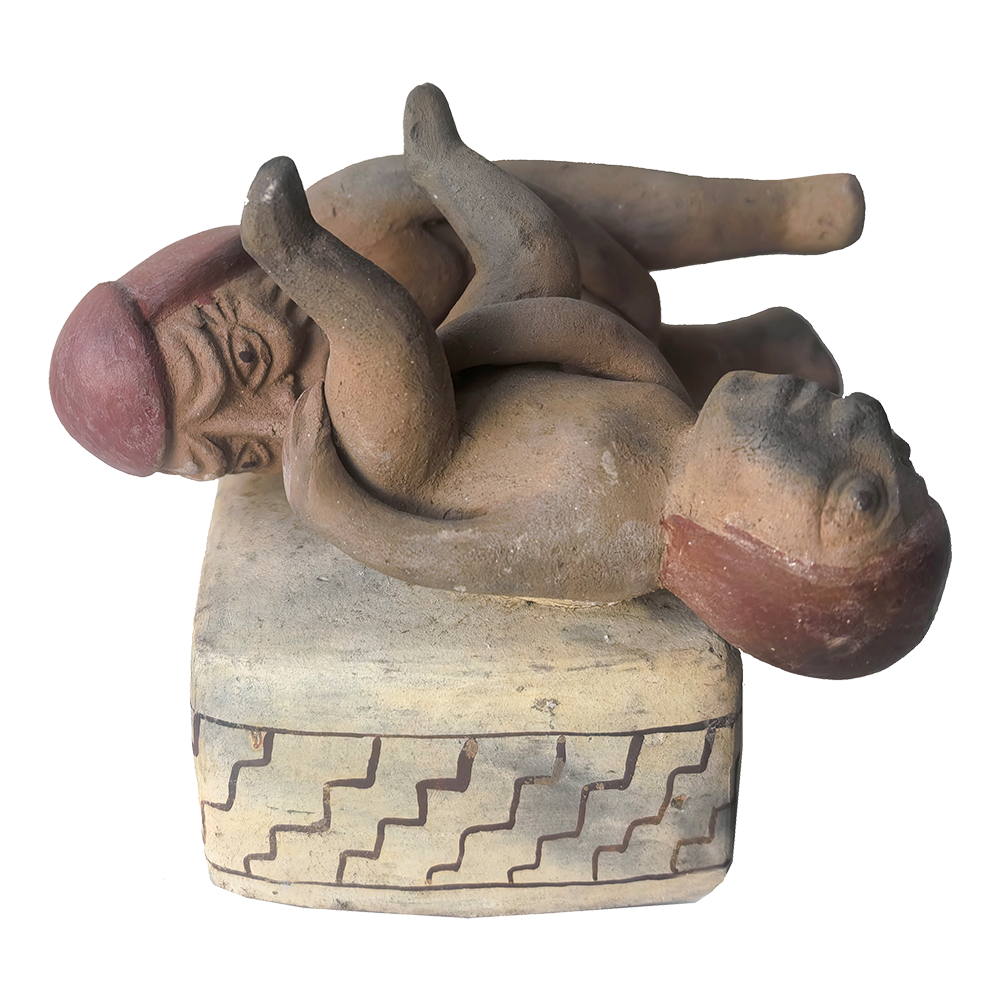
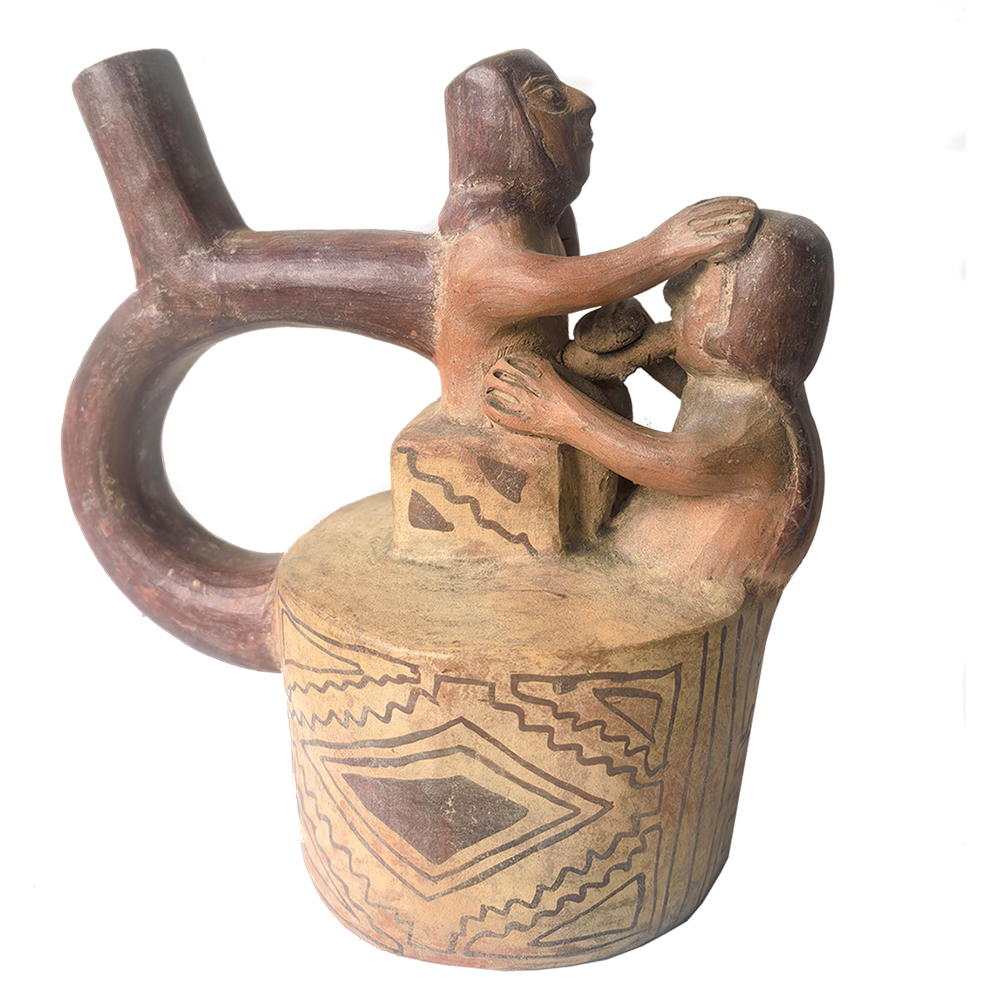
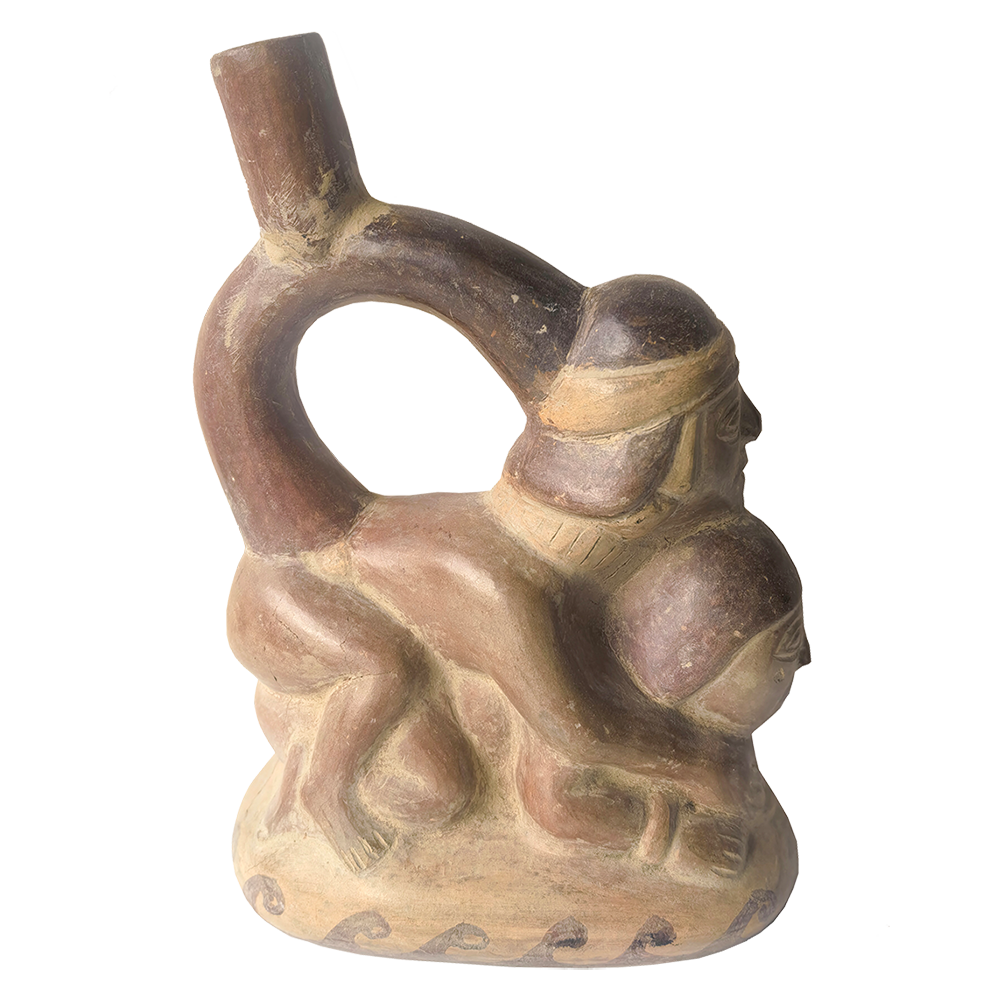
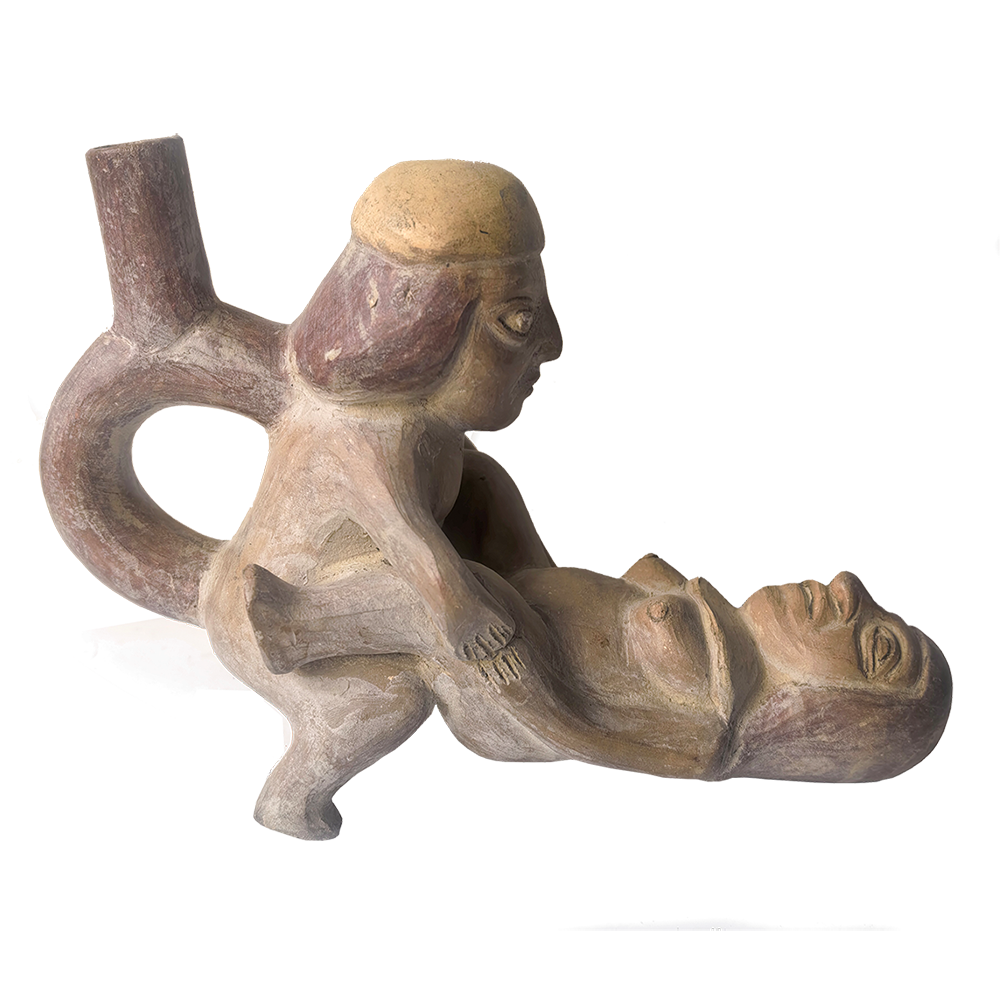
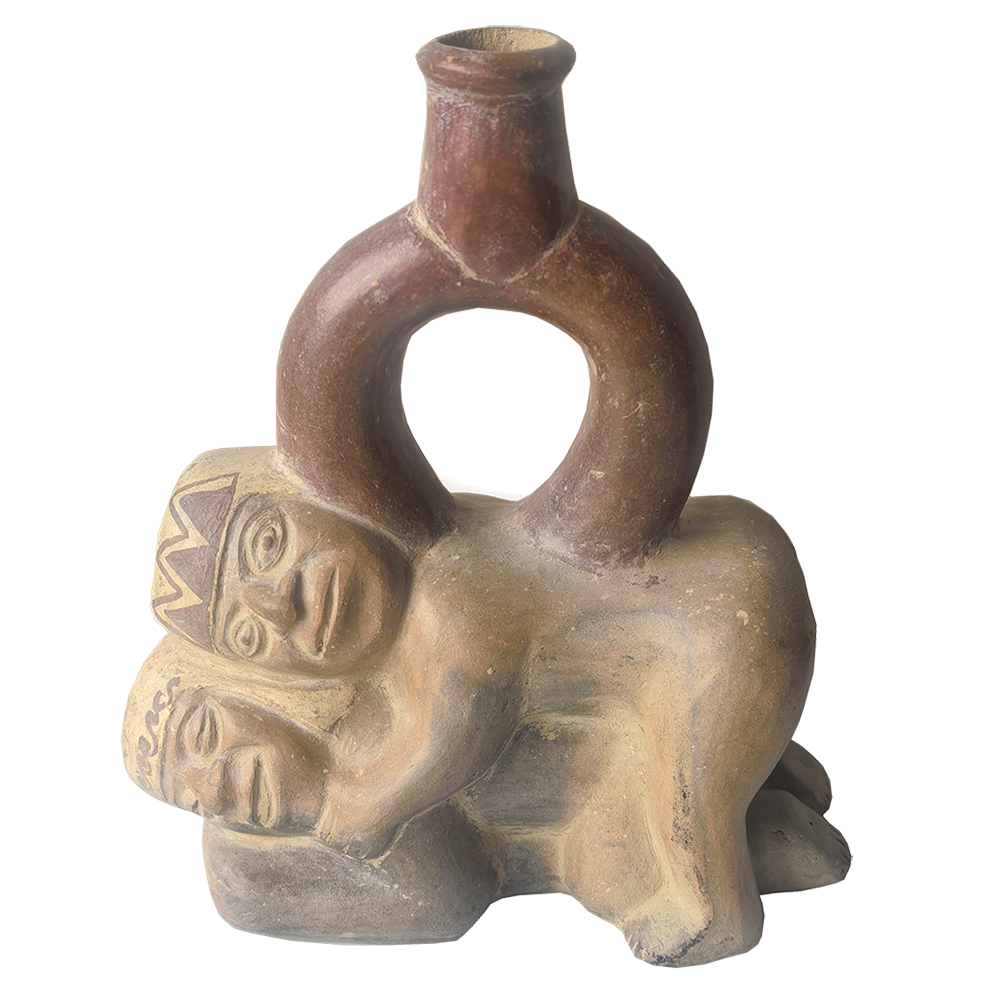
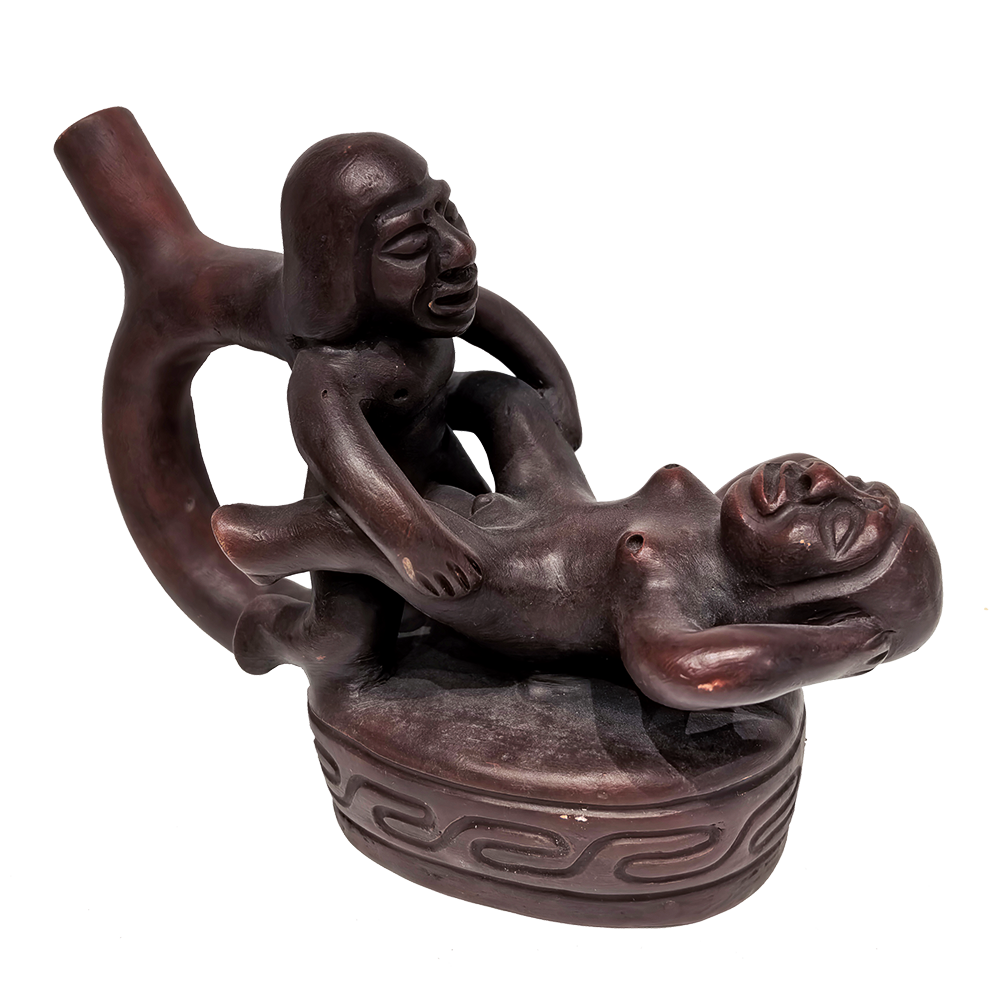
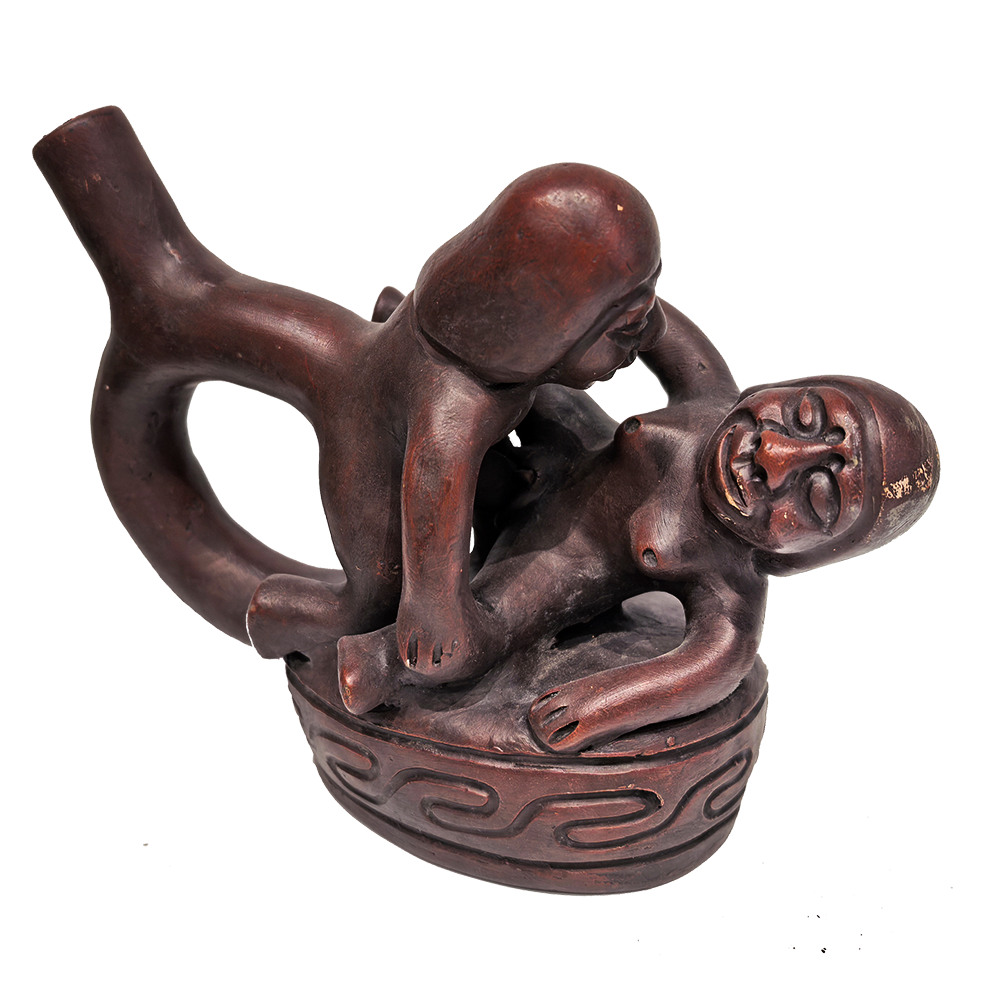
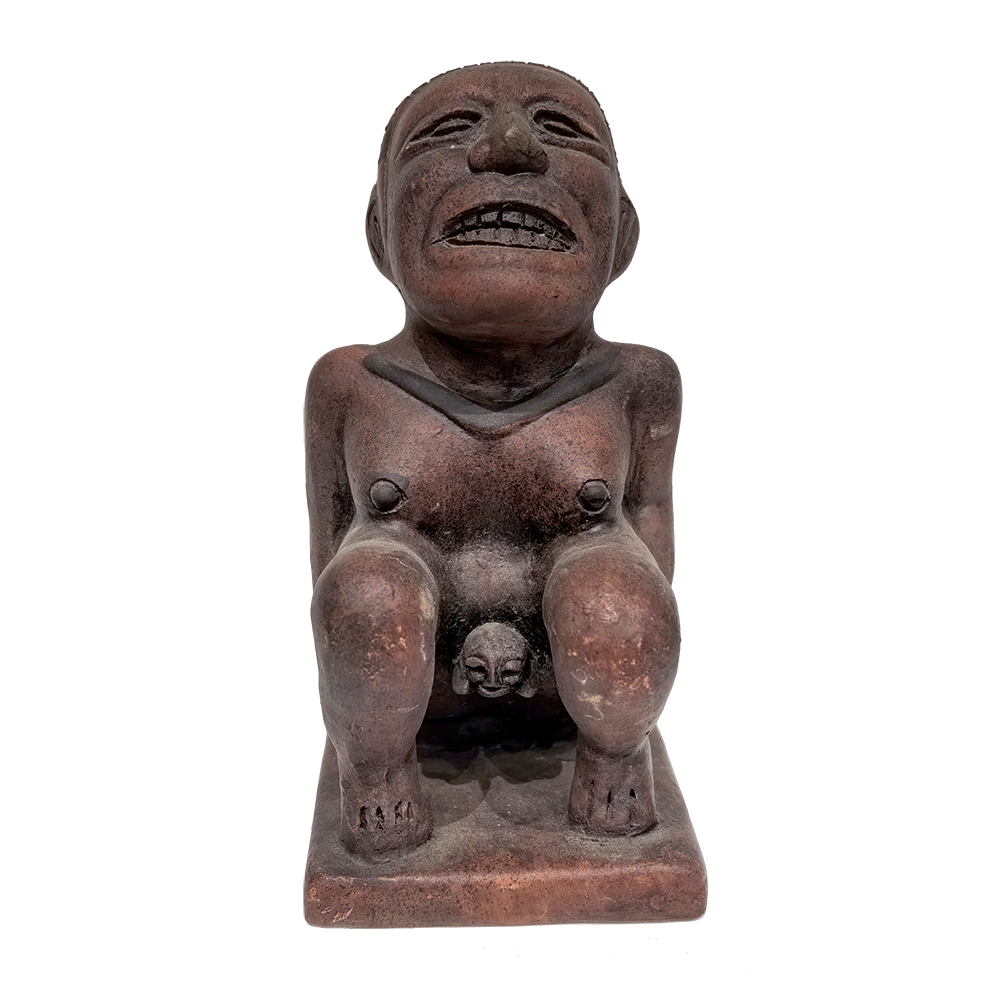
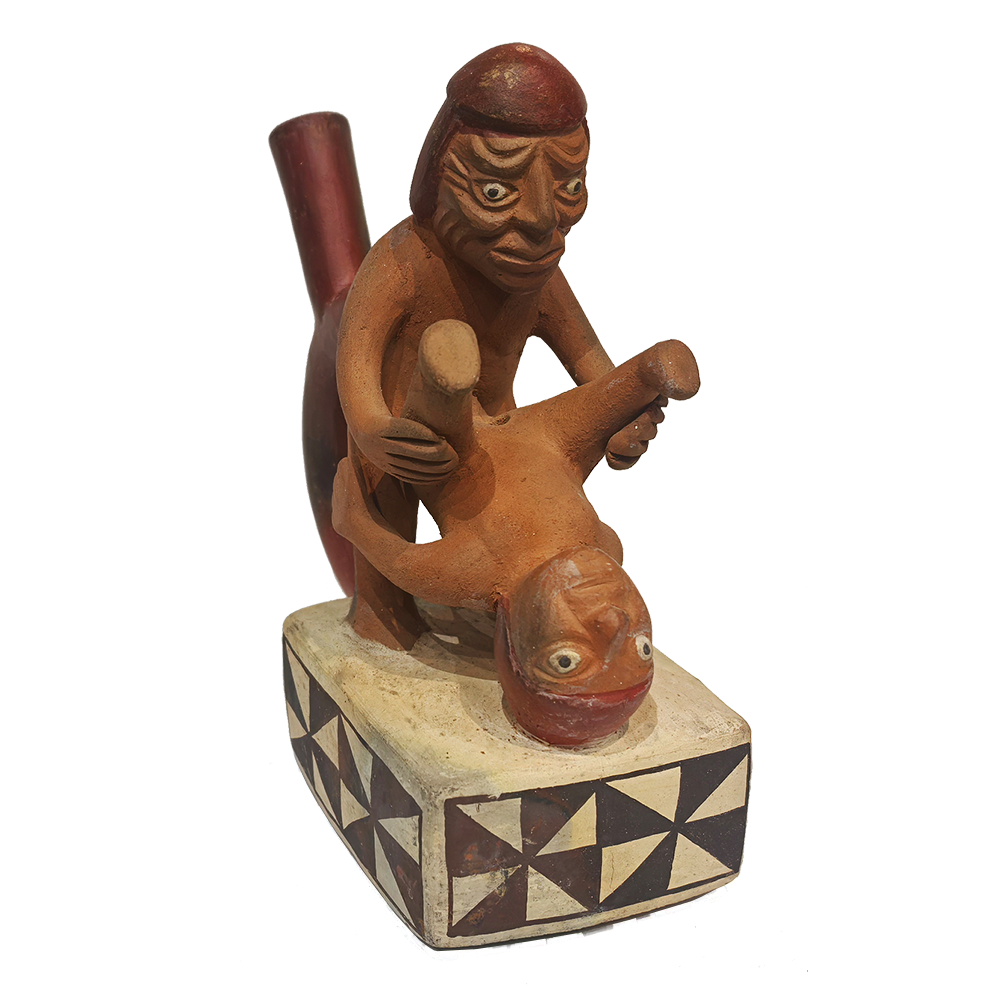
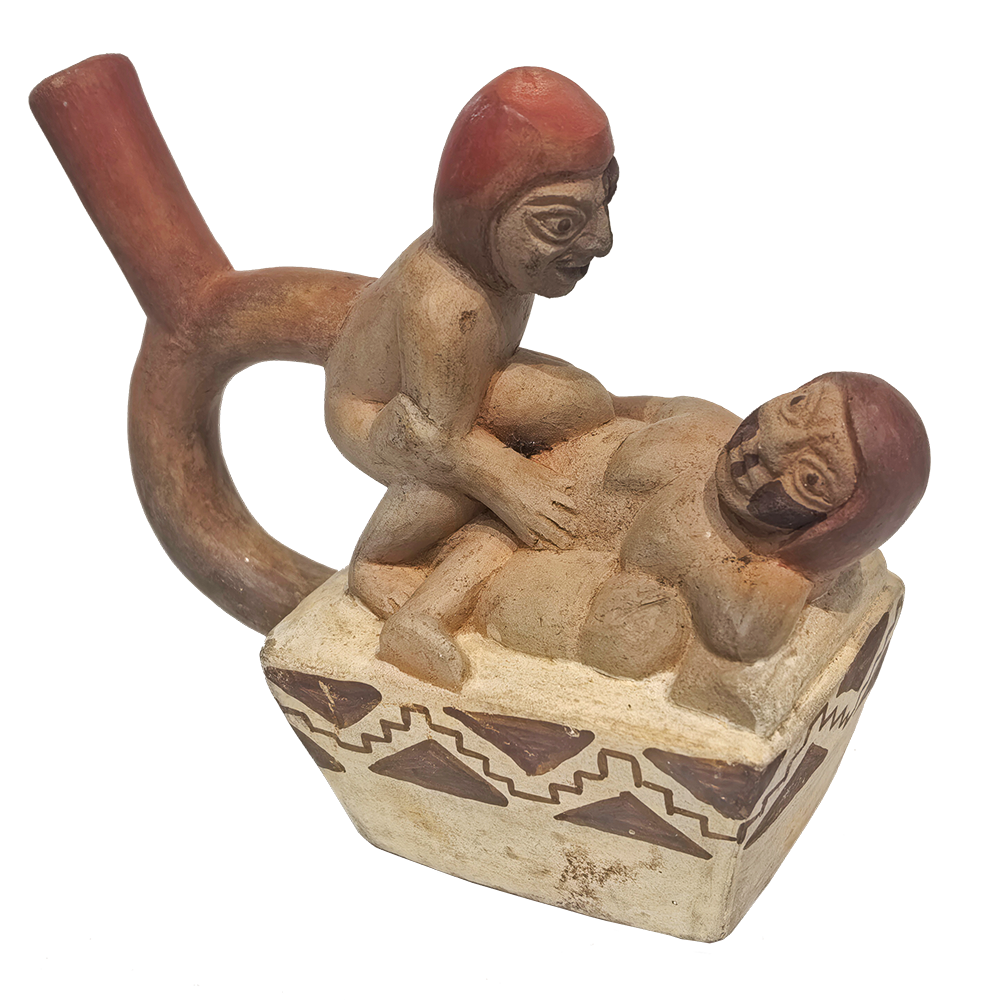
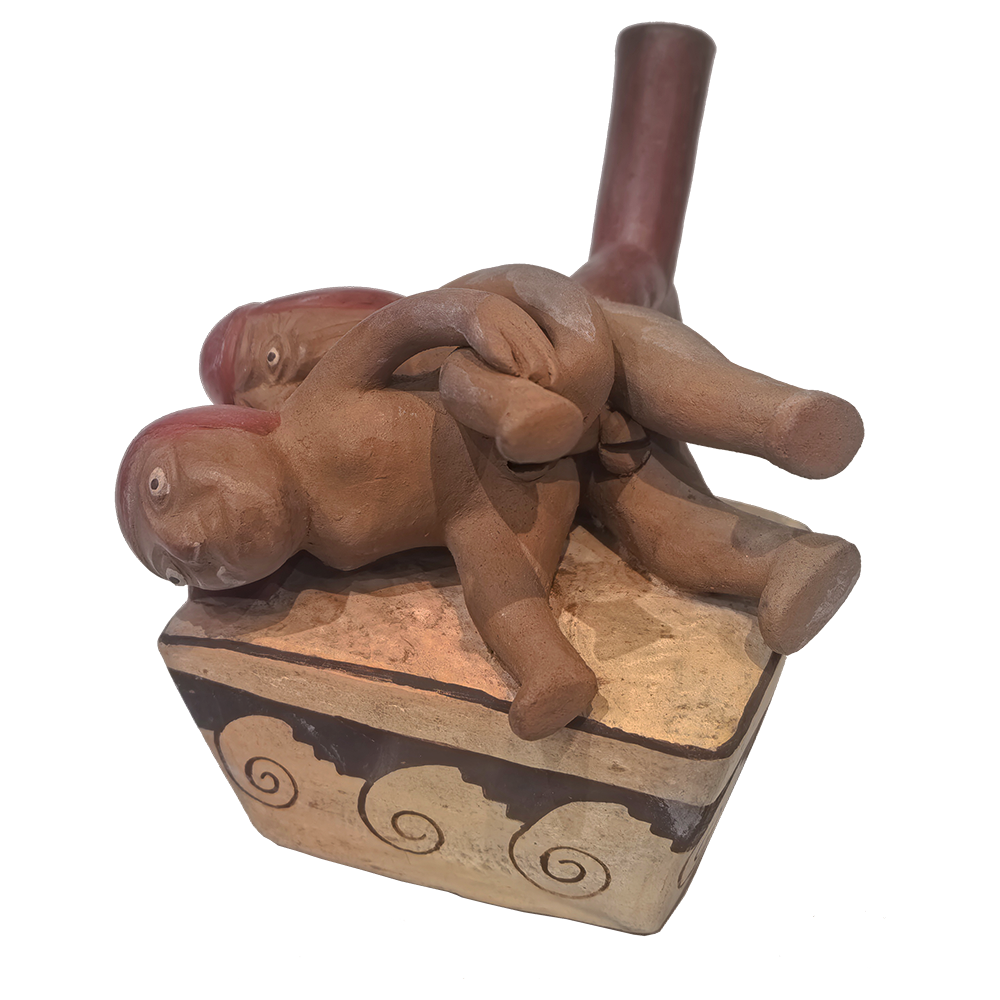
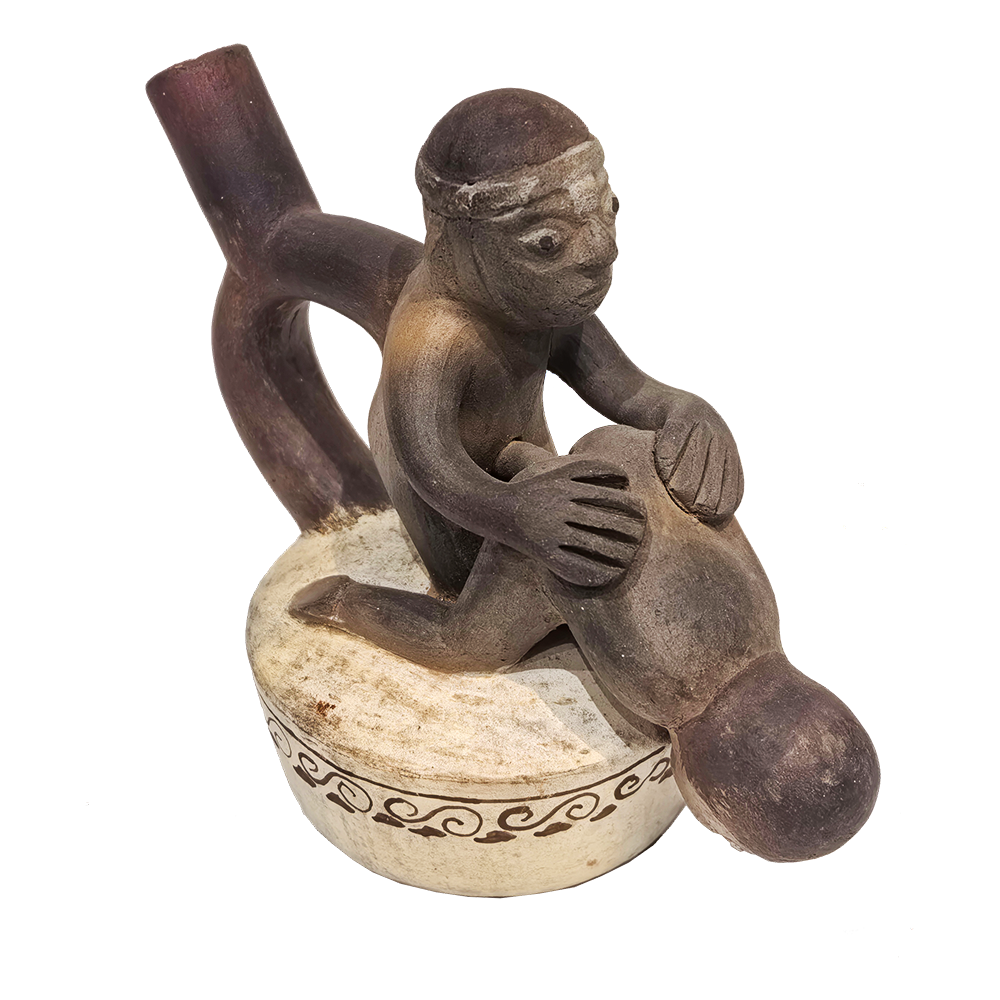
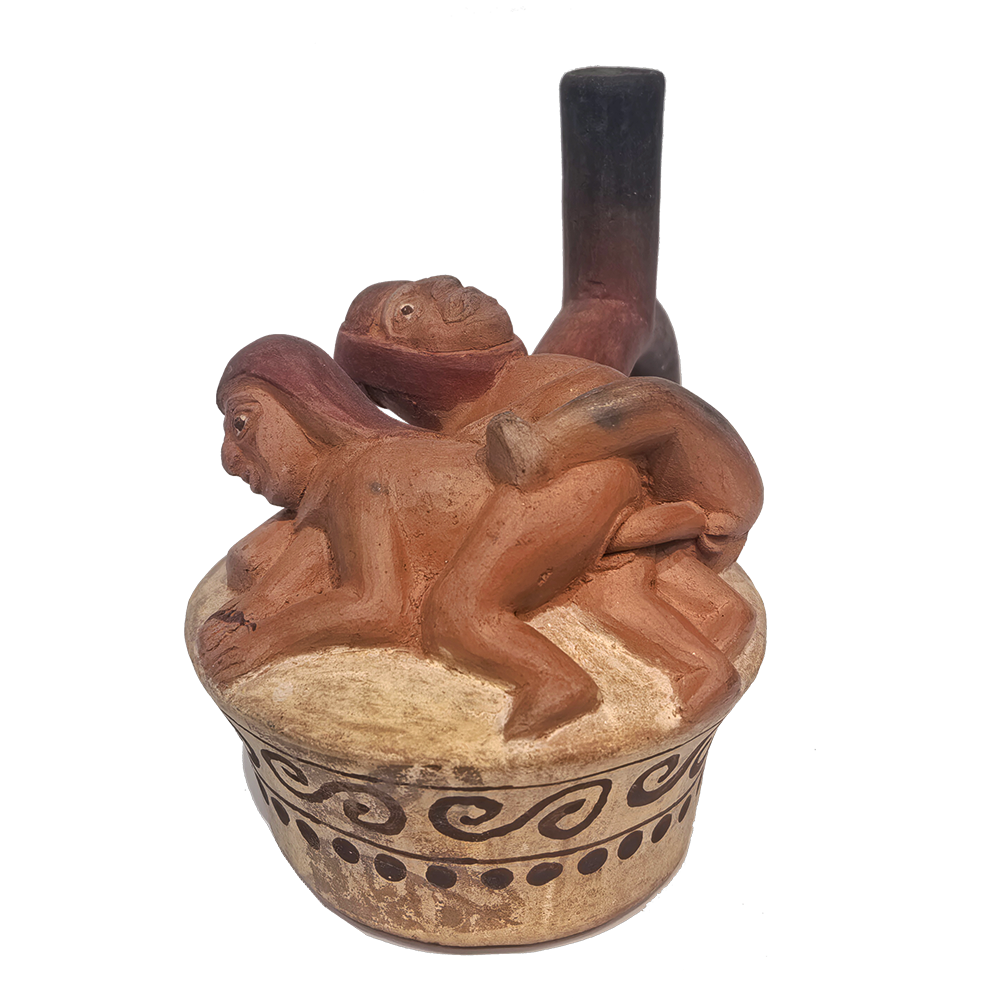
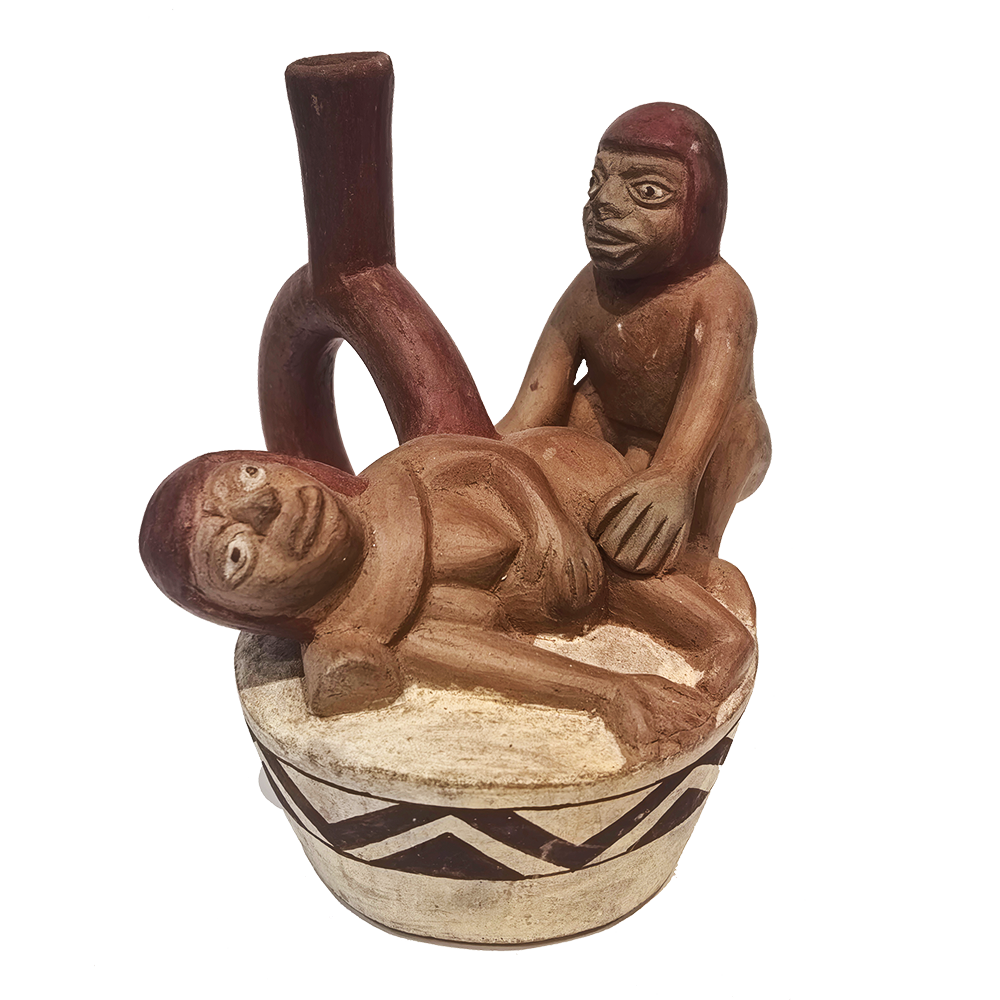
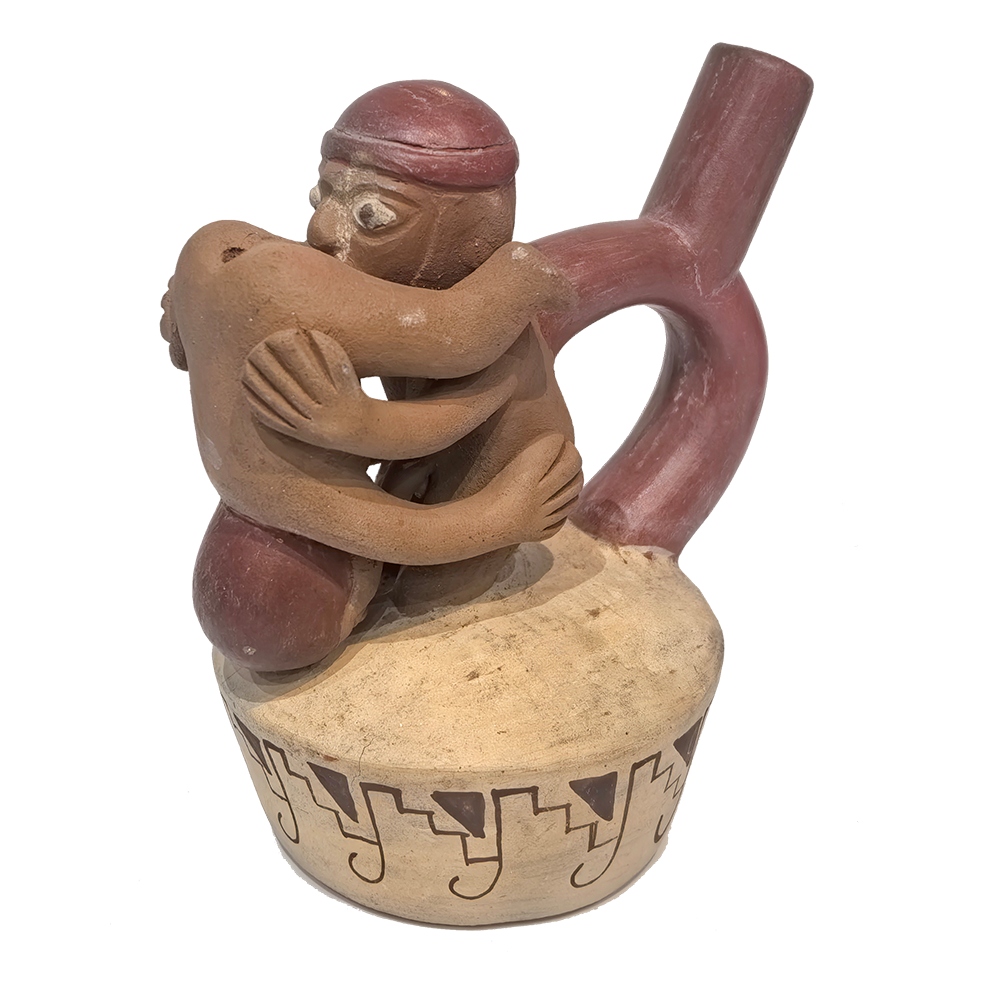
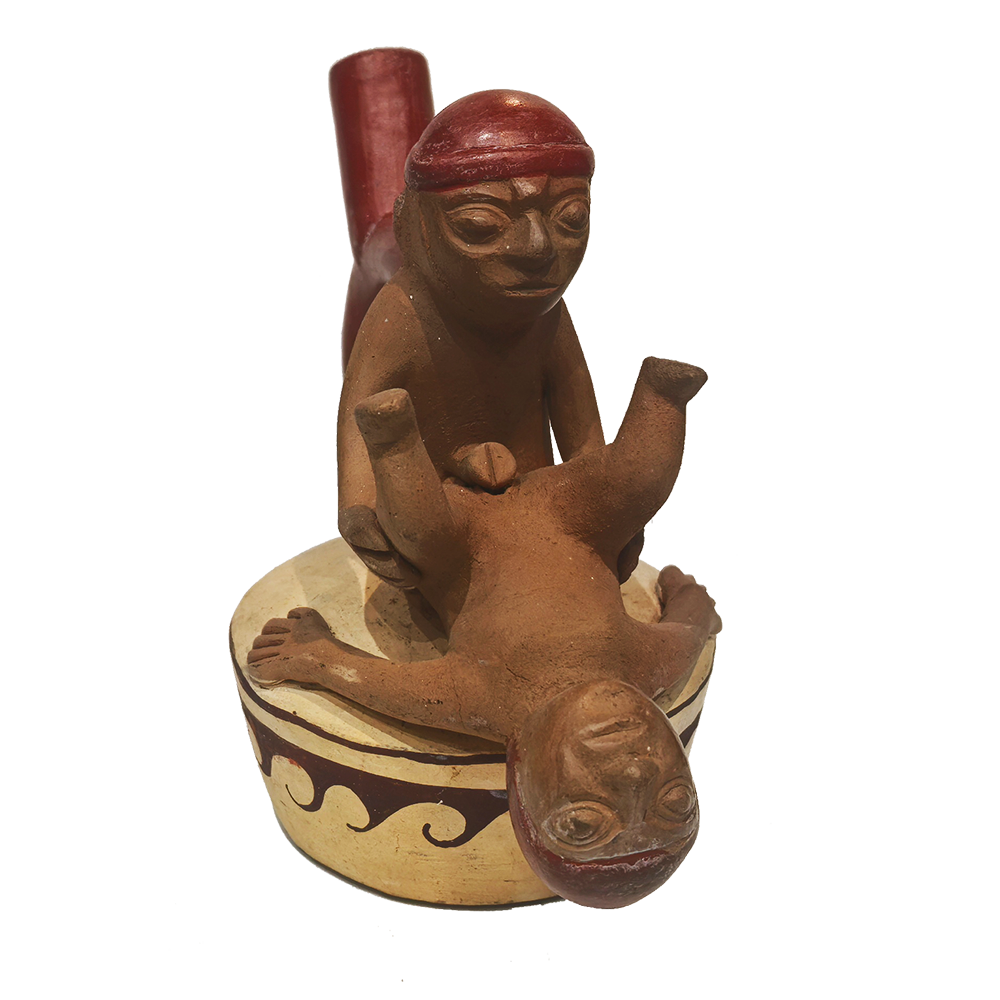
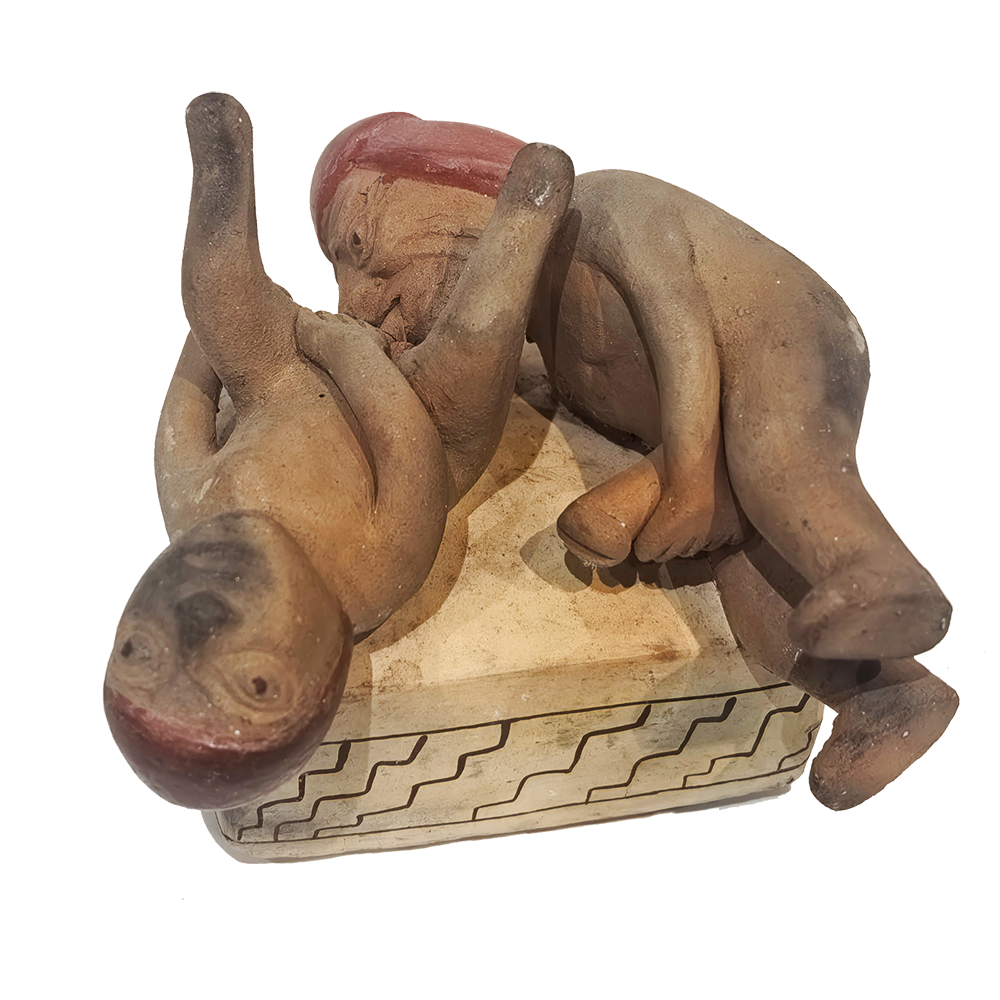
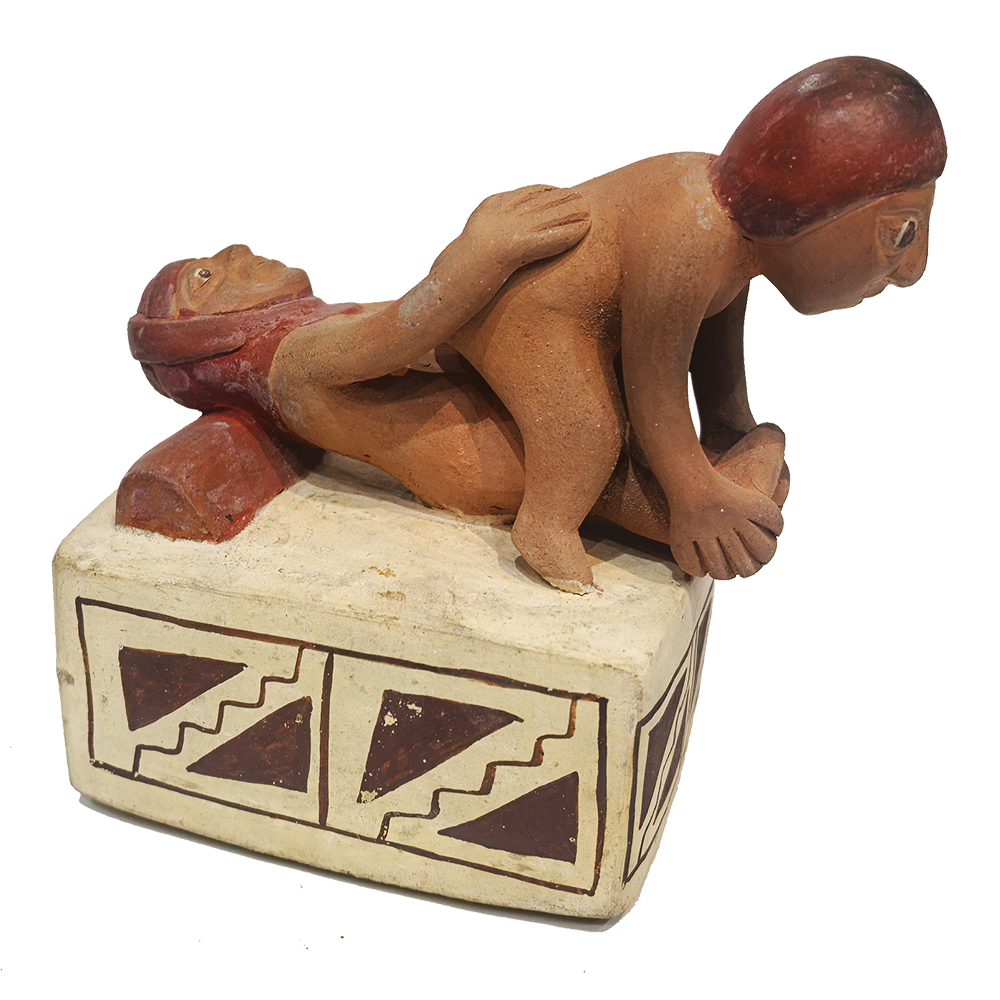
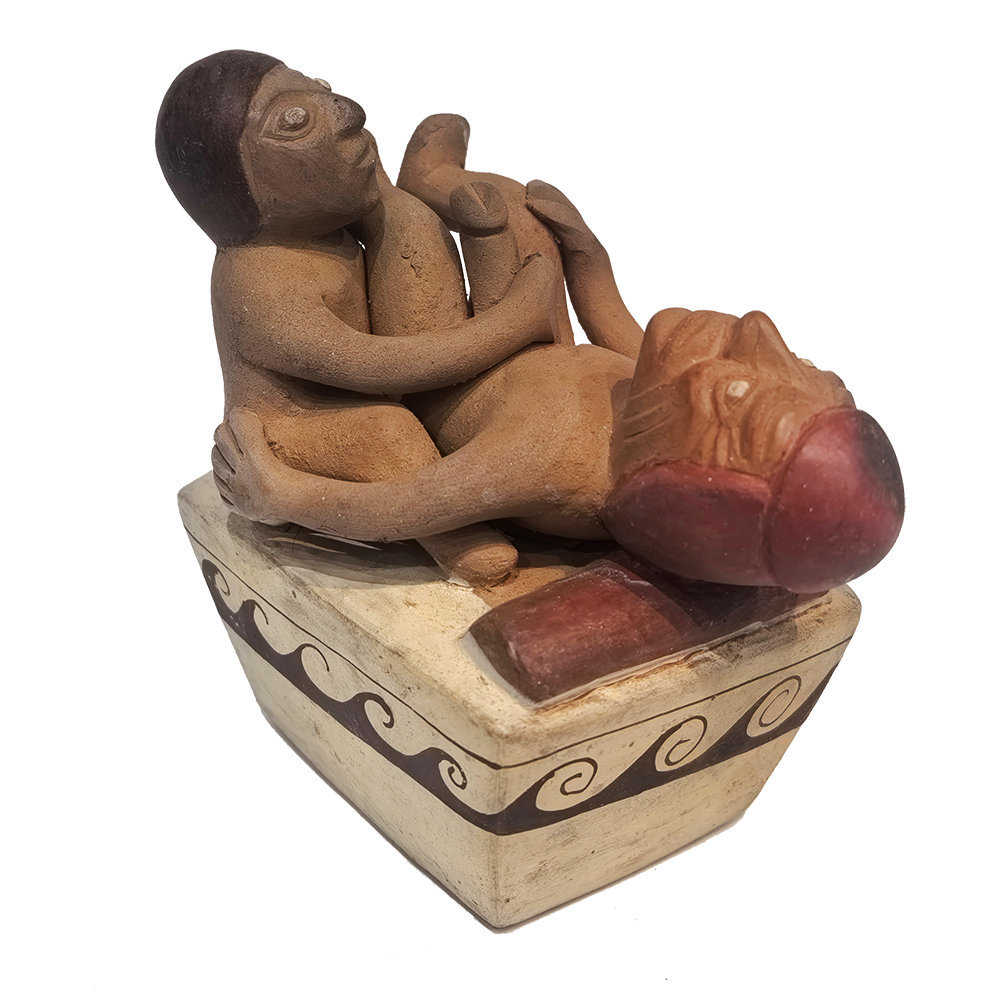
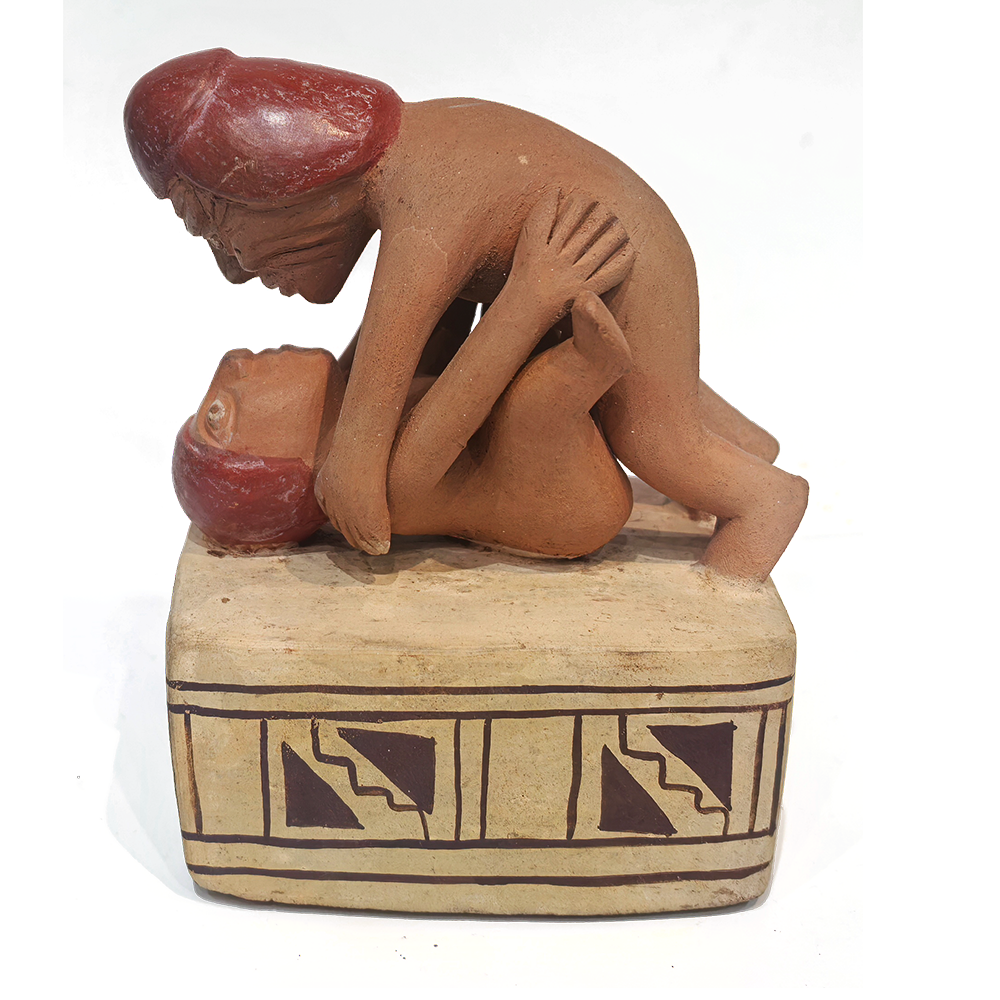
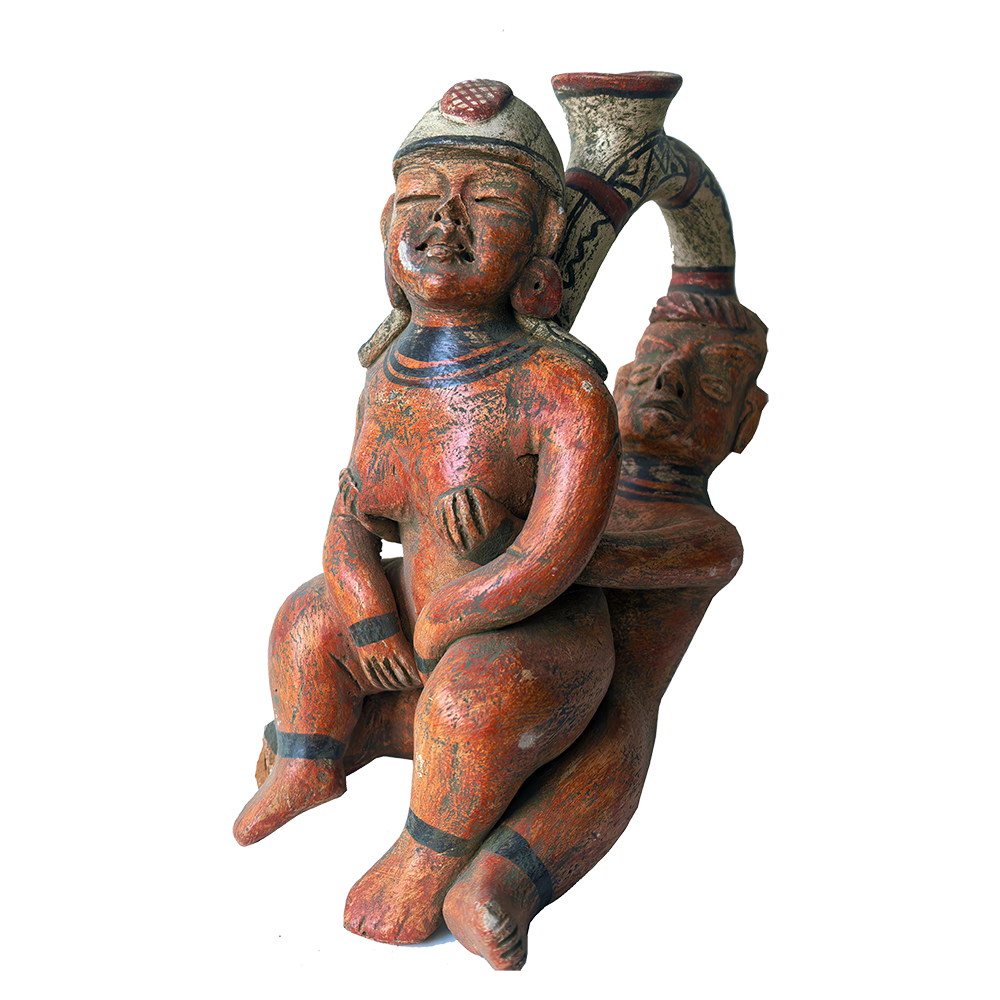
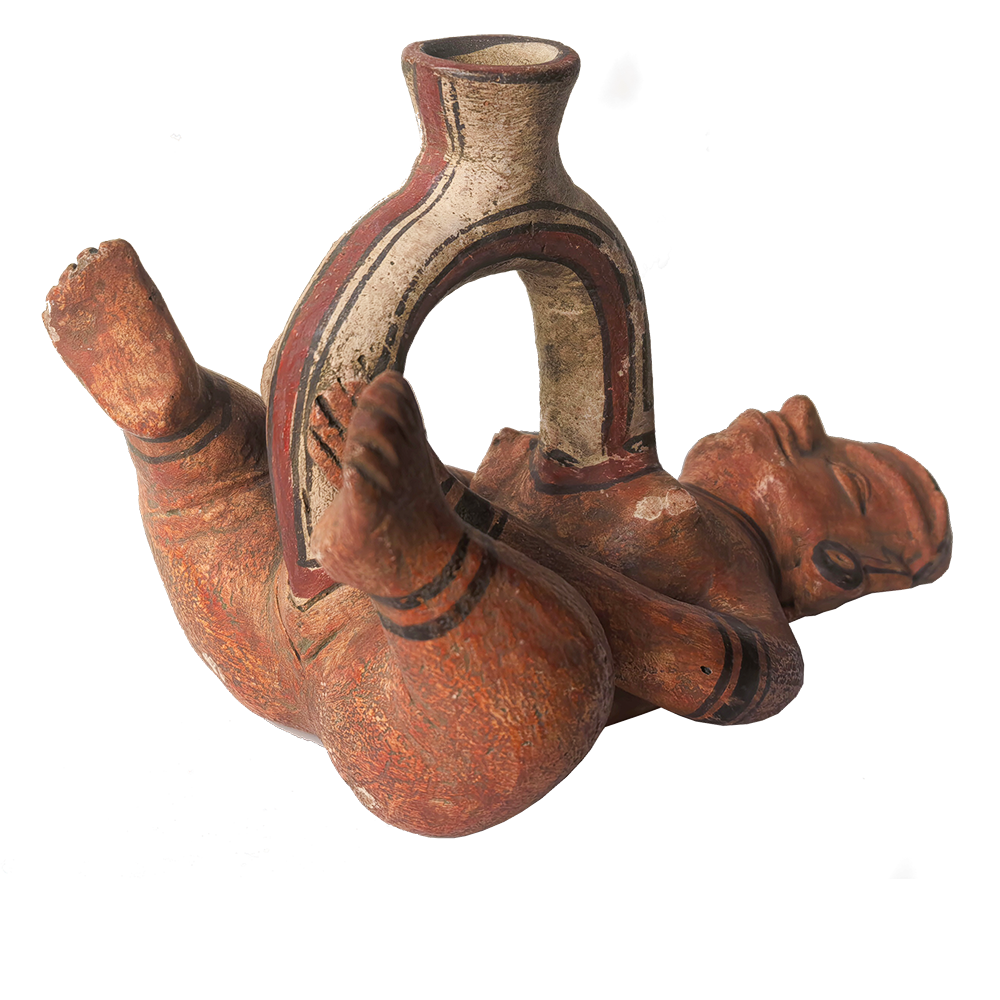
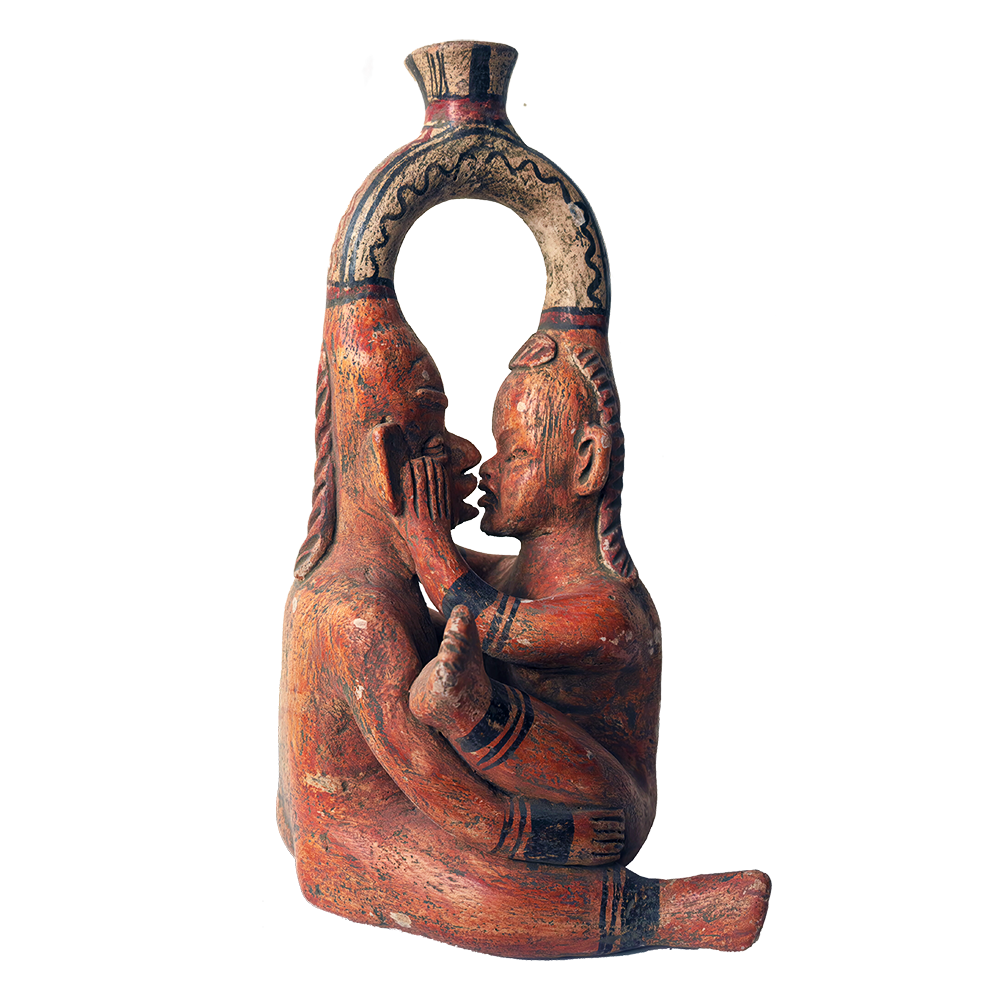
Shaft Tomb Tradition – Colima Style (300 BC – 400 AD)
The artworks from the Colima region are part of the ancient heritage of West Mexico associated with the shaft tomb culture. Crafted from polished red terracotta, these multi-figure domestic and social compositions reflect the profound importance that these communities placed on family bonds, rituals, and earthly pleasures, placing them inside tombs to support the deceased.
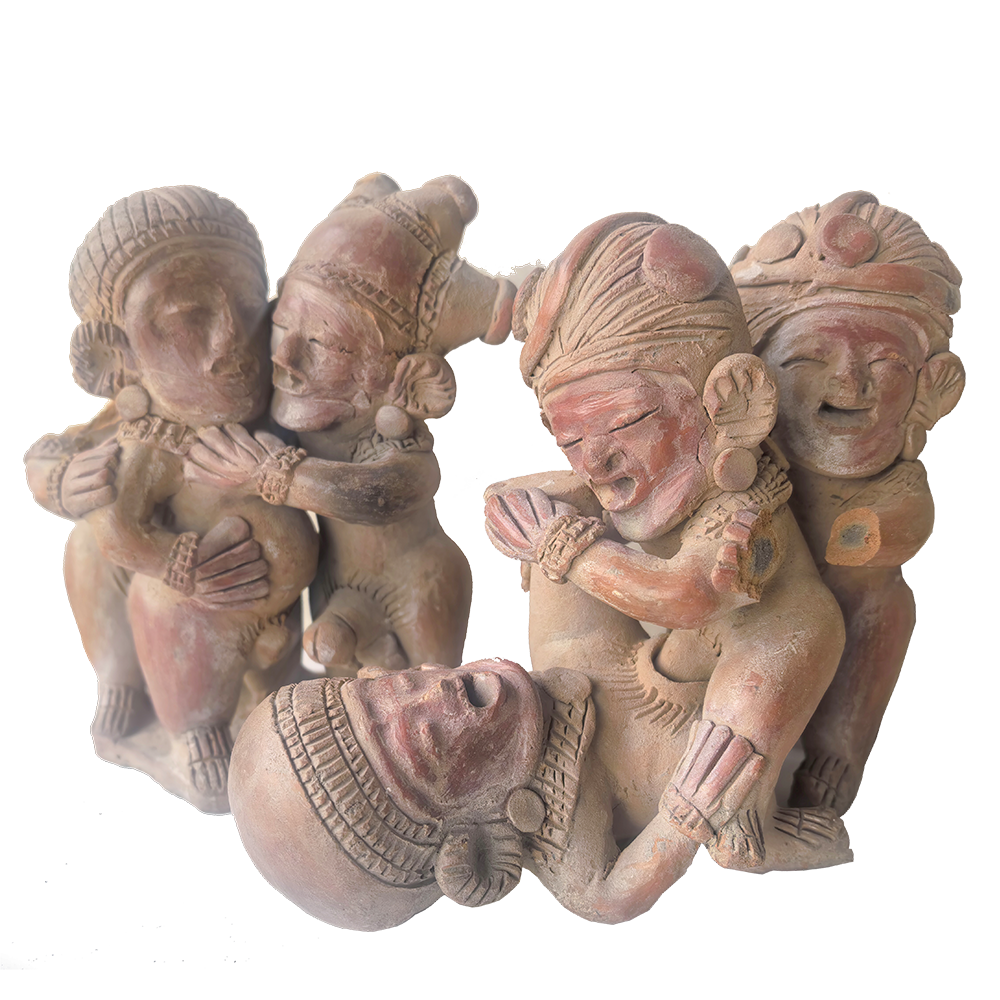
Roman Terracotta Artefacts and Lamps – Imperial Period (approx. 1st–4th Century AD)
The terracotta figurines and molded oil lamps of the Roman Empire reflect a vibrant tradition of utilitarian and votive craftsmanship that flourished throughout the Mediterranean provinces. Characterized by their expressive detailing and functional design, these artifacts frequently incorporate grotesque, satirical, or fertility-related motifs, offering a unique glimpse into the domestic rituals, popular culture, and apotropaic beliefs of Roman everyday life.
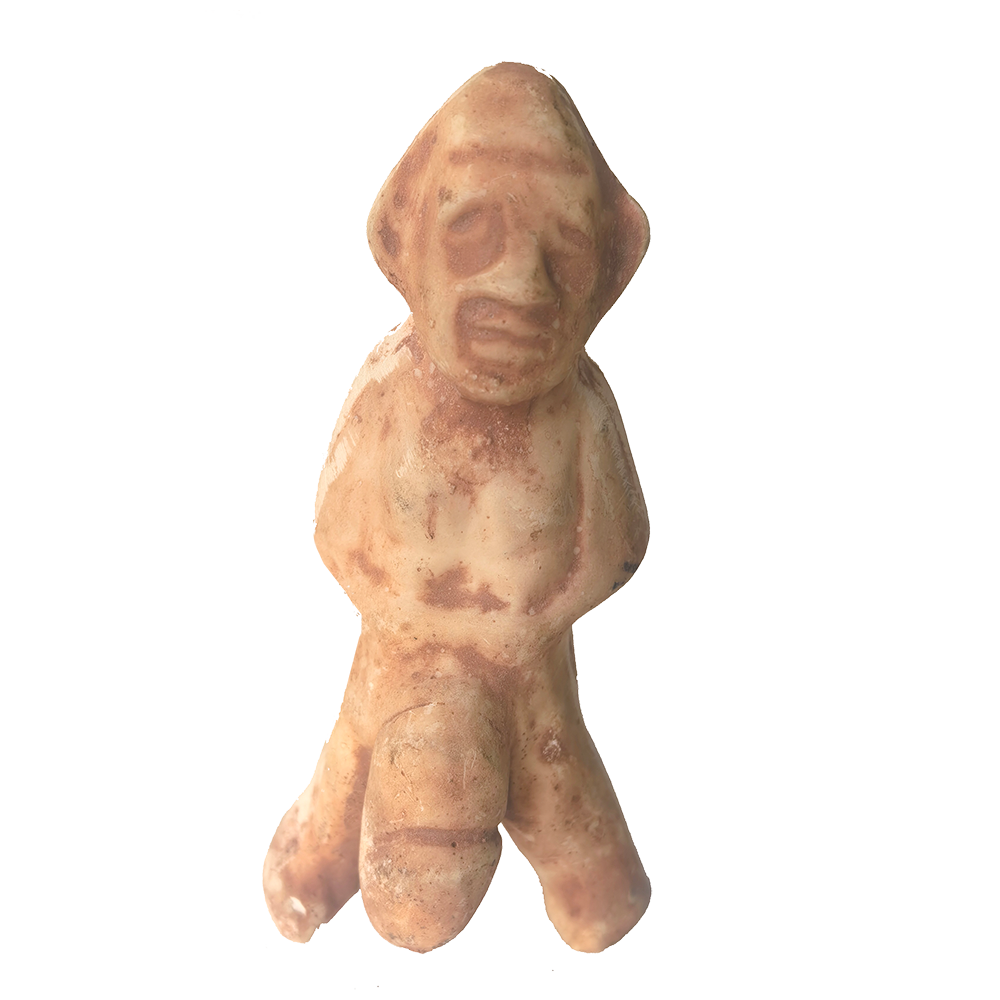
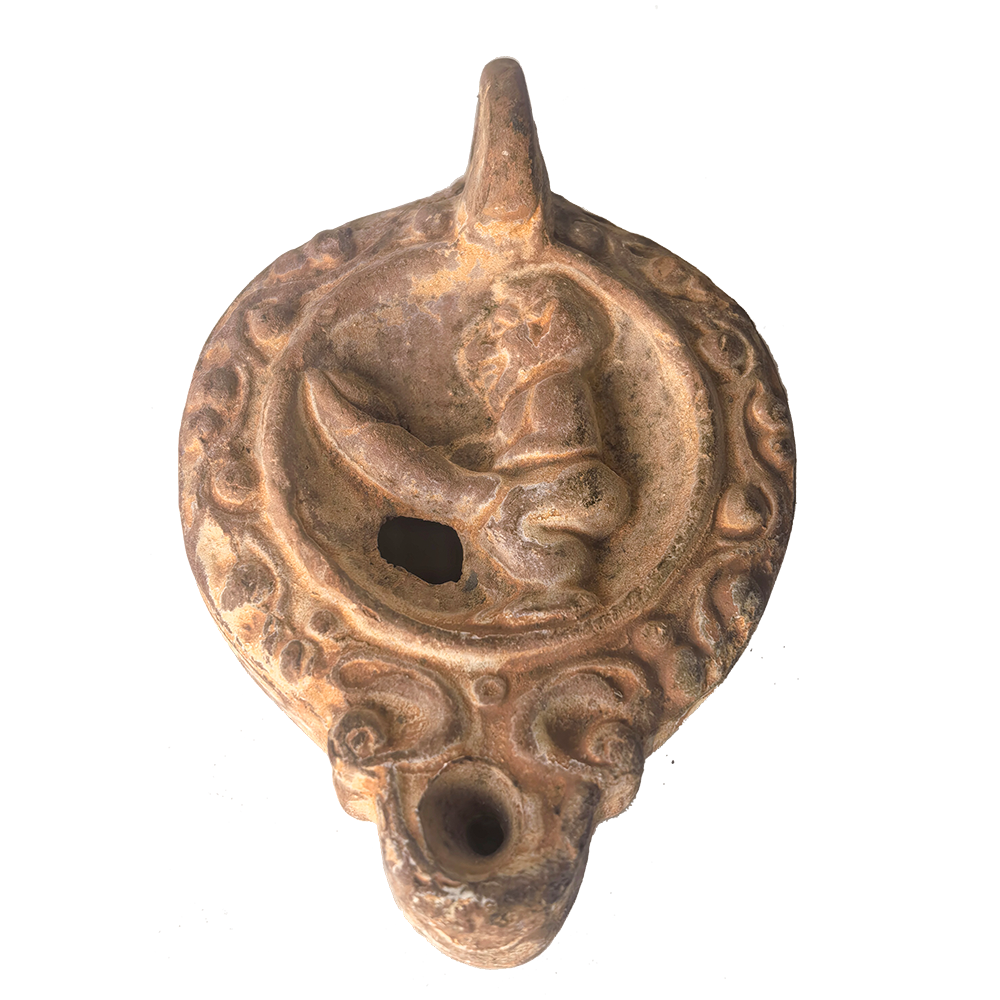
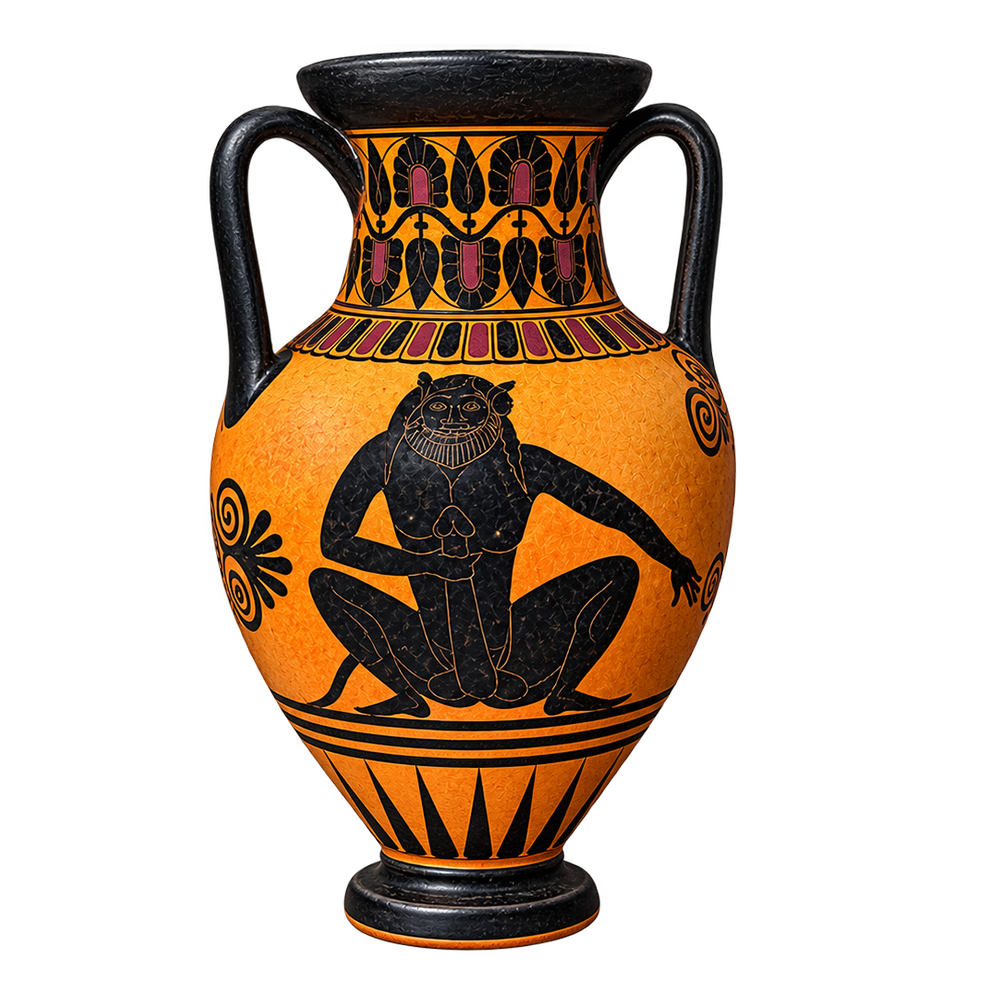
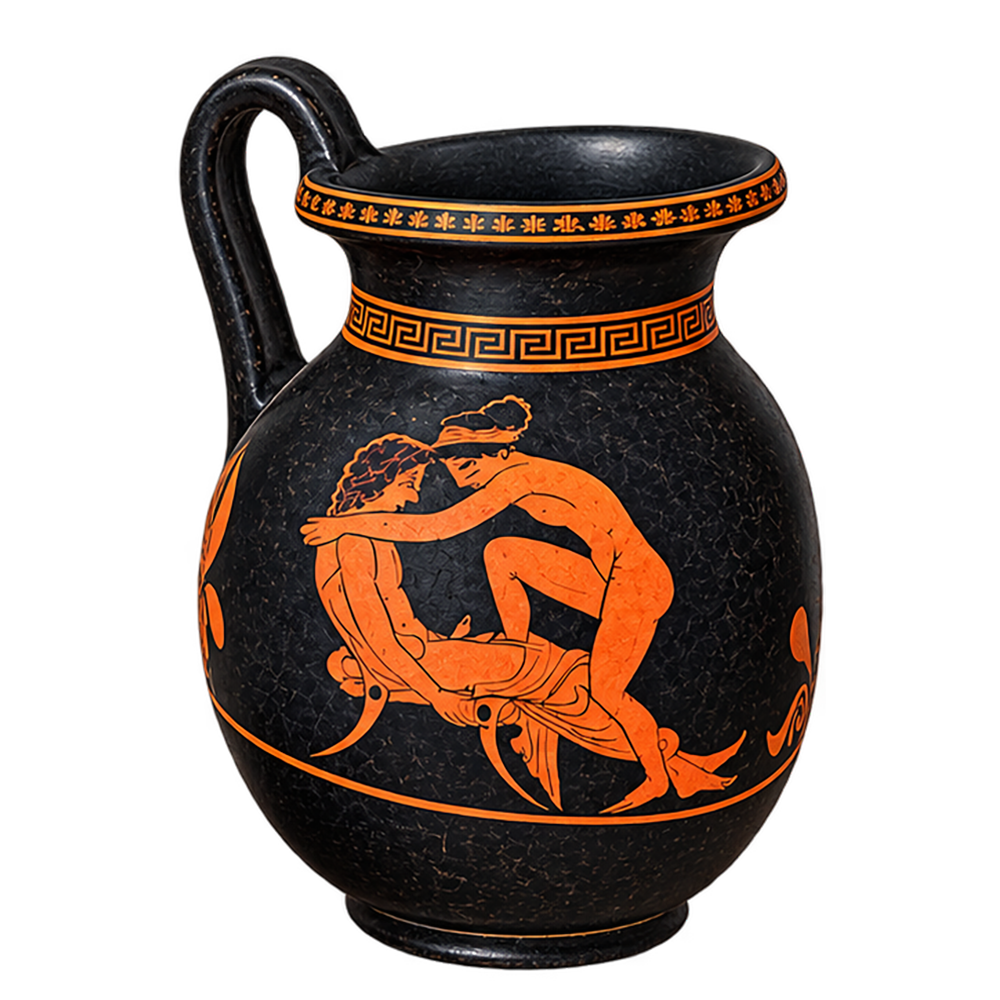
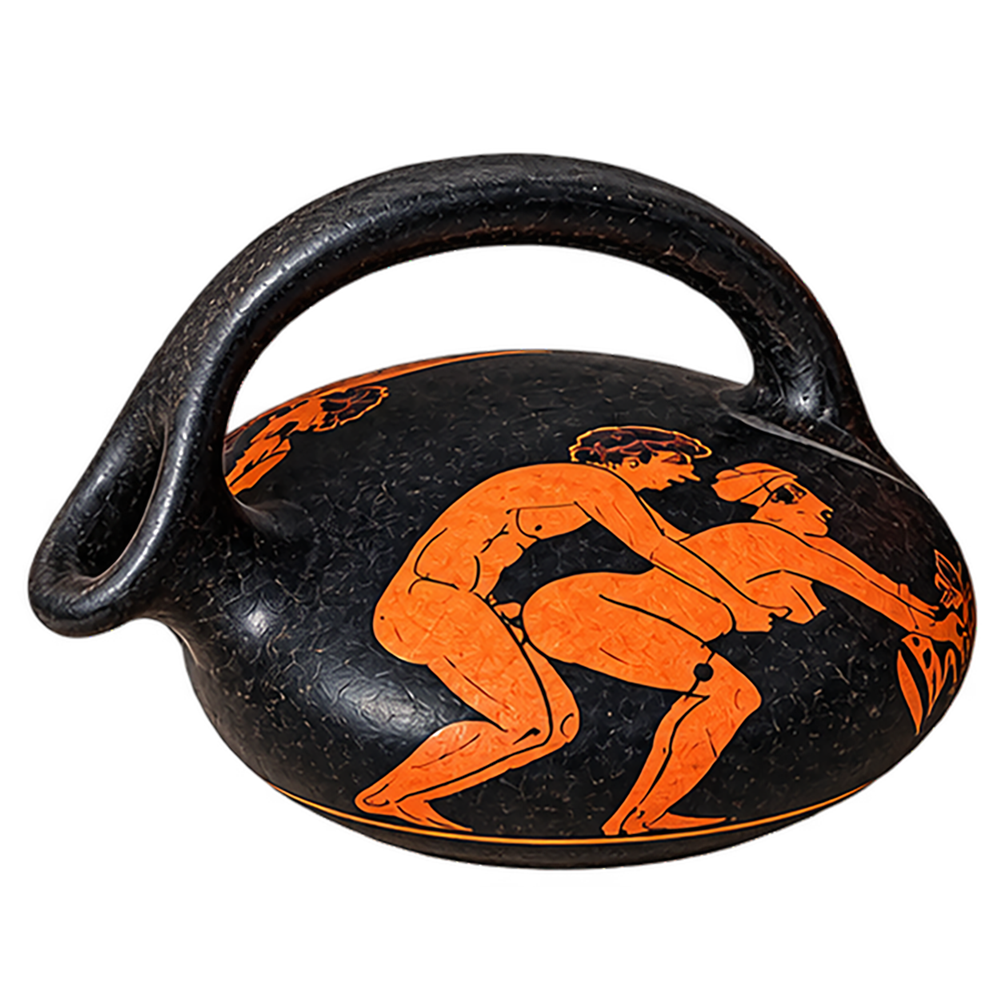
Greek Pottery – Classical & Hellenistic Period (approx. 6th–4th Century BC)
The pottery of ancient Greece represents one of the pinnacle achievements of Mediterranean ceramic art, masterfully developed through the black-figure and red-figure techniques primarily centered in Attica. Renowned for their sophisticated form and narrative precision, these vessels—including amphorae, hydriai, and askoi—intricately portray mythological tales, theatrical performances, and scenes from daily life, blending refined craftsmanship with rich cultural symbolism.
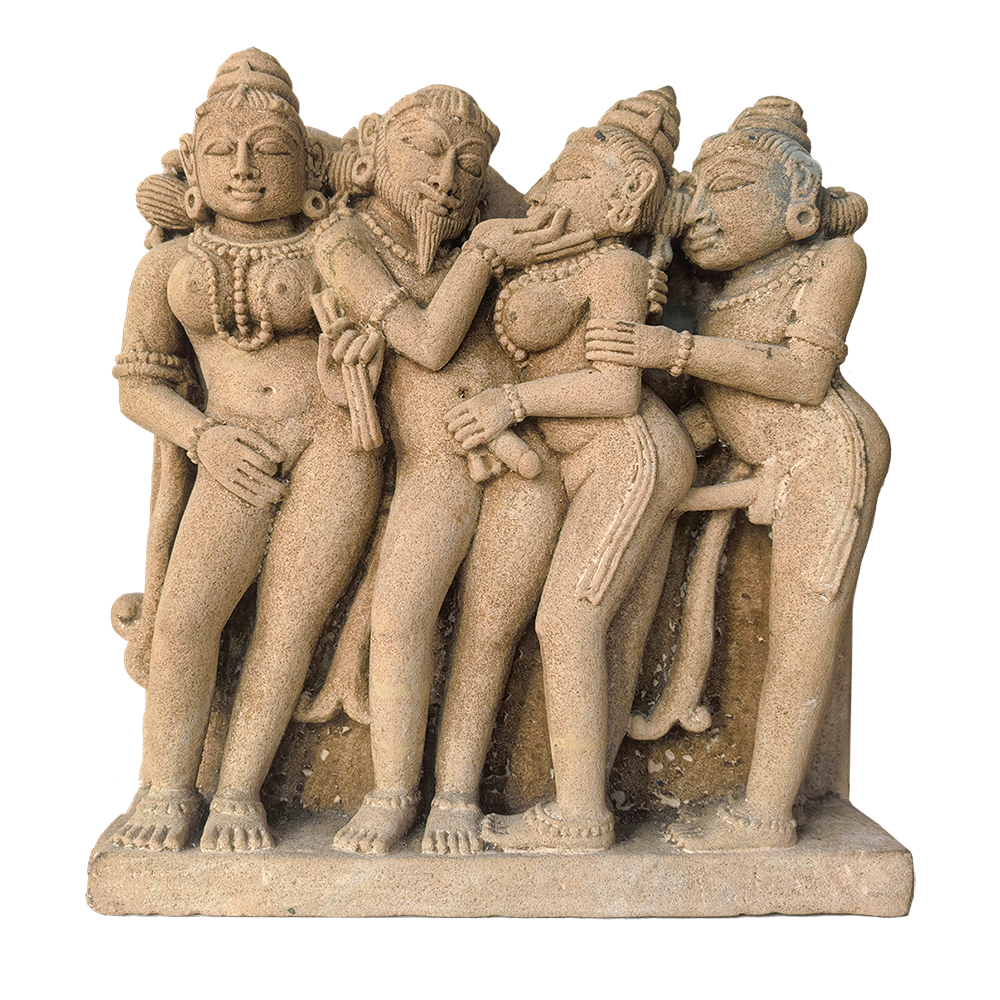
Indian Stone Sculpture – Medieval Period (approx. 900–1300 AD)
The medieval temple sculpture of India represents a sophisticated tradition of stonework that flourished across the subcontinent, famously exemplified by the architectural masterpieces of Khajuraho and Konark. Renowned for their high-relief technique, these carvings intricately portray human relationships, deities, and daily rituals, blending spiritual symbolism with explicit expressions of kama (sensual love) and fertility as fundamental aspects of the cosmic order.
Shaft Tomb Tradition – Jalisco Style (300 BC – 300 AD)
The Jalisco ceramic tradition is distinguished by its expressive figurative sculptures, elongated facial features, geometric body paint, and elaborate headdresses. Artisans of this school specialized in complex group and circular compositions depicting figures within community ceremonies and ritual settings.
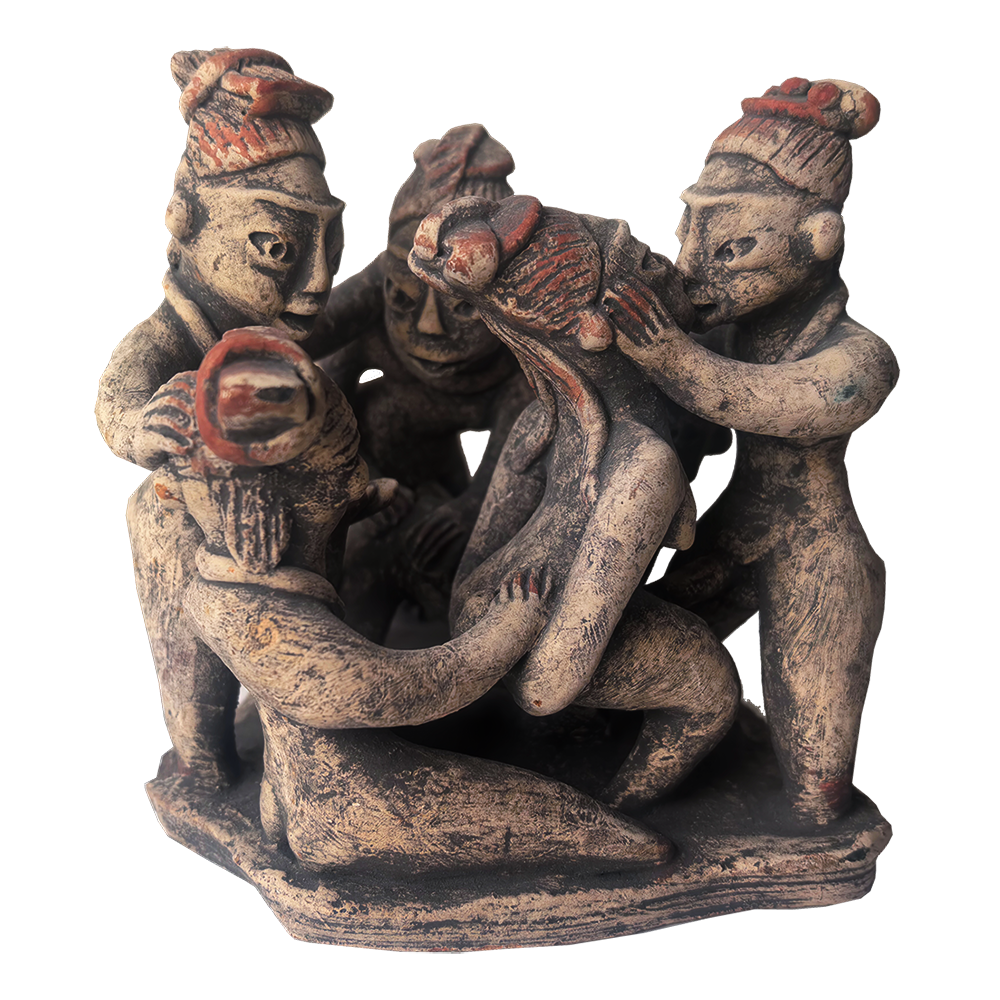
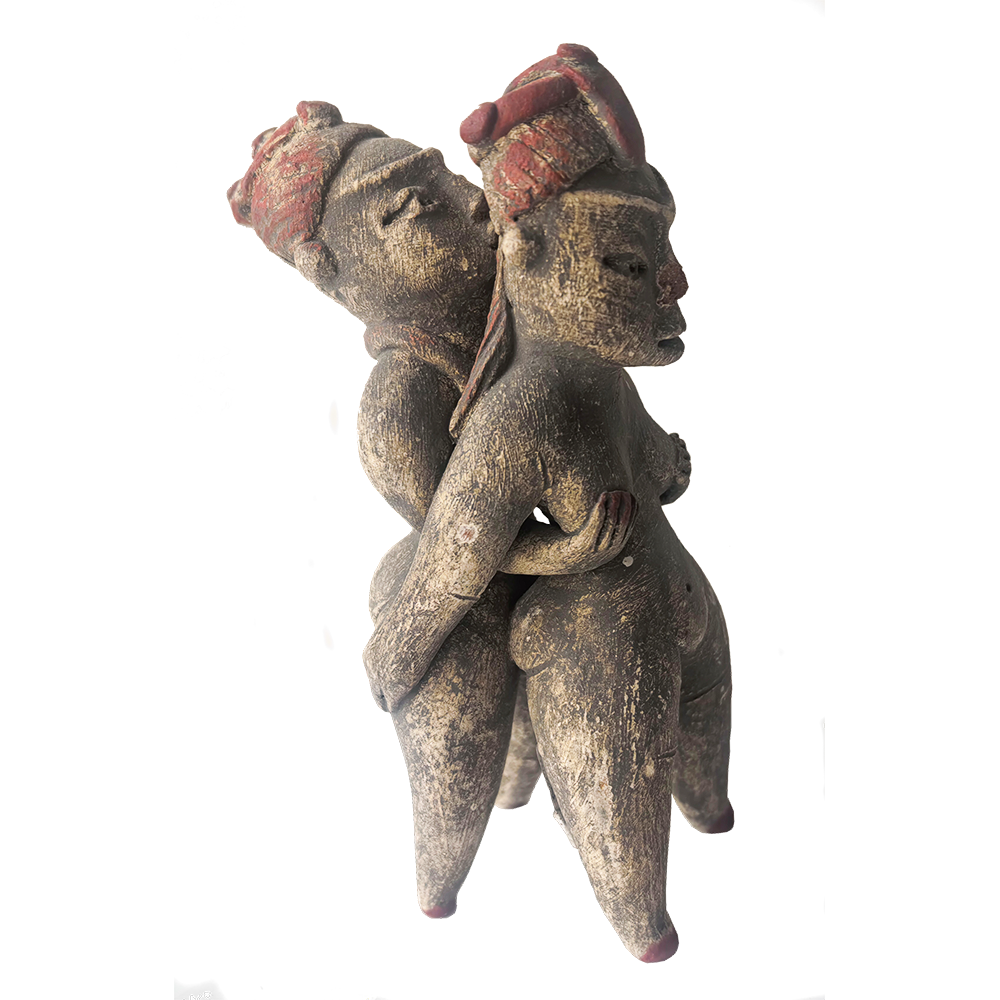
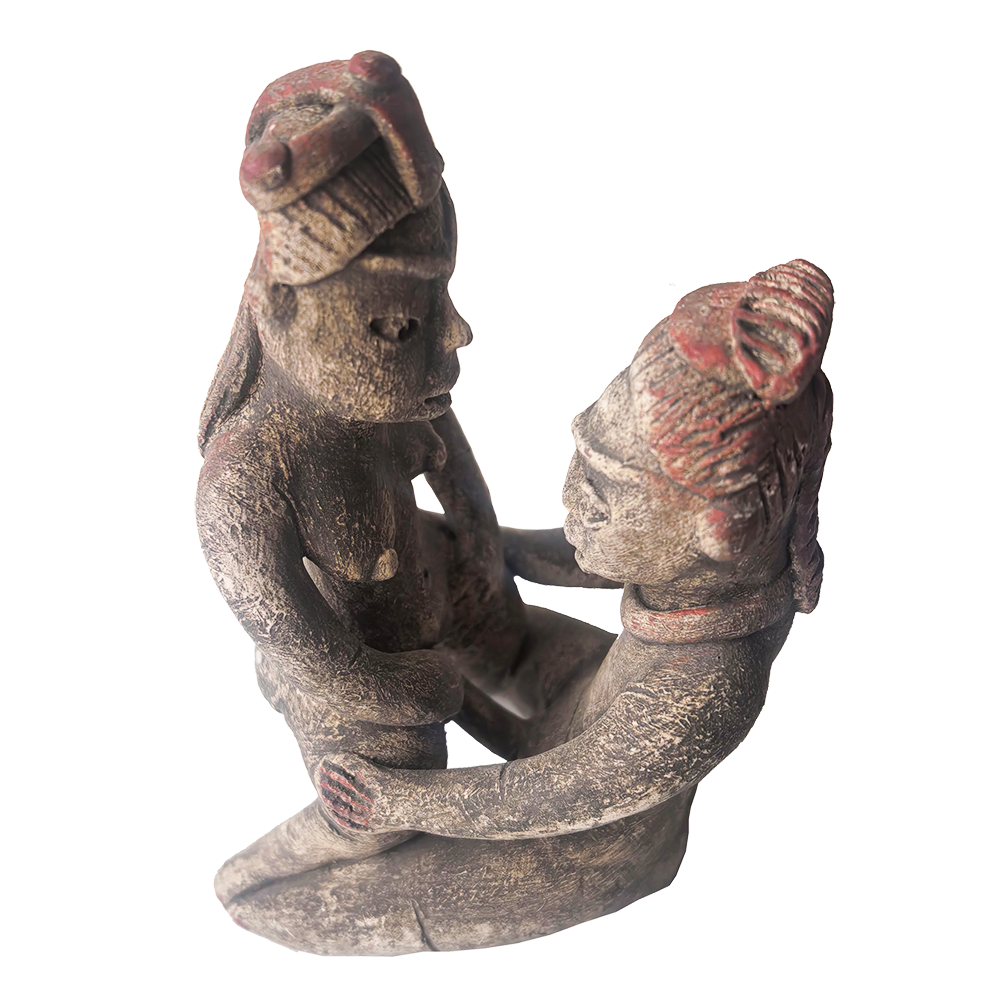
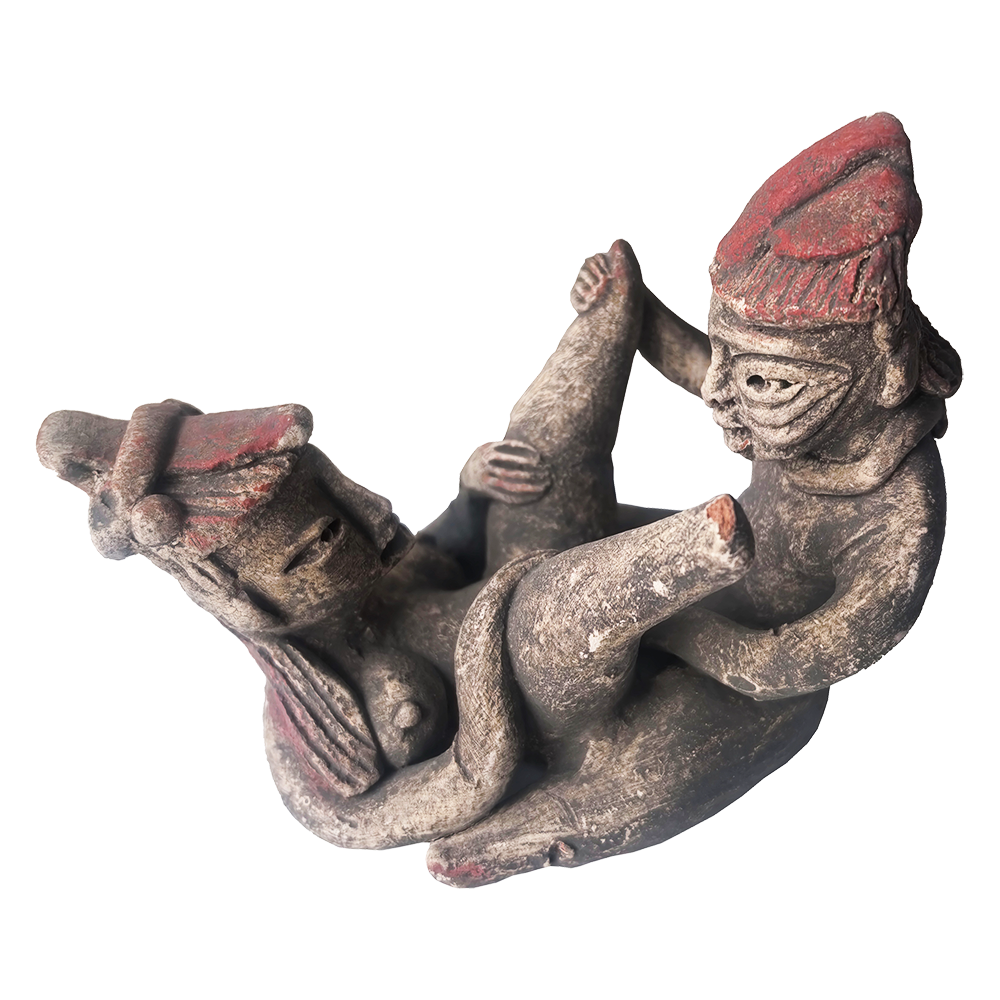
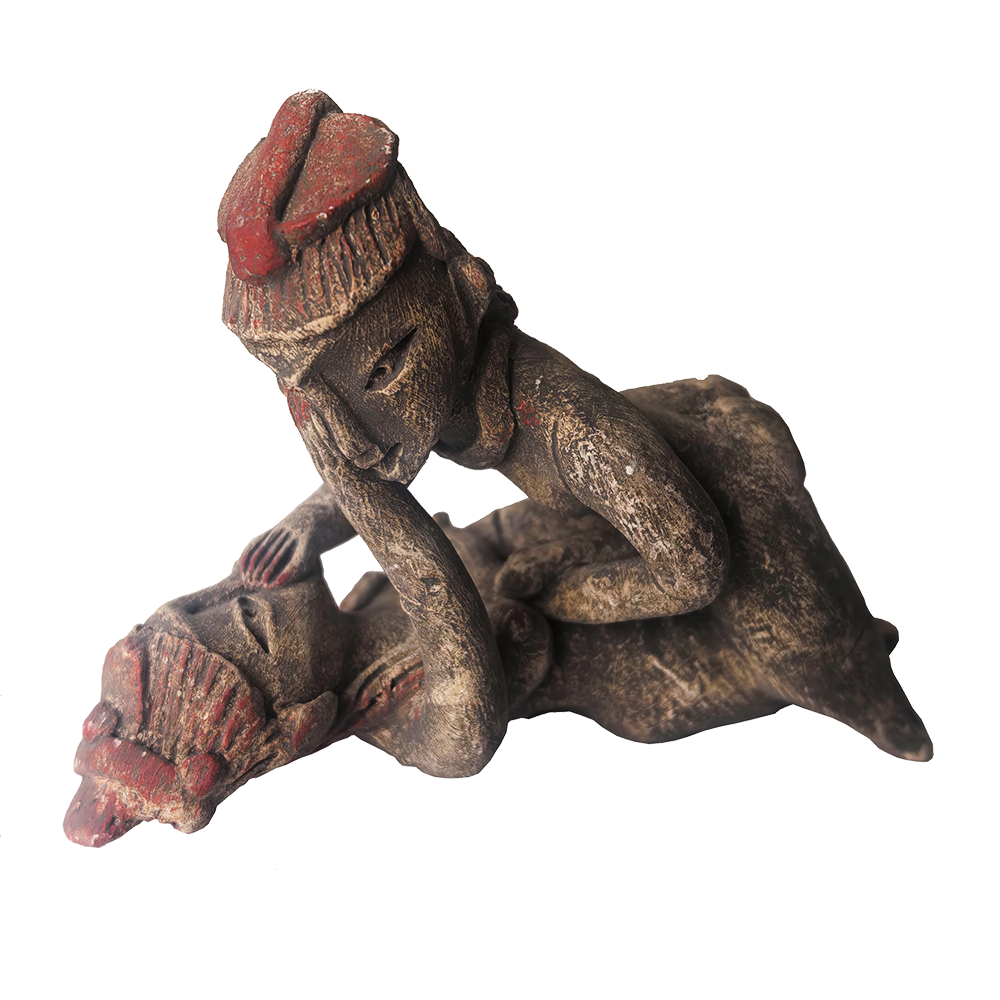
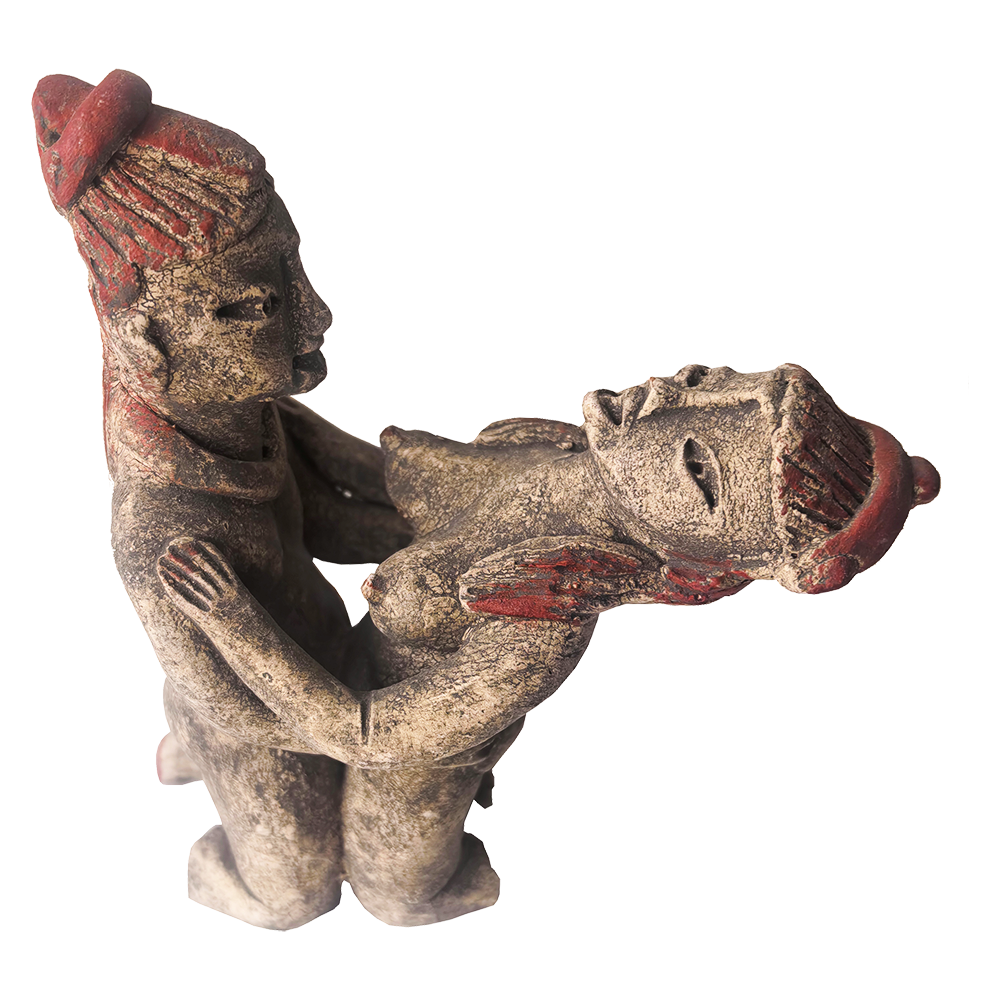
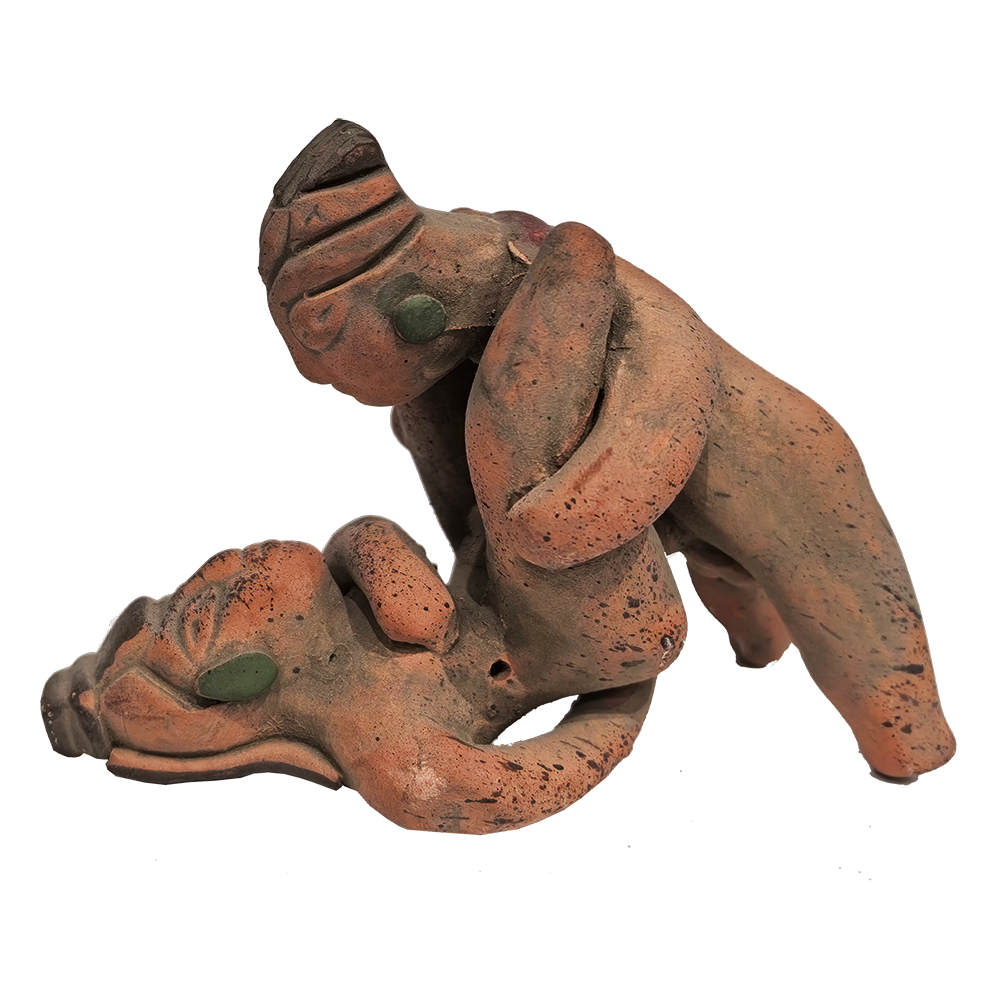
Shaft Tomb Tradition – Nayarit Style (100 BC – 250 AD)
Figures from the Nayarit culture are recognized by their dynamic postures, cream-and-red slip coloring, and detailed narrative elements. They frequently portray intimate human relationships, pairs, and scenes adorned with intricate jewelry and headdresses, placing an emphasis on human emotions and interpersonal connections beyond the scope of monumental formalism.
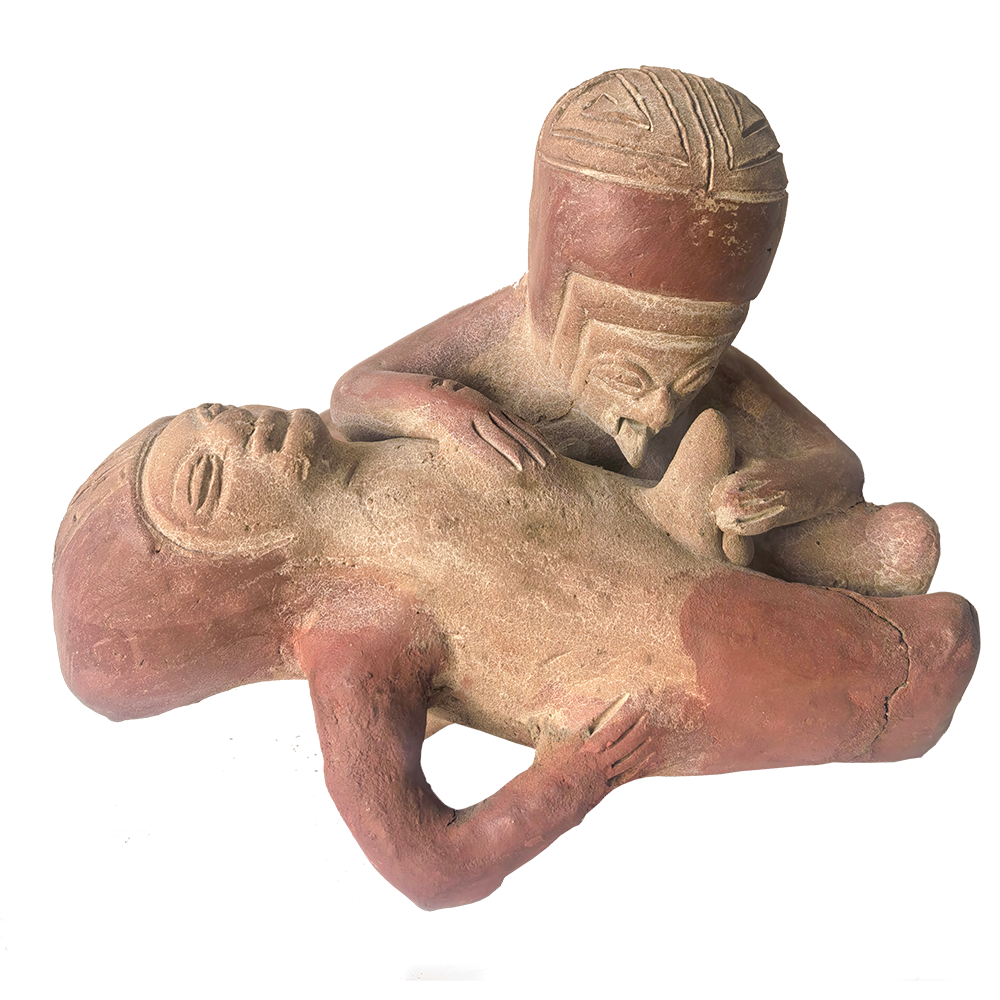
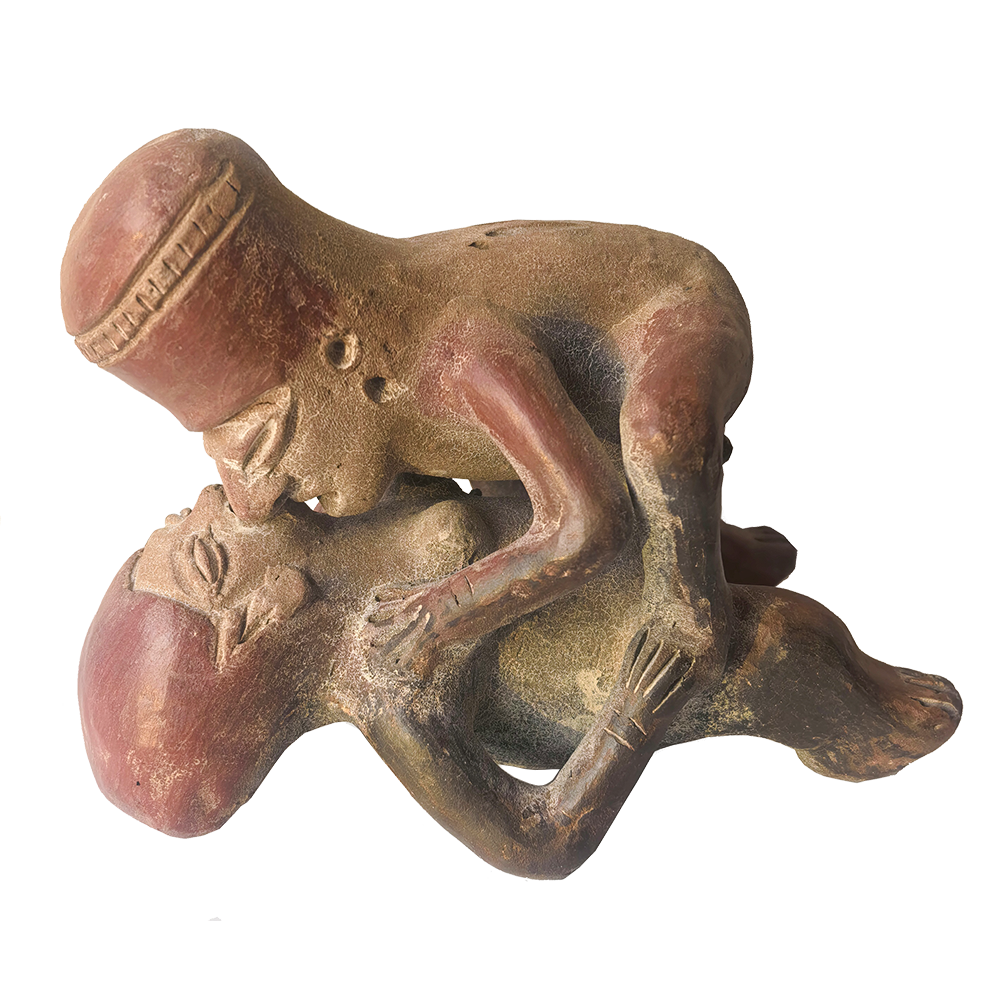
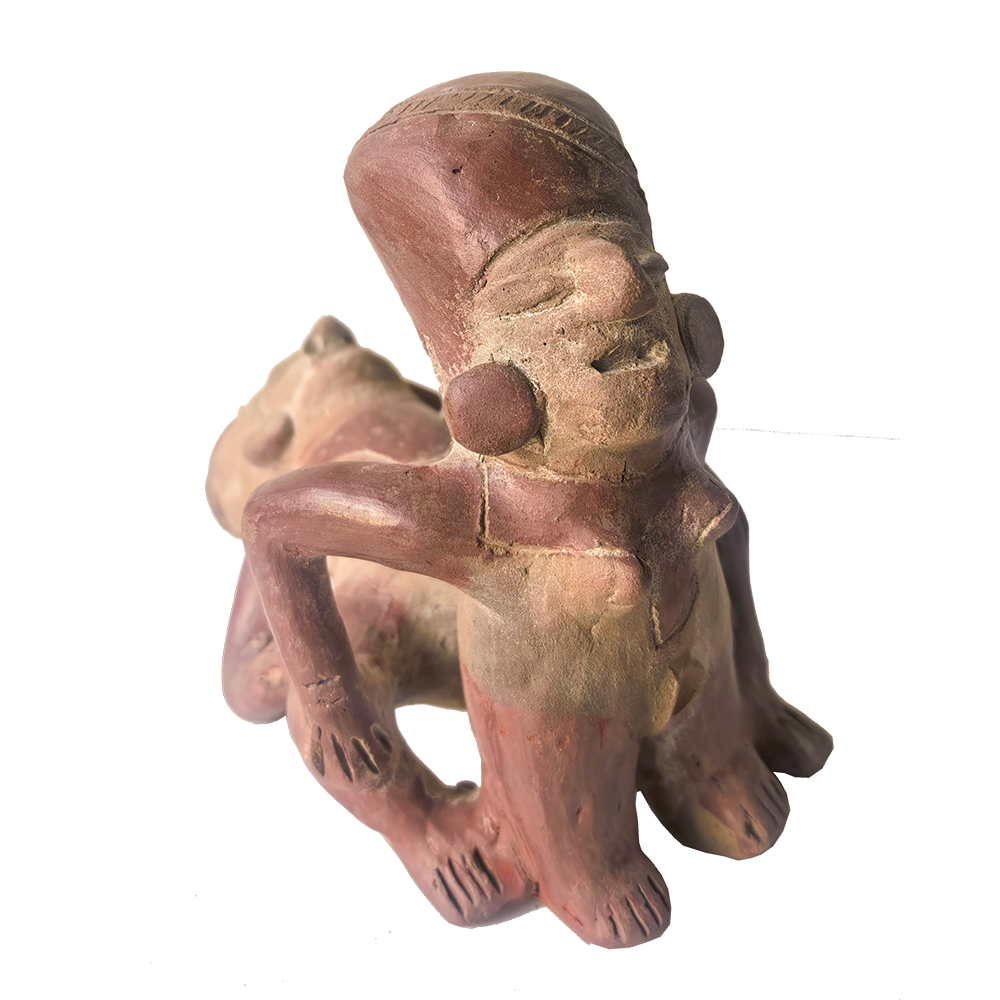
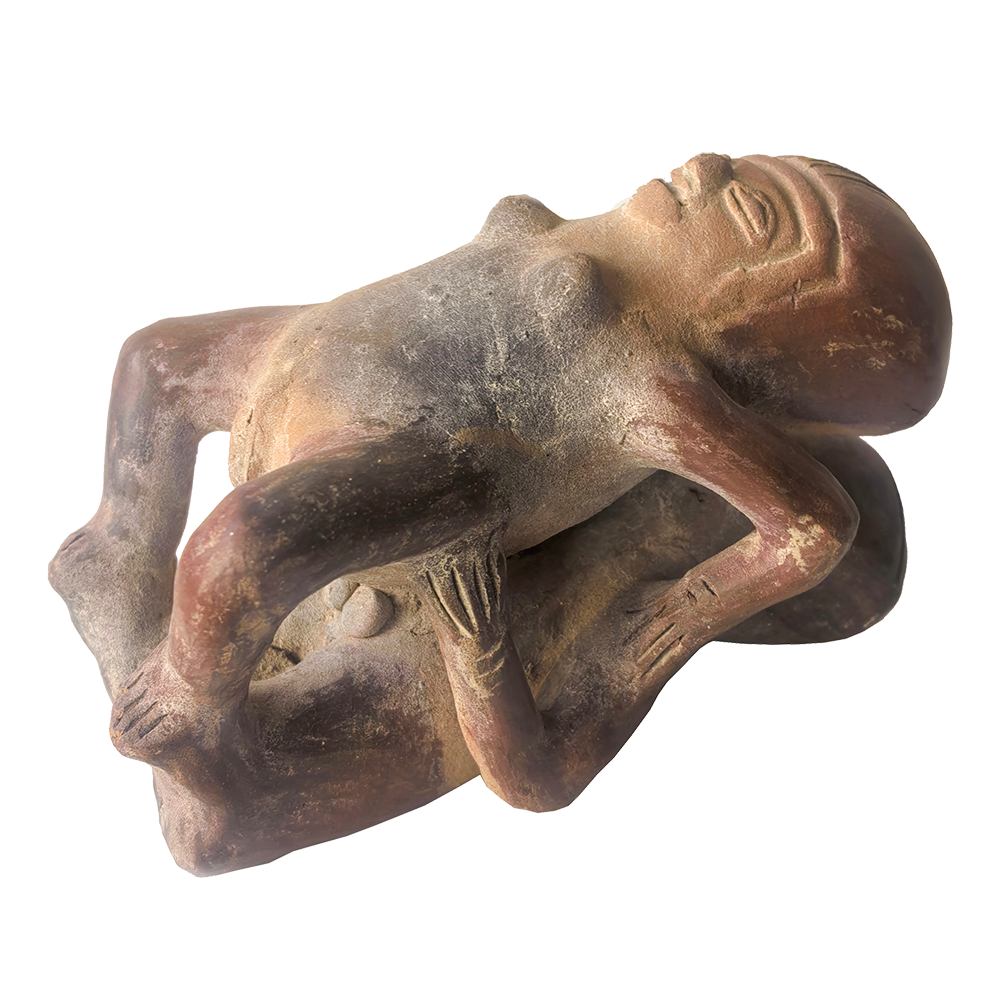
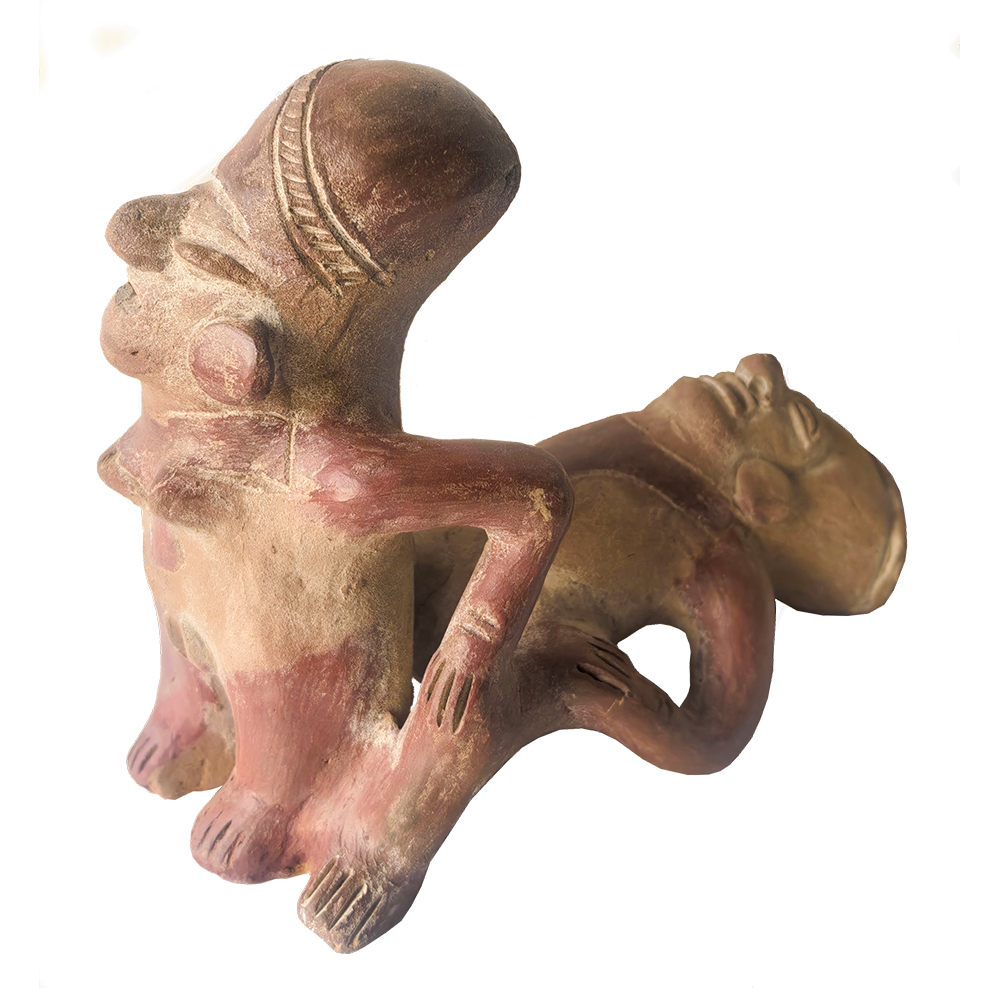
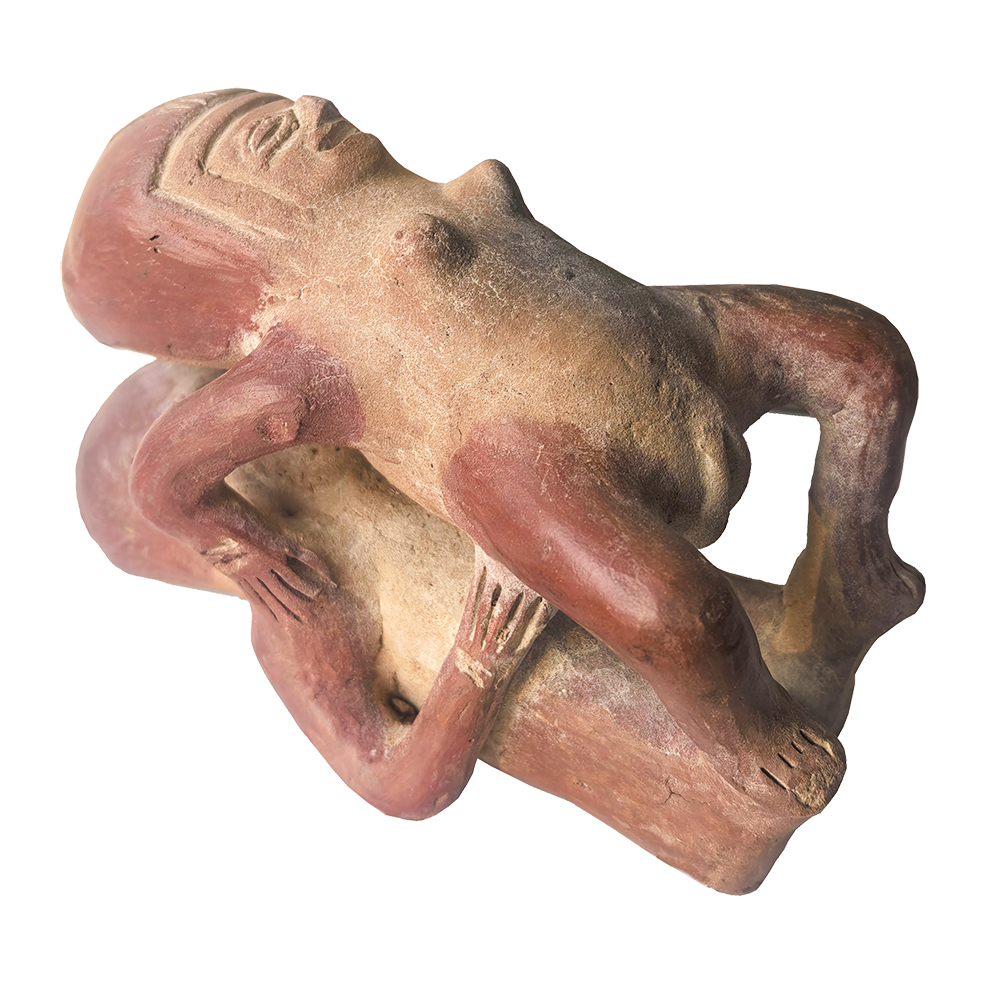
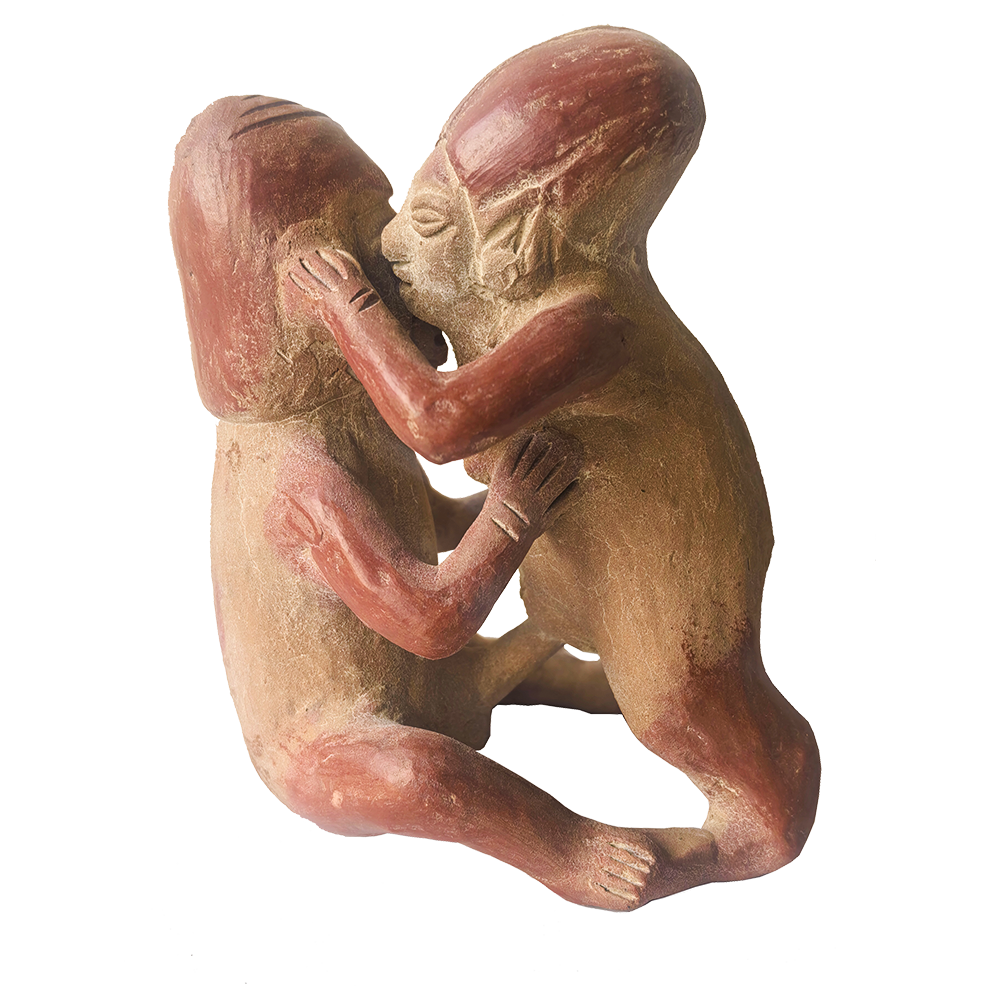
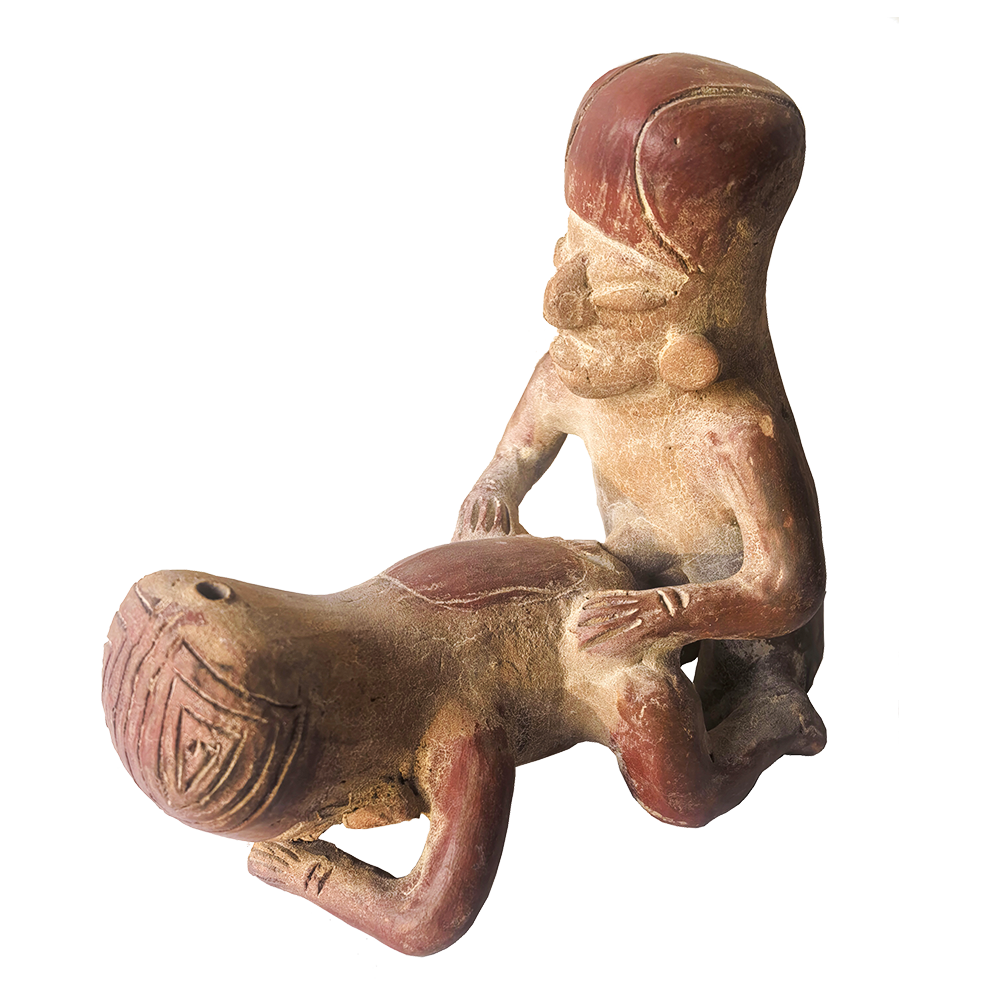
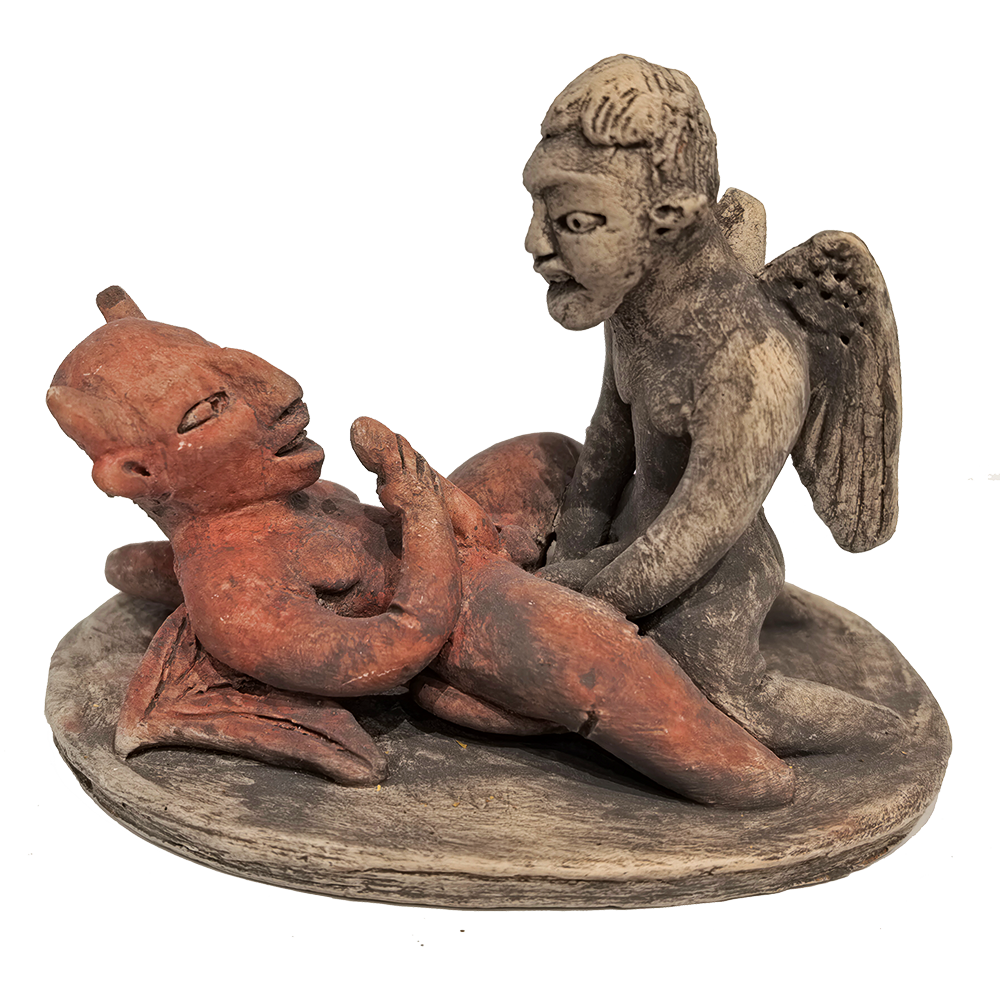
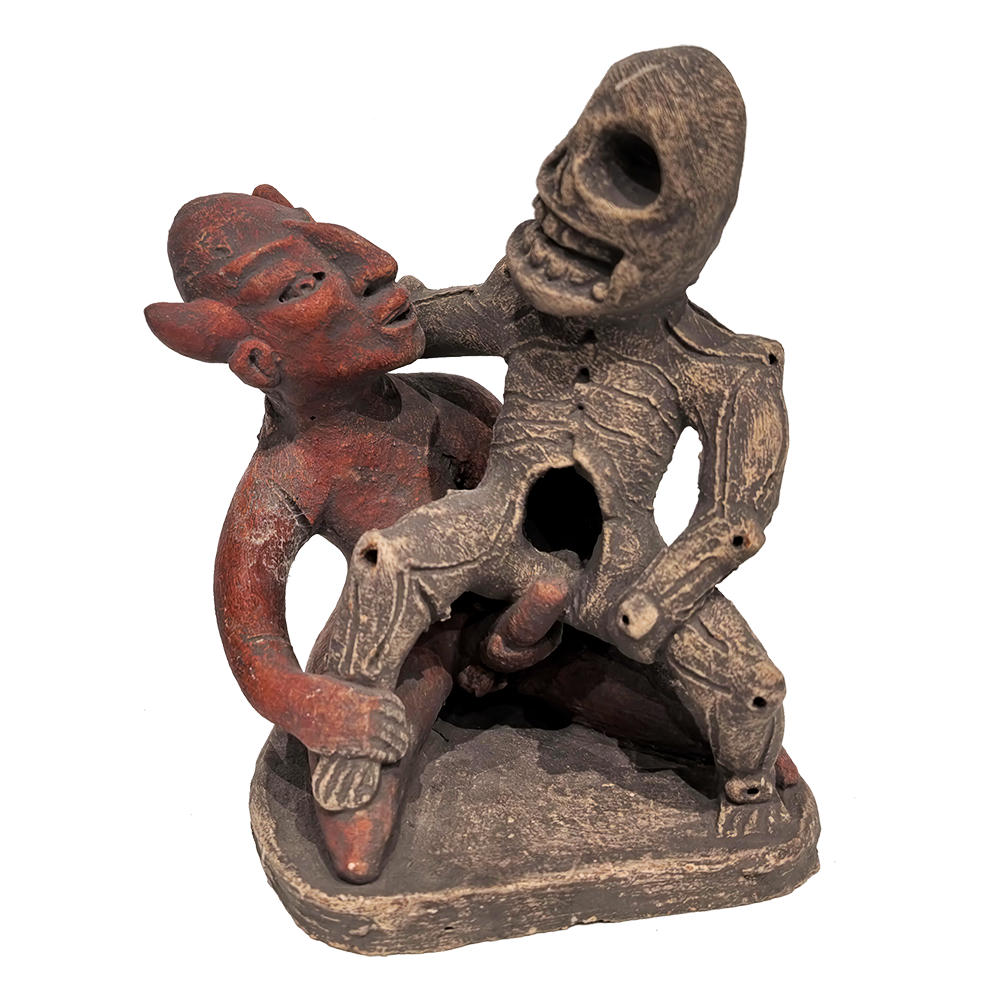
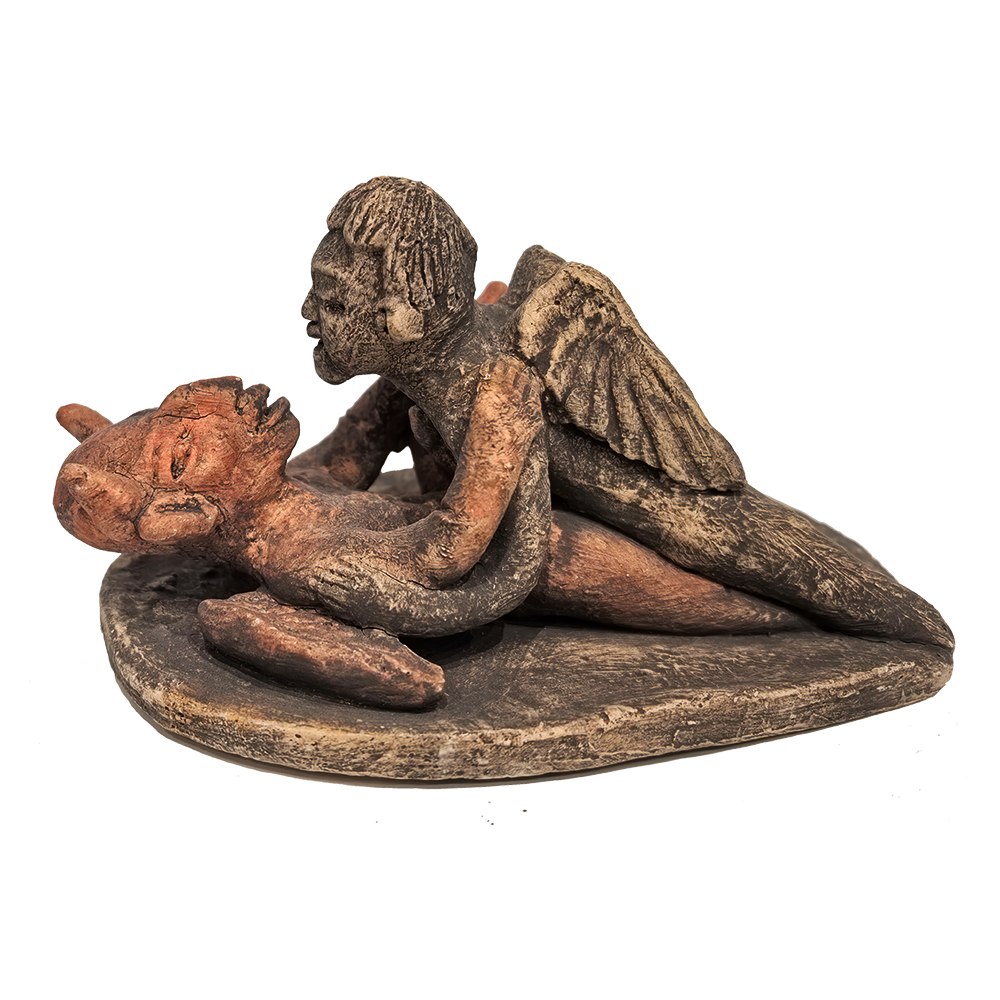
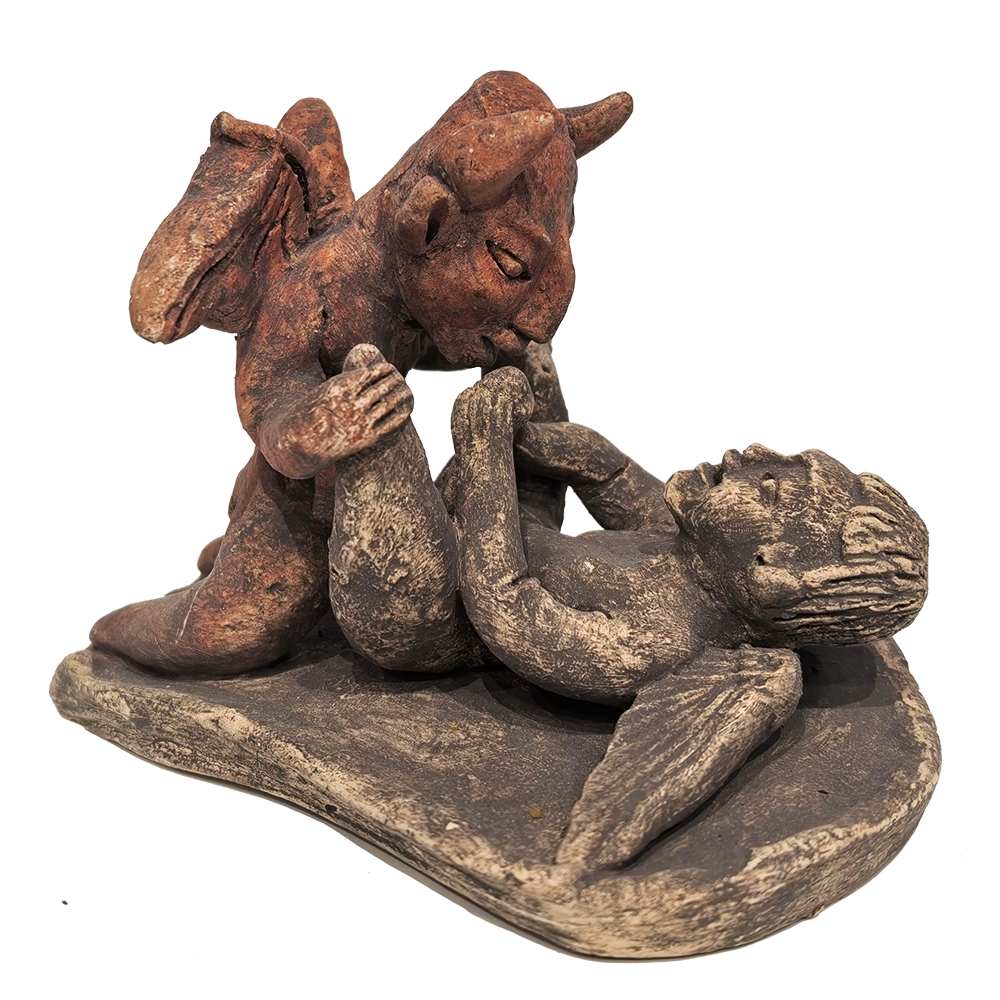
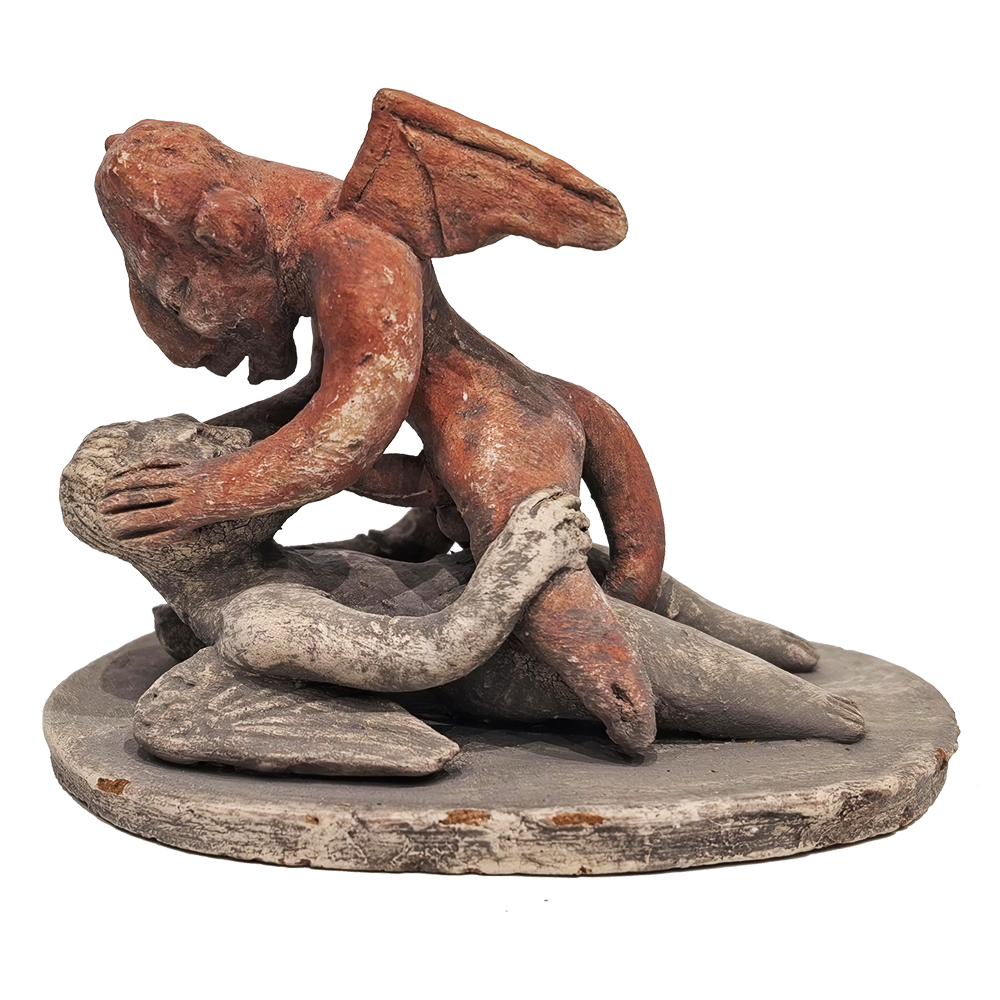
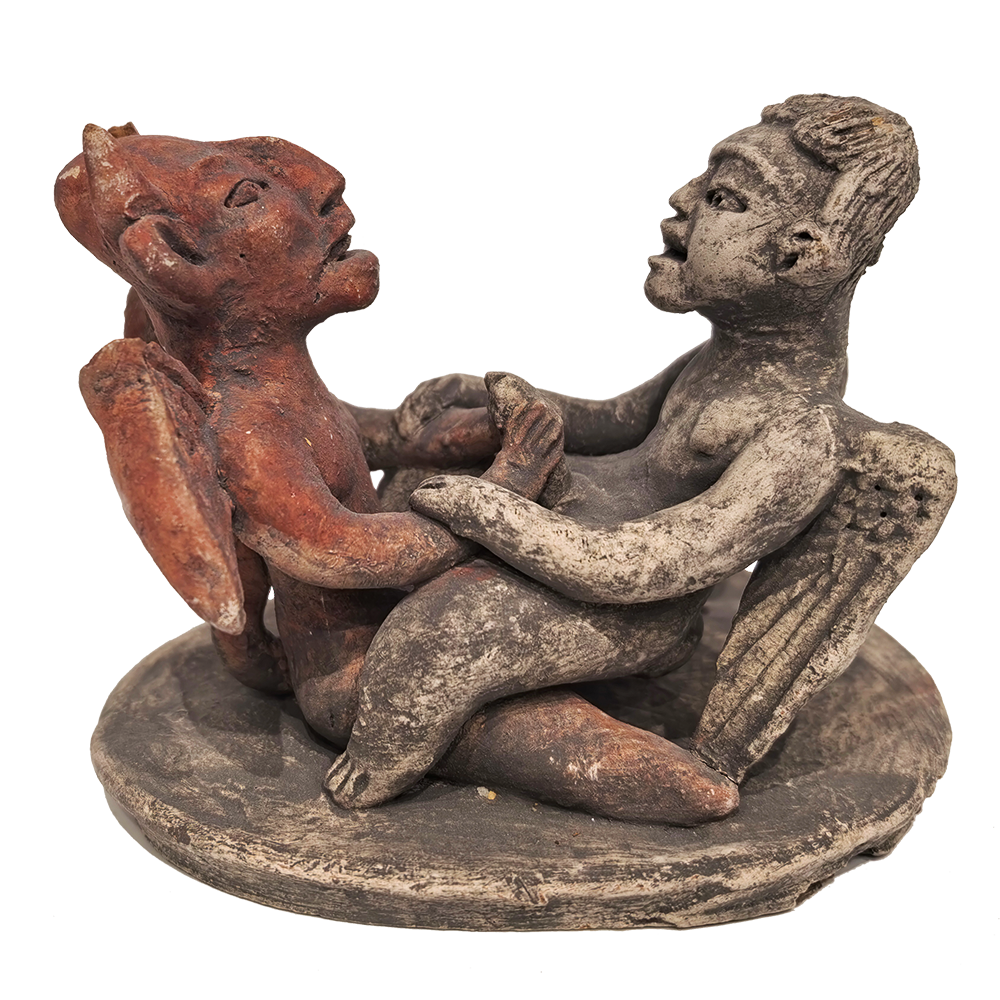
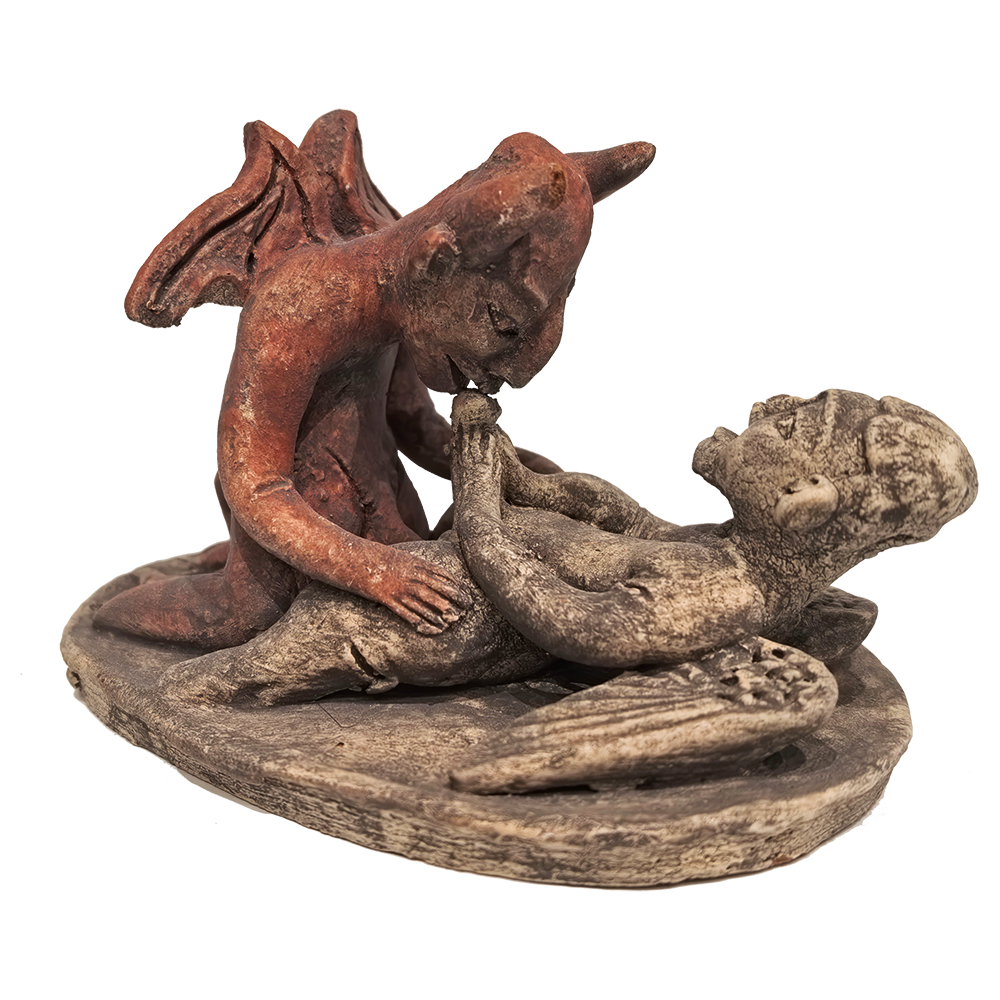
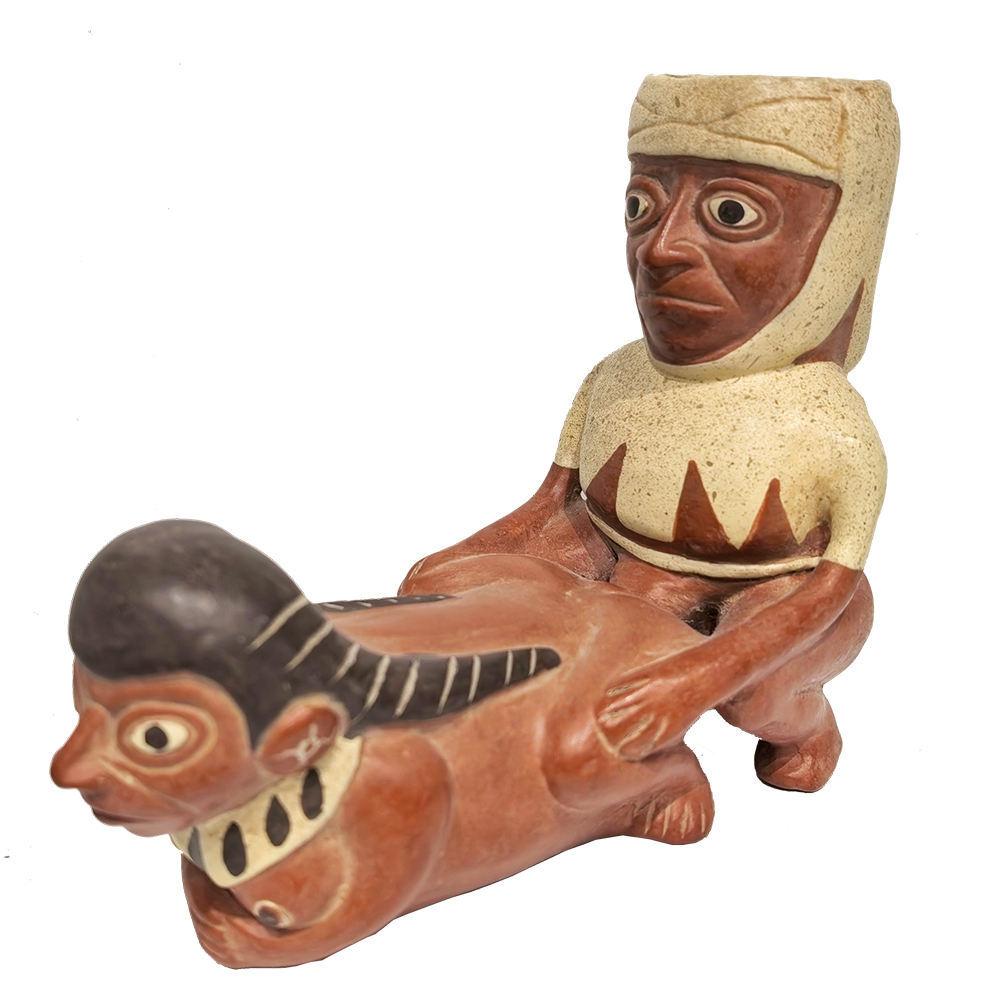
Mexican folk art
Mexican folk art inspired by the pre-Columbian traditions of Mesoamerica